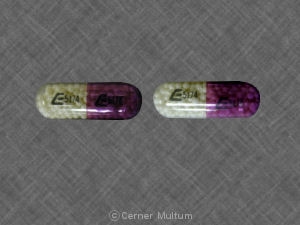
Nitrolingual contains nitroglycerin, a long-established molecule classified within a group of vasodilator, antianginal, and cardiac-therapy agents, and the brand is registered in 27 countries. The page you are reading is for international readers — travellers, expatriates, and family members — trying to understand what Nitrolingual is and how it relates to the nitroglycerin products they may already know from another country.
Nitroglycerin is used in the management of angina pectoris and in its prophylaxis, and appears in the registered indications for conditions including coronary heart disease, heart failure, and pulmonary hypertension. The structured indication list further down this page details the specific registered uses of Nitrolingual as recognised by national regulators in the markets where it is sold, alongside the pharmacological categories the active ingredient belongs to.
The countries where Nitrolingual is marketed cluster across Western and Central Europe and extend into the Middle East, North America, and parts of East Asia — examples include Germany, Canada, China, Egypt, and Hungary. Even within this footprint, nitroglycerin circulates in several different formulations intended for different clinical situations, and the specific products available locally vary considerably from one regulatory regime to another. A pharmacist in the destination country is generally the right person to confirm what is on the shelf and under which brand.
Other nitroglycerin-containing products are sold worldwide under a range of brand names, and the broader vasodilator and antianginal category is well represented internationally under other molecules as well. Anyone using Nitrolingual, considering it, or trying to identify a local equivalent while abroad should work with a healthcare provider on that decision rather than making the substitution at the counter.