Home / Medicine / Clarityne

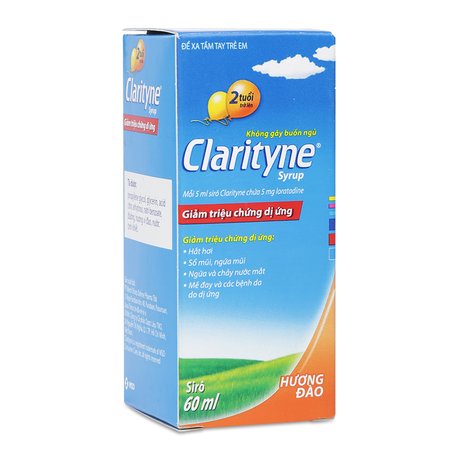
Clarityne

Clarityne contains loratadine, a systemic H1-antihistamine indicated in the management of allergic conditions, and is registered in 23 countries across several continents. The brand is one of the more recognisable loratadine-based products on the international market, although it shares shelf space with many other brand names built around the same molecule.

Loratadine is used for the relief of allergic rhinitis, hay fever, hives, and allergic conjunctivitis, as well as symptoms associated with allergic reactions more broadly. It is classified within the second-generation antihistamine category — sometimes additionally described as antiallergic, antipruritic, and antiexudative — and is one of the most widely prescribed and dispensed molecules in this therapy area worldwide. The structured indication list on this page records each registered use across the markets where Clarityne is authorised.

The 23-country footprint includes a notable cluster in Latin America (Argentina, Colombia, Ecuador, Costa Rica, El Salvador, Guatemala, Honduras, the Dominican Republic), several Asian markets such as China, Malaysia, Hong Kong, and Bangladesh, and a European presence including France, Greece, and Cyprus. Travellers moving between these regions may encounter Clarityne under the same brand, while in other countries the same active ingredient is typically sold under different brand names — both prescription and over-the-counter, depending on local regulation.

Other H1-antihistamines exist globally as well, although molecules within the class differ in their clinical profile and are not directly interchangeable without guidance. A local pharmacist can identify a loratadine product or comparable antihistamine that is appropriate in the destination market. Any decision to begin, change, or replace Clarityne is best made together with a healthcare provider familiar with the patient's history.
How does this drug class actually work?
Read the plain-language explainer in Pharmacology Academy (H1 antihistamines) →

Frequently asked questions

What conditions does Clarityne treat?

Clarityne is prescribed for allergic conditions including allergic rhinitis, hay fever, hives, and allergic conjunctivitis, as well as symptoms associated with allergic reactions such as fever in that context. As an H1-antihistamine, it is used to manage symptoms driven by histamine release. The structured indication block further down this page lists each registered use as recognised by regulators in the markets where Clarityne is sold.

Which active substance is in Clarityne?

Clarityne contains loratadine, a systemic H1-antihistamine also categorised as antiallergic, antipruritic, and antiexudative. Loratadine is one of the most widely distributed second-generation antihistamine molecules in the world and circulates internationally under a number of different brand names, including in markets where the original patent has expired and several manufacturers produce loratadine products in parallel.

In how many countries is Clarityne available?

Clarityne is registered in 23 countries, with a footprint that spans Latin America, parts of Asia, and a handful of European markets. Examples include China, Argentina, France, Malaysia, Greece, Colombia, and Bangladesh. If your country is not represented on this list, a local pharmacist can usually confirm whether loratadine is available in that market under a different brand name or as a generic.

Are there other medications with the same active ingredient as Clarityne?

Loratadine is sold under many brand names worldwide, particularly in markets where the original patent has expired and generics are widely produced. Other medications within the broader H1-antihistamine class also exist, although molecules within the class differ in profile and are not freely interchangeable. To identify a local loratadine-containing product, search the active ingredient on Pill2Trip or ask a pharmacist in your country.

Should I consult a doctor before taking Clarityne?

Yes. Although antihistamines are sold over the counter in some countries and by prescription in others, regulatory status varies between markets, and individual circumstances — including other medications, underlying conditions, and the specific allergic complaint — shape whether loratadine is the right choice. Travellers and people relocating between countries should treat any decision to start, continue, or substitute Clarityne as a conversation with a healthcare provider.