Overdose
In cases of overdose, the side effects of the drug increase.
Contraindications
Skin foam, Skin solution, Rinsing, Liquid soap, Ointment, Ointment for external use, Orotukozalny solution, Solution for external use, Solution for local and external use, Vaginal foam, Vaginal solution, Vaginal suppositoriesPowder for preparation of oral solution
Hypersensitivity, hyperthyroidism, thyroid adenoma, kidney failure, pregnancy, lactation, newborns and infants.
Hypersensitivity to the drug.
Incompatibilities
Skin foam, Skin solution, Rinsing, Liquid soap, Ointment, Ointment for external use, Orotukozalny solution, Solution for external use, Solution for local and external use, Vaginal foam, Vaginal solution, Vaginal suppositoriesPowder for preparation of oral solution
Exclude the use of the drug in combination with disinfectants containing mercury, oxidizing agents and alkali salts.
Application Of Use Adsorbents® together with other drugs prescribed orally, it can dramatically slow down the rate and/or reduce the degree of their absorption from the gastrointestinal tract.
Undesirable effects
Skin foam, Skin solution, Rinsing, Liquid soap, Ointment, Ointment for external use, Orotukozalny solution, Solution for external use, Solution for local and external use, Vaginal foam, Vaginal solution, Vaginal suppositoriesPowder for preparation of oral solution
Unpleasant sensations in the oral cavity, itching, hyperemia.
Rapidly passing nausea and vomiting (are not grounds for discontinuation of the drug). The development of allergic reactions is not excluded.
Therapeutic indications
Skin foam, Skin solution, Rinsing, Liquid soap, Ointment, Ointment for external use, Orotukozalny solution, Solution for external use, Solution for local and external use, Vaginal foam, Vaginal solution, Vaginal suppositoriesPowder for preparation of oral solution
Oral and pharyngeal infections, acute and chronic vaginitis, mixed infections, non-specific infections, infections caused by trichomonas, fungal lesions. Treatment and prevention of infection of wounds, cuts, tears, abrasions, burns, disinfection of the skin and mucosa before and after surgery, other studies (biopsies, punctures, injections, etc.), pre - and postoperative treatment of the hands of surgical personnel, disinfection of instruments, care items and hospital premises.
As a detoxification agent:
in toxic forms of acute infectious gastrointestinal diseases (dysentery, salmonellosis, food toxicoinfections),
in case of liver failure,
in case of kidney failure.
Pharmacotherapeutic group
- Enterosorbent agent [Detoxifying agents, including antidotes]
- Enterosorbent agent [Adsorbents]
Pharmacodynamic properties
Skin foam, Skin solution, Rinsing, Liquid soap, Ointment, Ointment for external use, Orotukozalny solution, Solution for external use, Solution for local and external use, Vaginal foam, Vaginal solution, Vaginal suppositoriesPowder for preparation of oral solution
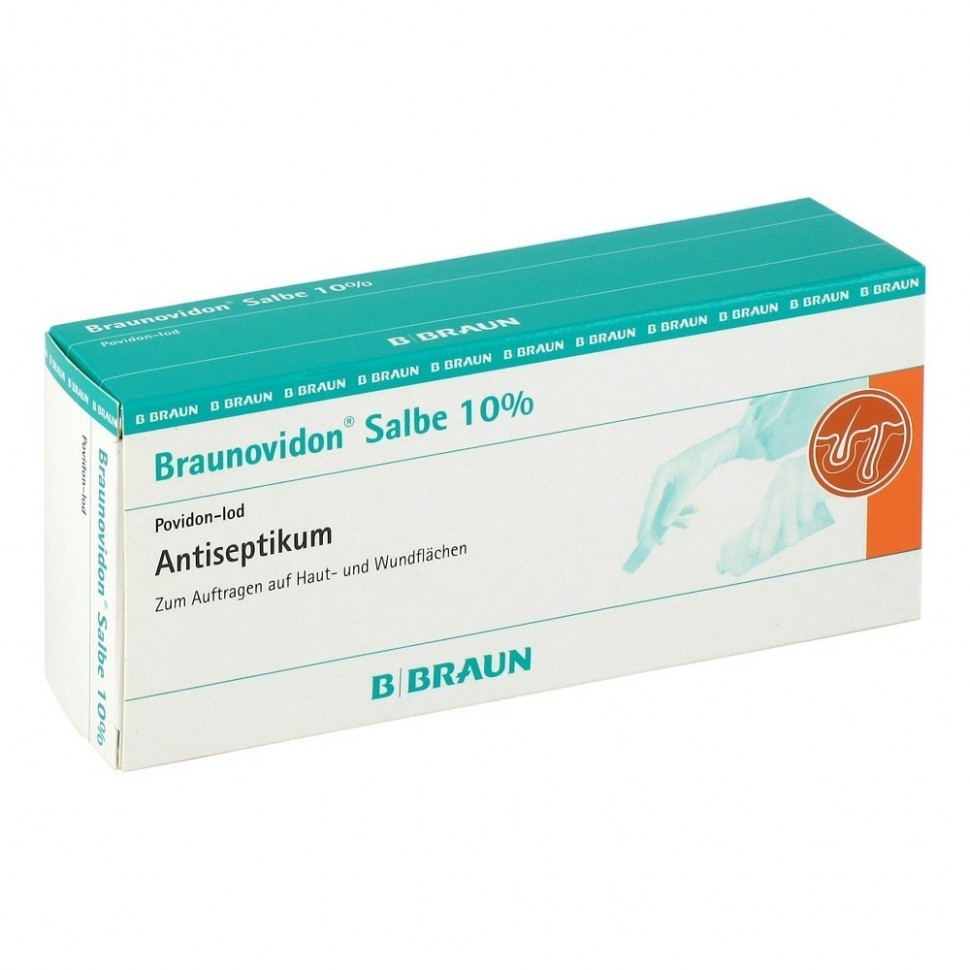
Antiseptic and disinfectant. Released from the complex with PVP, in contact with the skin and mucous membranes, iodine forms iodamines with bacterial proteins, coagulates them and causes the death of microorganisms. It has a rapid bactericidal effect on Gram-positive and Gram-negative bacteria (with the exception of M. tuberculosis). Effective against fungi, viruses, protozoa.
Use adsorbents® binds toxins entering the gastrointestinal tract and formed in the body, and removes them through the intestines.
Pharmacokinetic properties
Skin foam, Skin solution, Rinsing, Liquid soap, Ointment, Ointment for external use, Orotukozalny solution, Solution for external use, Solution for local and external use, Vaginal foam, Vaginal solution, Vaginal suppositoriesPowder for preparation of oral solution
When applied topically, there is almost no absorption of iodine.
It is not absorbed, not metabolized, and is excreted through the gastrointestinal tract.
Dosage (Posology) and method of administration
Skin foam, Skin solution, Rinsing, Liquid soap, Ointment, Ointment for external use, Orotukozalny solution, Solution for external use, Solution for local and external use, Vaginal foam, Vaginal solution, Vaginal suppositoriesTransdermal patch, Vaginal tabletsPowder for preparation of oral solution
Locally. Intravaginally, in any phase of the menstrual cycle, before going to bed, 1 supp. for 14 days, treatment of the hands of surgical personnel-moisten the skin, apply 5 ml of 7.5% solution, rub with the palms (or brush) until foam forms, rinse with water and repeat the procedure without washing with water, preoperative preparation of patients-apply 7.5% solution to the skin moistened with water (for a surface of 50-70 cm2 1 ml is enough) for 3-5 minutes, then wash off with sterile water and re-apply the solution until it dries, disinfection of wound and burn surfaces of the skin and mucous membranes-apply a 10% solution for 1-2 seconds.
Intravaginal. The tablet is released from the shell, moistened in water and, after washing, injected deep into the vagina. The application can be started on any day of the menstrual cycle, including the days of bleeding, without using tampons in this case.
For vaginitis — 1 vaginal tablet (200 mg) 2 times a day for 7 days, for chronic and subacute vaginitis-1 vaginal tablet (200 mg) 1 time a day before bedtime for 14 days. If necessary, it is possible to extend the course after consulting with a doctor.
Inside, after 1-2 hours after eating or taking medications. The drug is diluted at the rate of 2.5 g of powder per 50 ml of cold boiled water. To improve the taste, sugar or fruit juices can be added to the solution.
Adults — 100 ml of the prepared solution 1-3 times a day for 2-7 days (until the symptoms of intoxication disappear).
Children from 1 year — at the rate of 0.3 g per kg of child weight per day.
Daily reception for children:
1-3 years — 50 ml of the solution 2 times,
4-6 years — 50 ml of the solution 3 times,
7-10 years — 100 ml of the solution 2 times,
11-14 years — 100 ml of the solution 3 times.