Home / Medicine / Alphagan

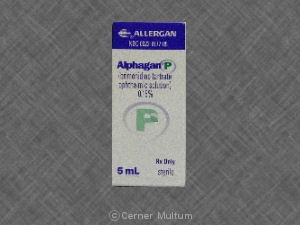
Alphagan

Marketed in 38 countries across Europe, the Americas, and the Asia-Pacific region, Alphagan is a globally distributed brand of brimonidine, classified within the ophthalmological category of medications. For an international reader, this page exists to clarify what Alphagan is, which active ingredient it carries, and where the same product — or an equivalent — is likely to be encountered abroad.

Brimonidine is prescribed in the management of elevated intraocular pressure, including ocular hypertension and open-angle glaucoma, conditions in which sustained pressure inside the eye is a clinical concern. The structured indication list further down this page reflects the registered uses recognised across the markets where Alphagan is sold, and the same molecule also appears in dermatological preparations in some jurisdictions.

Because Alphagan is registered across a broad geographic footprint, travellers and expatriates frequently encounter it abroad — sometimes under the Alphagan name, sometimes as a brimonidine-containing generic produced by a different manufacturer. Markets where Alphagan is registered include Brazil, Germany, Hong Kong, Canada, and Finland, among others, but national packaging conventions, prescription pathways, and available concentrations vary from one regulator to another. A local pharmacist or ophthalmologist can confirm whether a brimonidine product on the shelf corresponds to what was prescribed at home.

Other medications within the ophthalmological pressure-lowering category exist worldwide under a range of active ingredients and brand names, and are not freely interchangeable with brimonidine — the choice between them is a clinical one. Anyone using Alphagan, considering it, or trying to identify a local equivalent abroad should treat substitution as a conversation with a healthcare provider, ideally one familiar with the patient's ocular history.
Frequently asked questions

What conditions does Alphagan treat?

Alphagan is prescribed in the management of ocular hypertension and open-angle glaucoma — conditions characterised by elevated pressure inside the eye. Its active ingredient is classified within the ophthalmological category of medications. The complete indication list as registered with national regulators in the markets where Alphagan is sold appears in the structured section below this introduction.

Which active substance is in Alphagan?

Alphagan contains brimonidine, an active ingredient used in ophthalmological preparations and, in some jurisdictions, in dermatological formulations. Brimonidine is the same molecule whether sold under the Alphagan brand or as a generic — internationally, the active ingredient circulates under several commercial names, particularly in markets where multiple manufacturers produce brimonidine-containing eye drops in parallel.

In how many countries is Alphagan available?

Alphagan is registered in 38 countries, spanning Europe, the Americas, and parts of Asia-Pacific. Examples include Brazil, Australia, Germany, Canada, Hong Kong, Chile, and Denmark. If your country is not represented in the list shown on this page, a local pharmacist can usually confirm whether brimonidine is available in that market under a different brand name or as a generic preparation.

Are there other medications with the same active ingredient as Alphagan?

Brimonidine is sold under several brand names worldwide, particularly in markets where the original patent has expired and multiple manufacturers produce equivalent eye drops. Other medications used to lower intraocular pressure also exist within the broader ophthalmological category, although they belong to different molecular families and are not interchangeable without medical guidance. To identify a local brimonidine product, search the active ingredient on Pill2Trip or ask a pharmacist.

Should I consult a doctor before taking Alphagan?

Yes. Alphagan is a prescription medication, and ophthalmic pressure-lowering therapy is calibrated to a patient's individual ocular history, concurrent treatments, and overall circumstances. This matters particularly for travellers and expatriates, since prescription requirements, branded packaging, and available concentrations differ across regulatory regimes. Any decision to start, stop, switch, or substitute brimonidine — including at the brand-versus-generic level — should involve an ophthalmologist or treating clinician.