Overdose
Overdosage of sulfonylureas including GLUCOTROL XL can
produce severe hypoglycemia. Mild hypoglycemic symptoms without loss of
consciousness or neurologic findings should be treated with oral glucose.
Severe hypoglycemic reactions with coma, seizure, or other neurological
impairment are medical emergencies requiring immediate treatment. The patient
should be treated with glucagon or intravenous glucose. Patients should be
closely monitored for a minimum of 24 to 48 hours since hypoglycemia may recur
after apparent clinical recovery. Clearance of glipizide from plasma may be
prolonged in persons with liver disease. Because of the extensive protein
binding of glipizide, dialysis is unlikely to be of benefit.
Contraindications
Glipizide is contraindicated in patients with:
- Known hypersensitivity to glipizide or any of the
product's ingredients.
- Hypersensitivity to sulfonamide derivatives.
Undesirable effects
The following serious adverse reactions are discussed in
more detail below and elsewhere in the labeling:
- Hypoglycemia
- Hemolytic anemia
Clinical Trials Experience
Because clinical trials are conducted under widely
varying conditions, adverse reaction rates observed in the clinical trials of a
drug cannot be directly compared to rates in the clinical trials of another
drug and may not reflect the rates observed in practice.
In clinical trials, 580 patients from 31 to 87 years of
age received GLUCOTROL XL in doses from 5 mg to 60 mg in both controlled and
open trials. The dosages above 20 mg are not recommended dosages. In these
trials, approximately 180 patients were treated with GLUCOTROL XL for at least
6 months.
Table 1 summarizes the incidence of adverse reactions,
other than hypoglycemia, that were reported in pooled double-blind,
placebo-controlled trials in ≥3% of GLUCOTROL XL-treated patients and
more commonly than in patients who received placebo.
Table 1: Incidence (%) of Adverse Reactions Reported
in ≥3% of Patients Treated in Placebo-Controlled Clinical Trials and More
Commonly in Patients Treated with GLUCOTROL XL (Excluding Hypoglycemia)
| Adverse Effect |
GLUCOTROL XL (%)
(N=278) |
Placebo (%)
(N=69) |
| Dizziness |
6.8 |
5.8 |
| Diarrhea |
5.4 |
0.0 |
| Nervousness |
3.6 |
2.9 |
| Tremor |
3.6 |
0.0 |
| Flatulence |
3.2 |
1.4 |
Hypoglycemia
Of the 580 patients that
received GLUCOTROL XL in clinical trials, 3.4% had hypoglycemia documented by a
blood-glucose measurement <60 mg/dL and/or symptoms believed to be
associated with hypoglycemia and 2.6% of patients discontinued for this reason.
Hypoglycemia was not reported for any placebo patients.
Gastrointestinal Reactions
In clinical trials, the
incidence of gastrointestinal (GI) side effects (nausea, vomiting,
constipation, dyspepsia), occurred in less than 3% of GLUCOTROL XL-treated
patients and were more common in GLUCOTROL XL-treated patients than those
receiving placebo.
Dermatologic Reactions
In clinical trials, allergic
skin reactions, i.e., urticaria occurred in less than 1.5% of treated patients
and were more common in GLUCOTROL XL treated patients than those receiving
placebo. These may be transient and may disappear despite continued use of
glipizide XL; if skin reactions persist, the drug should be discontinued.
Laboratory Tests
Mild to moderate elevations of
ALT, LDH, alkaline phosphatase, BUN and creatinine have been noted. The
relationship of these abnormalities to glipizide is uncertain.
Postmarketing Experience
The following adverse reactions
have been identified during post approval use of GLUCOTROL XL. Because these
reactions are reported voluntarily from a population of uncertain size, it is
not always possible to reliably estimate their frequency or establish a causal
relationship to drug exposure.
- Abdominal pain
- Cholestatic and hepatocellular forms of liver injury
accompanied by jaundice
- Leukopenia, agranulocytosis, thrombocytopenia, hemolytic
anemia , aplastic anemia, pancytopenia
- Hepatic porphyria and disulfiram-like reactions
- Hyponatremia and the syndrome of inappropriate
antidiuretic hormone (SIADH) secretion
- Rash
- There have been reports of gastrointestinal irritation
and gastrointestinal bleeding with use of another drug with this non dissolvable extended release formulation.
Therapeutic indications
GLUCOTROL XL is indicated as an
adjunct to diet and exercise to improve glycemic control in adults with type 2
diabetes  mellitus.
Limitations Of Use
GLUCOTROL XL is not recommended
for the treatment of type 1 diabetes mellitus or diabetic ketoacidosis.
Pharmacodynamic properties
The insulinotropic response to a meal is enhanced with
GLUCOTROL XL administration in diabetic patients. The postprandial insulin and
C-peptide responses continue to be enhanced after at least 6 months of
treatment. In two randomized, double-blind, dose-response studies comprising a
total of 347 patients, there was no significant increase in fasting insulin in
all GLUCOTROL XL-treated patients combined compared to placebo, although minor
elevations were observed at some doses.
In studies of GLUCOTROL XL in subjects with type 2
diabete mellitus, once daily administration produced reductions in hemoglobin
A1c, fasting plasma glucose and postprandial glucose. The relationship between
dose and reduction in hemoglobin A1c was not established, however subjects treated
with 20 mg had a greater reduction in fasting plasma glucose compared to
subjects treated with 5 mg.
Pharmacokinetic properties
Absorption
The absolute bioavailability of glipizide was 100% after
single oral doses in patients with type 2 diabetes mellitus. Beginning 2 to 3
hours after administration of GLUCOTROL XL, plasma drug concentrations
gradually rise reaching maximum concentrations within 6 to 12 hours after
dosing. With subsequent once daily dosing of GLUCOTROL XL, plasma glipizide
concentrations are maintained throughout the 24 hour dosing interval with less
peak to trough fluctuation than that observed with twice daily dosing of
immediate release glipizide.
The mean relative bioavailability of glipizide in 21
males with type 2 diabetes mellitus after administration of 20 mg GLUCOTROL XL,
compared to immediate release Glucotrol (10 mg given twice daily), was 90% at
steady-state. Steady-state plasma concentrations were achieved by at least the
fifth day of dosing with GLUCOTROL XL in 21 males with type 2 diabetes mellitus
and patients younger than 65 years. No accumulation of drug was observed in
patients with type 2 diabetes mellitus during chronic dosing with GLUCOTROL XL.
Administration of GLUCOTROL XL with food has no effect on
the 2 to 3 hour lag time in drug absorption. In a single dose, food effect
study in 21 healthy male subjects, the administration of GLUCOTROL XL
immediately before a high fat breakfast resulted in a 40% increase in the
glipizide mean Cmax value, which was significant, but the effect on the AUC was
not significant. There was no change in glucose response between the fed and
fasting state. Markedly reduced GI retention times of the GLUCOTROL XL tablets
over prolonged periods (e.g., short bowel syndrome) may influence the pharmacokinetic
profile of the drug and potentially result in lower plasma concentrations.
In a multiple dose study in 26 males with type 2 diabetes
mellitus, the pharmacokinetics of glipizide were linear with GLUCOTROL XL in
that the plasma drug concentrations increased proportionately with dose. In a
single dose study in 24 healthy subjects, four 5-mg, two 10-mg, and one 20-mg
GLUCOTROL XL tablets were bioequivalent. In a separate single dose study in 36
healthy subjects, four 2.5-mg GLUCOTROL XL tablets were bioequivalent to one
10-mg GLUCOTROL XL tablet.
Distribution
The mean volume of distribution was approximately 10
liters after single intravenous doses in patients with type 2 diabetes
mellitus. Glipizide is 98–99% bound to serum proteins, primarily to albumin.
Metabolism
The major metabolites of glipizide are products of
aromatic hydroxylation and have no hypoglycemic activity. A minor metabolite,
an acetylamino-ethyl benzene derivative, which accounts for less than 2% of a
dose, is reported to have 1/10 to 1/3 as much hypoglycemic activity as the
parent compound.
Elimination
Glipizide is eliminated primarily by hepatic
biotransformation: less than 10% of a dose is excreted as unchanged drug in
urine and feces; approximately 90% of a dose is excreted as biotransformation
products in urine (80%) and feces (10%). The mean total body clearance of
glipizide was approximately 3 liters per hour after single intravenous doses in
patients with type 2 diabetes mellitus. The mean terminal elimination half-life
of glipizide ranged from 2 to 5 hours after single or multiple doses in
patients with type 2 diabetes mellitus.
Date of revision of the text
Aug 2017
Fertility, pregnancy and lactation
Pregnancy Category C
Glipizide was found to be mildly fetotoxic in rat
reproductive studies at all dose levels (5–50 mg/kg). This fetotoxicity has been
similarly noted with other sulfonylureas, such as tolbutamide and tolazamide.
The effect is perinatal and believed to be directly related to the
pharmacologic (hypoglycemic) action of glipizide. There are no adequate and
well controlled studies in pregnant women. GLUCOTROL XL should be used during
pregnancy only if the potential benefit justifies the potential risk to the
fetus.
Nonteratogenic Effects
Prolonged severe hypoglycemia (4 to 10 days) has been
reported in neonates born to mothers who were receiving a sulfonylurea drug at
the time of delivery. This has been reported more frequently with the use of
agents with prolonged half-lives. If glipizide is used during pregnancy, it
should be discontinued at least one month before the expected delivery date.
Qualitative and quantitative composition
Dosage Forms And Strengths
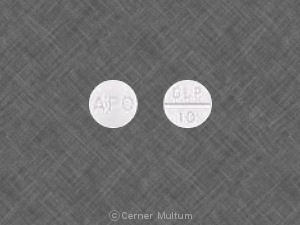
GLUCOTROL XL (glipizide) Extended Release tablets:
2.5 mg, blue and imprinted with “GLUCOTROL XL 2.5” or
“GXL 2.5” on one side
5 mg, white and imprinted with “GLUCOTROL XL 5” or “GXL
5” on one side
10 mg, white and imprinted with “GLUCOTROL XL 10” or “GXL
10” on one side
Storage And Handling
GLUCOTROL XL (glipizide) Extended Release Tablets are
supplied as 2.5 mg, 5 mg, and 10 mg round, biconvex tablets and imprinted with
black ink as follows:
Table 2: GLUCOTROL XL Tablet Presentations
| Tablet Strength |
Tablet Color/ Shape |
Tablet Markings |
Package Size |
NDC Code |
| 2.5 mg |
Blue Round Biconvex |
imprinted with “GLUCOTROL XL 2.5” on one side |
Bottles of 30 |
NDC 00491620-30 |
| imprinted with “GXL 2.5” on one side |
Bottles of 30 |
NDC 00490170-01 |
| 5 mg |
White Round Biconvex |
imprinted with “GLUCOTROL XL 5” on one side |
Bottles of 100 |
NDC 00491550-66 |
| Bottles of 500 |
NDC 0049-1550-73 |
| imprinted with “GXL 5” on one side |
Bottles of 100 |
NDC 00490174-02 |
| Bottles of 500 |
NDC 0049-0174-03 |
| 10 mg |
White Round Biconvex |
imprinted with “GLUCOTROL XL 10” on one side |
Bottles of 100 |
NDC 00491560-66 |
| Bottles of 500 |
NDC 0049-1560-73 |
| imprinted with “GXL 10” on one side |
Bottles of 100 |
NDC 00490178-07 |
| Bottles of 500 |
NDC 0049-0178-08 |
Recommended Storage
The tablets should be protected
from moisture and humidity. Store at 68-77°F (20-25°C); excursions permitted
between 59°F and 86°F (15°C and 30°C).
REFERENCES
1. Diabetes, 19, SUPP. 2: 747–830, 1970
Distributed by: Roerig, Division of Pfizer Inc., NY, NY
10017. Revised: Aug 2017
Special warnings and precautions for use
WARNINGS
Included as part of the PRECAUTIONS section.
PRECAUTIONS
Hypoglycemia
All sulfonylurea drugs, including GLUCOTROL XL, are
capable of producing severe hypoglycemia.
Concomitant use of GLUCOTROL XL with other anti-diabetic medication can
increase the risk of hypoglycemia. A lower dose of GLUCOTROL XL may be required
to minimize the risk of hypoglycemia when combining it with other anti-diabetic
medications.
Educate patients to recognize and manage hypoglycemia.
When initiating and increasing GLUCOTROL XL in patients who may be predisposed
to hypoglycemia (e.g., the elderly, patients with renal impairment, patients on
other anti-diabetic medications) start at 2.5 mg. Debilitated or malnourished
patients, and those with adrenal, pituitary, or hepatic impairment are
particularly susceptible to the hypoglycemic action of anti-diabetic
medications. Hypoglycemia is also more likely to occur when caloric intake is
deficient, after severe or prolonged exercise, or when alcohol is ingested.
The patient's ability to concentrate and react may be
impaired as a result of hypoglycemia. Early warning symptoms of hypoglycemia
may be different or less pronounced in patients with autonomic neuropathy, the
elderly, and in patients who are taking beta-adrenergic blocking medications or
other sympatholytic agents. These situations may result in severe hypoglycemia
before the patient is aware of the hypoglycemia.
These impairments may present a risk in situations where
these abilities are especially important, such as driving or operating other
machinery. Severe hypoglycemia can lead to unconsciousness or convulsions and
may result in temporary or permanent impairment of brain function or death.
Hemolytic Anemia
Treatment of patients with glucose 6-phosphate
dehydrogenase (G6PD) deficiency with sulfonylurea agents, including GLUCOTROL
XL, can lead to hemolytic anemia. Avoid use of GLUCOTROL XL in patients with
G6PD deficiency. In post marketing reports, hemolytic anemia has also been
reported in patients who did not have known G6PD deficiency.
Increased Risk Of Cardiovascular Mortality With Sulfonylureas
The administration of oral hypoglycemic drugs has been
reported to be associated with increased cardiovascular mortality as compared
to treatment with diet alone or diet plus insulin. This warning is based on the
study conducted by the University Group Diabetes Program (UGDP), a long-term
prospective clinical trial designed to evaluate the effectiveness of
glucose-lowering drugs in preventing or delaying vascular complications in
patients with type 2 diabetes mellitus. The study involved 823 patients who
were randomly assigned to one of four treatment groups.
UGDP reported that patients treated for 5 to 8 years with
diet plus a fixed dose of tolbutamide (1.5 grams per day) had a rate of
cardiovascular mortality approximately 2½ times that of patients treated with
diet alone. A significant increase in total mortality was not observed, but the
use of tolbutamide was discontinued based on the increase in cardiovascular
mortality, thus limiting the opportunity for the study to show an increase in
overall mortality. Despite controversy regarding the interpretation of these
results, the findings of the UGDP study provide an adequate basis for this
warning. The patient should be informed of the potential risks and advantages
of glipizide and of alternative modes of therapy.
Although only one drug in the sulfonylurea class
(tolbutamide) was included in this study, it is prudent from a safety
standpoint to consider that this warning may also apply to other oral
hypoglycemic drugs in this class, in view of their close similarities in mode
of action and chemical structure.
Macrovascular Outcomes
There have been no clinical studies establishing
conclusive evidence of macrovascular risk reduction with GLUCOTROL XL or any
other anti-diabetic drug.
Gastrointestinal Obstruction
There have been reports of obstructive symptoms in
patients with known strictures in association with the ingestion of another
drug with this non-dissolvable extended release formulation. Avoid use of
GLUCOTROL XL in patients with preexisting severe gastrointestinal narrowing
(pathologic or iatrogenic).
Patient Counseling Information
Advise the patient to read the
FDA-approved patient labeling (PATIENT INFORMATION).
Inform patients of the
potential adverse reactions of GLUCOTROL XL including hypoglycemia. Explain the
risks of hypoglycemia, its symptoms and treatment, and conditions that
predispose to its development to patients and responsible family members. Also
inform patients about the importance of adhering to dietary instructions, of a
regular exercise program, and of regular testing of glycemic control.
Inform patients that GLUCOTROL
XL should be swallowed whole. Inform patients that they should not chew, divide
or crush tablets and they may occasionally notice in their stool something that
looks like a tablet. In the GLUCOTROL XL tablet, the medication is contained
within a non-dissolvable shell that has been specially designed to slowly
release the drug so the body can absorb it.
Advise patients with diabetes
to inform their healthcare provider if they are pregnant, contemplating
pregnancy, breastfeeding, or contemplating breastfeeding.
This product's label may have
been updated. For full prescribing information, please visit www.pfizer.com.
Nonclinical Toxicology
Carcinogenesis, Mutagenesis, Impairment Of Fertility
A twenty month study in rats and an eighteen month study
in mice at doses up to 75 times the maximum human dose revealed no evidence of
drug-related carcinogenicity. Bacterial and in vivo mutagenicity tests were
uniformly negative. Studies in rats of both sexes at doses up to 75 times the
human dose showed no effects on fertility.
Use In Specific Populations
Pregnancy
Pregnancy Category C
Glipizide was found to be mildly fetotoxic in rat
reproductive studies at all dose levels (5–50 mg/kg). This fetotoxicity has been
similarly noted with other sulfonylureas, such as tolbutamide and tolazamide.
The effect is perinatal and believed to be directly related to the
pharmacologic (hypoglycemic) action of glipizide. There are no adequate and
well controlled studies in pregnant women. GLUCOTROL XL should be used during
pregnancy only if the potential benefit justifies the potential risk to the
fetus.
Nonteratogenic Effects
Prolonged severe hypoglycemia (4 to 10 days) has been
reported in neonates born to mothers who were receiving a sulfonylurea drug at
the time of delivery. This has been reported more frequently with the use of
agents with prolonged half-lives. If glipizide is used during pregnancy, it
should be discontinued at least one month before the expected delivery date.
Nursing Mothers
It is not known whether GLUCOTROL XL is excreted in human
milk. Because the potential for hypoglycemia in nursing infants may exist, a
decision should be made whether to discontinue nursing or to discontinue the
drug, taking into account the importance of the drug to the mother.
Pediatric Use
Safety and effectiveness in children have not been
established.
Geriatric Use
There were no overall differences in effectiveness or
safety between younger and older patients, but greater sensitivity of some
individuals cannot be ruled out. Elderly patients are particularly susceptible
to the hypoglycemic action of anti-diabetic agents. Hypoglycemia may be
difficult to recognize in these patients. Therefore, dosing should be
conservative to avoid hypoglycemia.
Hepatic Impairment
There is no information regarding the effects of hepatic
impairment on the disposition of glipizide. However, since glipizide is highly
protein bound and hepatic biotransformation is the predominant route of
elimination, the pharmacokinetics and/or pharmacodynamics of glipizide may be
altered in patients with hepatic impairment. If hypoglycemia occurs in such
patients, it may be prolonged and appropriate management should be instituted.
Dosage (Posology) and method of administration
Recommended Dosing
GLUCOTROL XL should be administered orally with breakfast
or the first main meal of the day.
The recommended starting dose of GLUCOTROL XL is 5 mg
once daily. Start patients at increased risk for hypoglycemia (e.g. the elderly
or patients with hepatic insufficiency) at 2.5 mg.
Dosage adjustment can be made based on the patient's
glycemic control. The maximum recommended dose is 20 mg once daily.
Patients receiving immediate release glipizide may be
switched to GLUCOTROL XL once daily at the nearest equivalent total daily dose.
Use With Other Glucose Lowering Agents
When adding GLUCOTROL XL to other anti-diabetic drugs,
initiate GLUCOTROL XL at 5 mg once daily. Start patients at increased risk for
hypoglycemia at a lower dose.
When colesevelam is coadministered with glipizide ER,
maximum plasma concentration and total exposure to glipizide is reduced.
Therefore, GLUCOTROL XL should be administered at least 4 hours prior to
colesevelam.
Interaction with other medicinal products and other forms of interaction
SIDE EFFECTS
The following serious adverse reactions are discussed in
more detail below and elsewhere in the labeling:
- Hypoglycemia
- Hemolytic anemia
Clinical Trials Experience
Because clinical trials are conducted under widely
varying conditions, adverse reaction rates observed in the clinical trials of a
drug cannot be directly compared to rates in the clinical trials of another
drug and may not reflect the rates observed in practice.
In clinical trials, 580 patients from 31 to 87 years of
age received GLUCOTROL XL in doses from 5 mg to 60 mg in both controlled and
open trials. The dosages above 20 mg are not recommended dosages. In these
trials, approximately 180 patients were treated with GLUCOTROL XL for at least
6 months.
Table 1 summarizes the incidence of adverse reactions,
other than hypoglycemia, that were reported in pooled double-blind,
placebo-controlled trials in ≥3% of GLUCOTROL XL-treated patients and
more commonly than in patients who received placebo.
Table 1: Incidence (%) of Adverse Reactions Reported
in ≥3% of Patients Treated in Placebo-Controlled Clinical Trials and More
Commonly in Patients Treated with GLUCOTROL XL (Excluding Hypoglycemia)
| Adverse Effect |
GLUCOTROL XL (%)
(N=278) |
Placebo (%)
(N=69) |
| Dizziness |
6.8 |
5.8 |
| Diarrhea |
5.4 |
0.0 |
| Nervousness |
3.6 |
2.9 |
| Tremor |
3.6 |
0.0 |
| Flatulence |
3.2 |
1.4 |
Hypoglycemia
Of the 580 patients that
received GLUCOTROL XL in clinical trials, 3.4% had hypoglycemia documented by a
blood-glucose measurement <60 mg/dL and/or symptoms believed to be
associated with hypoglycemia and 2.6% of patients discontinued for this reason.
Hypoglycemia was not reported for any placebo patients.
Gastrointestinal Reactions
In clinical trials, the
incidence of gastrointestinal (GI) side effects (nausea, vomiting,
constipation, dyspepsia), occurred in less than 3% of GLUCOTROL XL-treated
patients and were more common in GLUCOTROL XL-treated patients than those
receiving placebo.
Dermatologic Reactions
In clinical trials, allergic
skin reactions, i.e., urticaria occurred in less than 1.5% of treated patients
and were more common in GLUCOTROL XL treated patients than those receiving
placebo. These may be transient and may disappear despite continued use of
glipizide XL; if skin reactions persist, the drug should be discontinued.
Laboratory Tests
Mild to moderate elevations of
ALT, LDH, alkaline phosphatase, BUN and creatinine have been noted. The
relationship of these abnormalities to glipizide is uncertain.
Postmarketing Experience
The following adverse reactions
have been identified during post approval use of GLUCOTROL XL. Because these
reactions are reported voluntarily from a population of uncertain size, it is
not always possible to reliably estimate their frequency or establish a causal
relationship to drug exposure.
- Abdominal pain
- Cholestatic and hepatocellular forms of liver injury
accompanied by jaundice
- Leukopenia, agranulocytosis, thrombocytopenia, hemolytic
anemia , aplastic anemia, pancytopenia
- Hepatic porphyria and disulfiram-like reactions
- Hyponatremia and the syndrome of inappropriate
antidiuretic hormone (SIADH) secretion
- Rash
- There have been reports of gastrointestinal irritation
and gastrointestinal bleeding with use of another drug with this non dissolvable extended release formulation.
DRUG INTERACTIONS
Drugs Affecting Glucose
Metabolism
A number of medications affect
glucose metabolism and may require GLUCOTROL XL dose adjustment and close
monitoring for hypoglycemia or worsening glycemic control.
The following are examples of
medication that may increase the glucose lowering effect of GLUCOTROL XL,
increase the susceptibility to and/or intensity of hypoglycemia: antidiabetic
agents, ACE inhibitors, angiotensin II receptor blocking agents, disopyramide,
fibrates, fluoxetine, monoamine oxidase inhibitors, pentoxifylline,
pramlintide, propoxyphene, salicylates, somatostatin analogs (e.g.,
octreotide), sulfonamide antibiotics, nonsteroidal anti-inflammatory agents,
chloramphenicol, probenecid, coumarins, voriconazole, H2 receptor antagonists,
and quinolones. When these medications are administered to a patient
receiving GLUCOTROL XL, monitor the patient closely for hypoglycemia. When
these medications are discontinued from a patient receiving GLUCOTROL XL,
monitor the patient closely for worsening glycemic control.
The following are examples of medication that may reduce
the glucose-lowering effect of GLUCOTROL XL, leading to worsening glycemic
control: atypical antipsychotics (e.g., olanzapine and clozapine),
corticosteroids, danazol, diuretics, estrogens, glucagon, isoniazid, niacin,
oral contraceptives, phenothiazines, progestogens (e.g., in oral
contraceptives), protease inhibitors, somatropin, sympathomimetic agents (e.g.,
albuterol, epinephrine, terbutaline), thyroid hormones, phenytoin, nicotinic
acid, and calcium channel blocking drugs. When such drugs are administered to
patients receiving GLUCOTROL XL, monitor the patients closely for worsening
glycemic control. When these medications are discontinued from patients
receiving GLUCOTROL XL, monitor the patient closely for hypoglycemia.
Alcohol, beta-blockers, clonidine, and reserpine may lead
to either potentiation or weakening of the glucose-lowering effect. Increased
frequency of monitoring may be required when GLUCOTROL XL is co-administered
with these drugs.
The signs of hypoglycemia may be reduced or absent in
patients taking sympatholytic drugs such as beta-blockers, clonidine,
guanethidine, and reserpine. Increased frequency of monitoring may be required
when GLUCOTROL XL is co-administered with these drugs.
Miconazole
Monitor patients closely for hypoglycemia when Glucotrol
XL is co-administered with miconazole. A potential interaction between oral
miconazole and oral hypoglycemic agents leading to severe hypoglycemia has been
reported.
Fluconazole
Monitor patients closely for hypoglycemia when Glucotrol
XL is co-administered with fluconazole. Concomitant treatment with fluconazole
increases plasma concentrations of glipizide, which may lead to hypoglycemia.
Colesevelam
GLUCOTROL XL should be administered at least 4 hours
prior to the administration of colesevelam. Colesevelam can reduce the maximum
plasma concentration and total exposure of glipizide when the two are
coadministered.