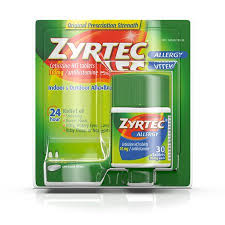
Marketed in 47 countries across Europe, Latin America, Asia, and North Africa, Zyrtec is a globally distributed brand of cetirizine hydrochloride, classified within the systemic antihistamine category. It is one of the more recognisable allergy-medication brands a traveller is likely to encounter on pharmacy shelves outside their home country, although the regulatory status — over-the-counter versus prescription — differs noticeably from one market to another.
Cetirizine is used in the management of allergic conditions, including allergic rhinitis, hay fever, hives, atopic dermatitis, and other allergy-related skin irritation and itching. The ingredient is also classed as antipruritic and antiexudative, reflecting the range of allergy presentations for which it is prescribed. The structured indication list further down this page details the full set of registered uses recognised in the markets where Zyrtec is sold.
Because Zyrtec has such a broad international footprint, travellers and expatriates often encounter the same medication abroad — sometimes under the Zyrtec brand, sometimes as a cetirizine-containing generic, and occasionally under an entirely different brand owned by a local manufacturer. Markets where Zyrtec is registered include France, Argentina, China, Egypt, and Finland, but packaging, prescription pathways, and even pack sizes vary considerably. A pharmacist in any of these markets can confirm whether a locally available cetirizine product is the right substitute.
Other medications in the systemic antihistamine class are sold worldwide under various molecules and brand names, and a regional pharmacist is well-placed to identify suitable options when Zyrtec itself is not stocked. Decisions about starting, stopping, or switching antihistamine therapy — particularly for children or for long-term allergy management — belong with a healthcare provider familiar with the patient.