Home / Medicine / Zyloric

Zyloric

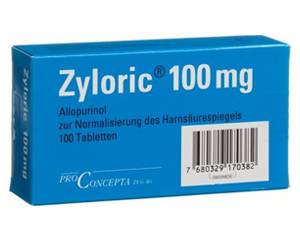
Among allopurinol-based products on the international market, Zyloric is one of the more broadly distributed brands, registered in 30 countries. The active ingredient is allopurinol, classified within the antigout and hypouricemic category — medications whose role is to lower uric acid levels in the body over the long term.

Zyloric is prescribed for the management of gout and gouty arthritis, for certain forms of kidney stones associated with uric acid, and for hyperuricaemia connected with conditions such as Lesch-Nyhan syndrome and some forms of nephropathy, including diabetic kidney disease. It also appears in the context of osteoarthritis where uric acid handling is relevant. The structured indication block below this introduction lists each registered use as recognised by national regulators in the markets where Zyloric is sold.

Because Zyloric carries marketing authorisation across a geographically wide spread — including Japan, Brazil, Germany, Egypt, and Indonesia — travellers and expatriates frequently encounter the same brand abroad. That said, regulatory status, packaging, and prescription pathways vary from one country to another, and in some markets the same molecule is supplied under a different brand name or as a generic. A local pharmacist can confirm whether an allopurinol-containing product on a foreign shelf corresponds to what the patient already takes at home.

Other medications within the broader hypouricemic and antigout class also exist internationally under different molecules, although they are not freely interchangeable with allopurinol. Anyone taking Zyloric, weighing it up, or trying to identify a regional equivalent should make that decision with a healthcare provider who knows their full medical history.
Frequently asked questions

What conditions does Zyloric treat?

Zyloric is prescribed for the long-term management of gout and gouty arthritis, certain uric acid-related kidney stones, and hyperuricaemia associated with conditions such as Lesch-Nyhan syndrome and some forms of nephropathy, including diabetic kidney disease. As an antigout and hypouricemic agent, it is used to lower uric acid levels rather than to relieve acute symptoms. The structured indication list further down this page details each registered use.

What is the active ingredient in Zyloric?

Zyloric contains allopurinol, classified within the antigout and hypouricemic category. Allopurinol is one of the longest-established molecules in this therapeutic area and circulates internationally under several brand names as well as in generic form. Whether labelled as Zyloric or as another allopurinol-containing product, the underlying active ingredient is the same molecule recognised by regulators worldwide.

In how many countries is Zyloric available?

Zyloric is registered for sale in 30 countries, spanning Europe, Latin America, North Africa, and parts of Asia. Examples include Japan, Brazil, Germany, Egypt, Indonesia, France, and Chile. If your country is not represented in the list shown on this page, a local pharmacist can usually confirm whether allopurinol is available in that market under another brand name or as a generic preparation.

Can I find a generic version of Zyloric?

Allopurinol is widely available as a generic in most regulated markets, and it is also sold under several brand names beyond Zyloric. Other medications within the broader hypouricemic and antigout class exist internationally too, although they are not directly interchangeable — molecules within a class can differ meaningfully in their profiles. To identify a local allopurinol-containing product, search the active ingredient on Pill2Trip or ask a pharmacist.

Should I consult a doctor before taking Zyloric?

Yes. Zyloric is a prescription medication, and uric acid-lowering therapy is calibrated to a patient's individual circumstances, including kidney function, concurrent medications, and the underlying reason for treatment. This is particularly relevant for travellers and people relocating between countries, where prescription rules, available brands, and generic equivalents differ. Any decision to start, stop, or substitute allopurinol belongs with a healthcare provider familiar with the patient.

Zyloric

Available in 30 countries