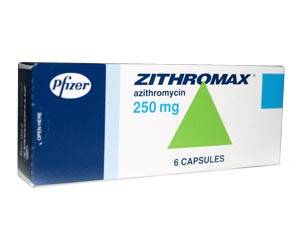
Marketed in 31 countries across multiple regions, Zithromax is a globally distributed brand of azithromycin, a medication classified within the bactericidal antibiotic category. For travellers and expatriates, it is one of the more recognisable antibiotic brand names, and the international reader visiting this page is most often trying to confirm whether what they have at home matches what they have been offered abroad — or vice versa.
Zithromax is prescribed for a range of bacterial infections, including bronchitis, community-acquired pneumonia, middle ear infections both acute and chronic, soft tissue infections, and Lyme disease, among others. The full registered indication list, as recognised by national regulators in the markets where the brand is sold, appears in the structured data block further down this page.
Because Zithromax has such a broad international footprint, the same brand name often surfaces across very different healthcare systems — from Canada and Australia to Egypt, Indonesia, Lebanon, and France. Regulatory packaging, pack sizes, and prescription pathways differ from one country to another, and azithromycin also circulates worldwide as a generic under several other brand names. A pharmacist in the destination country can confirm whether a locally available azithromycin product corresponds to what a patient has previously been prescribed.
Other antibiotics within related classes are widely available internationally as well, although antibiotics are not freely interchangeable — molecule choice depends on the specific infection, local resistance patterns, and patient factors. A traveller running out of a course mid-trip, or one prescribed an unfamiliar antibiotic abroad, should treat continuation or substitution as a clinical decision rather than a pharmacy-counter swap. Any decision to start, complete, change, or stop a course of Zithromax belongs with a healthcare provider familiar with the patient and the infection being treated.