Home / Medicine / Zantac

Zantac

Marketed in 48 countries across multiple continents, Zantac is a globally distributed brand of ranitidine hydrochloride, classified within the antiulcer and acid-related disorder category. For travellers and expatriates, it is one of the more recognisable names in the gastric-acid space, and the page reader is most often someone who has encountered it under prescription at home and is now trying to identify the same medication abroad — or, conversely, someone who has been handed an unfamiliar local brand and wants to know whether it is the equivalent of what they already know.

Ranitidine-containing products like Zantac are prescribed for a range of acid-related gastrointestinal conditions, including dyspepsia, gastro-oesophageal reflux, reflux oesophagitis, erosive oesophagitis, and the management of Zollinger-Ellison syndrome. The structured indication list further down this page reflects the registered uses across the markets in which Zantac is sold.

Because the brand has such a broad international footprint, travellers may run into Zantac itself in countries as different as Canada, Egypt, China, Belgium, and Chile. Regulatory status, packaging, and even prescription-versus-pharmacy classification can differ noticeably between these markets, and the availability of ranitidine specifically has been subject to regulatory review in several countries in recent years. A local pharmacist is in the best position to clarify what is currently on the shelf in any given country.

Other medications within the broader acid-related-disorders category — including different molecules entirely — are widely available worldwide under a range of brand names, and a pharmacist or physician familiar with the local formulary can identify what is appropriate. Decisions about starting, continuing, or substituting any acid-reducing therapy belong with a healthcare provider who knows the patient's history.
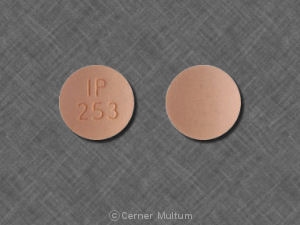
Frequently asked questions

What conditions does Zantac treat?

Zantac is prescribed for a range of acid-related gastrointestinal conditions, including dyspepsia, gastro-oesophageal reflux, reflux oesophagitis, erosive oesophagitis, and Zollinger-Ellison syndrome. Its active ingredient sits within the antiulcer and acid-related-disorders category. The structured indication list below this introduction reflects the registered uses in the markets where the brand is authorised, which can vary slightly from one regulatory jurisdiction to another.

Which active substance is in Zantac?

Zantac contains ranitidine hydrochloride, classified within the antiulcer and acid-related-disorders category. The same active ingredient circulates internationally under a number of different brand names where it remains registered, and its regulatory status has been reassessed in several countries in recent years. A local pharmacist can confirm whether ranitidine-containing products are currently available in a given market.

In how many countries is Zantac available?

Zantac is registered in 48 countries spread across several continents. Representative markets include Canada, China, Egypt, Australia, Belgium, Chile, Bangladesh, and Finland. If your country is not represented in the structured list on this page, a local pharmacist can usually confirm whether Zantac itself or another ranitidine-containing product is available, and what its current regulatory status is in that market.

Can I find a generic version of Zantac?

Ranitidine hydrochloride has historically been sold under several brand names worldwide in markets where it remains registered, and other molecules within the broader acid-related-disorders category are also widely available internationally. These are not freely interchangeable — different molecules have different clinical positioning. To identify a locally available equivalent, search the active ingredient on Pill2Trip or ask a pharmacist about appropriate options in your country.

Is Zantac a prescription medication?

Yes, in most jurisdictions Zantac is dispensed under prescription, although classification varies — in some countries lower-strength versions have historically been available directly from a pharmacist. Acid-reducing therapy is calibrated to a patient's symptoms, history, and concurrent medications, and ranitidine specifically has been subject to regulatory review in multiple markets. Travellers and expatriates should treat any continuation or substitution as a conversation with a healthcare provider.

Zantac

Available in 48 countries