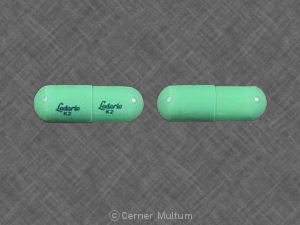
Orudis contains ketoprofen, a nonsteroidal anti-inflammatory with analgesic and antipyretic properties, and is registered in 12 countries across Europe, Oceania, North Africa, and Southeast Asia. The brand sits in a mid-range international footprint — neither a globally dominant household name nor a strictly regional product — and travellers familiar with it from one market may or may not encounter it under the same name in another.
Ketoprofen is used in the management of pain and inflammation across a relatively broad set of indications. The registered uses for Orudis span musculoskeletal and rheumatological conditions such as osteoarthritis, rheumatoid arthritis, and ankylosing spondylitis, alongside neuralgia, general pain, and inflammatory conditions of the mouth and throat including gingivitis, stomatitis, and laryngitis. The complete indication list as recognised by national regulators is set out in the structured section further down this page.
The countries where Orudis is marketed include the United Kingdom, Australia, Egypt, the Philippines, Italy, and Iceland — a geographically scattered footprint rather than a single regional cluster. Beyond these markets, ketoprofen as a molecule is widely available internationally under other brand names, including topical formulations intended for localised joint and muscular pain. A pharmacist in the destination country can confirm whether a ketoprofen-containing product is available locally and in what form.
Other molecules in the nonsteroidal anti-inflammatory class are also sold worldwide, although they are not freely interchangeable with ketoprofen. Anyone using Orudis regularly, considering it, or trying to identify a suitable equivalent abroad should treat the choice as a clinical conversation with a healthcare provider familiar with their full medical history.