Home / Medicine / Nexium

Nexium

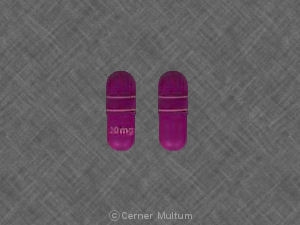
Marketed in 53 countries across the Americas, Europe, Asia-Pacific, and parts of Africa, Nexium is a globally distributed brand of esomeprazole, classified as a proton pump inhibitor within the broader category of drugs for acid-related disorders. This page is written for travellers, expatriates, and family members trying to identify the medication abroad or recognise a familiar treatment under unfamiliar packaging.

Esomeprazole is prescribed for a range of acid-related gastrointestinal conditions, including gastroesophageal reflux disease, reflux esophagitis, peptic and duodenal ulcers, Zollinger-Ellison syndrome, and as part of regimens used in the management of Helicobacter pylori. The structured indication list further down this page details each registered use as recognised by the national regulators of the markets where Nexium is sold.

Because Nexium has such a broad international footprint, travellers frequently encounter the medication abroad — sometimes under the Nexium brand, sometimes as an esomeprazole generic produced by a regional manufacturer. Markets where the brand is registered include Brazil, China, Canada, Egypt, and Finland, but packaging, available strengths, and prescription pathways differ considerably between jurisdictions. A pharmacist in the destination country can confirm whether a locally stocked esomeprazole product corresponds to what the patient was using at home.

Other medications in the proton pump inhibitor class are sold in essentially every regulated market in the world under different molecules and brand names, and the broader category of drugs for acid-related disorders extends further still. Travellers managing a chronic acid-related condition should treat any substitution as a clinical decision rather than a shelf-level swap, and a healthcare provider familiar with the patient's history is the right person to guide it.
How does this drug class actually work?
Read the plain-language explainer in Pharmacology Academy (Proton pump inhibitors) →

Frequently asked questions

What conditions does Nexium treat?

Nexium is prescribed for a range of acid-related gastrointestinal conditions, including gastroesophageal reflux disease, reflux esophagitis, peptic and duodenal ulcers, Zollinger-Ellison syndrome, and as part of regimens addressing Helicobacter pylori. As a proton pump inhibitor, it sits within the broader category of drugs for acid-related disorders. The structured indication block further down this page lists each registered use in the markets where Nexium is authorised.

What is the active ingredient in Nexium?

Nexium contains esomeprazole, classified as a proton pump inhibitor that acts by inhibiting the H+/K+-ATPase enzyme system in gastric parietal cells. The same active ingredient circulates internationally under a number of brand names and as a generic in markets where the original patent has expired, so esomeprazole-containing products are widely encountered across regulatory regions even when the Nexium brand itself is not on the shelf.

In how many countries is Nexium available?

Nexium carries marketing authorisation in 53 countries, spanning multiple continents and regulatory regions. Examples include Australia, Brazil, Canada, China, Egypt, Denmark, and Argentina. The footprint covers established and emerging healthcare markets alike. If your country is not represented in the structured list below, a local pharmacist can usually confirm whether esomeprazole is available locally under a different brand name or as a generic equivalent.

Are there other medications with the same active ingredient as Nexium?

Esomeprazole is sold under several brand names worldwide and as a generic in many markets, so travellers can typically locate an esomeprazole-containing product even where Nexium itself is not stocked. Other medications within the broader proton pump inhibitor class also exist internationally, although molecules within the class are not freely interchangeable. To identify a local option, search the active ingredient on Pill2Trip or ask a pharmacist.

Should I consult a doctor before taking Nexium?

Yes. Nexium is a prescription medication in many jurisdictions, although some countries permit limited over-the-counter access for specific acid-related indications. Prescription rules, available strengths, and labelled uses differ from one regulatory regime to the next, which is particularly relevant for travellers and people relocating between countries. Any decision to start, stop, switch, or substitute esomeprazole should involve a healthcare provider familiar with the patient's history.