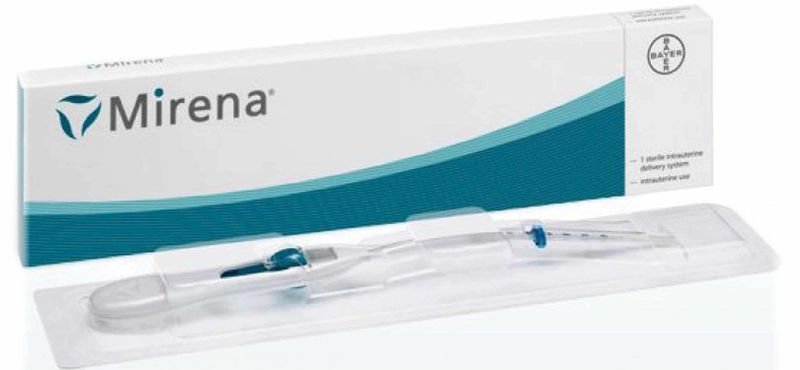
Marketed in 55 countries across Europe, the Americas, and the Asia-Pacific region, Mirena is a globally distributed brand of levonorgestrel, classified within the progestogen and contraceptive categories. The product is one of the more internationally recognised intrauterine hormonal preparations, and travellers and expatriates frequently ask whether it can be located, continued, or replaced under the same name in a new country.
The active ingredient, levonorgestrel, is a synthetic progestogen used in a number of gynaecological contexts. Mirena itself is indicated for birth control, the management of heavy menstrual bleeding, and endometrial hyperplasia. The structured indication block below this introduction reflects the registered uses recognised by the national regulators in the markets where the product is sold, and these can vary slightly from country to country.
Because Mirena has such a broad regulatory footprint, the brand is often available under the same name in many destinations — including Canada, Finland, Australia, Chile, and the Czech Republic. That said, the way the product is supplied, prescribed, and inserted differs significantly between healthcare systems. In some markets it is fitted exclusively in specialist clinics; in others it is handled in primary care. Local prescription pathways, follow-up schedules, and replacement intervals are set by the regional health authority and the prescribing clinician, not by the patient.
Other levonorgestrel-containing intrauterine systems and other progestogen-class contraceptives circulate worldwide under various brand names, although they are not freely interchangeable — devices in this category differ in dose, duration, and clinical positioning. A pharmacist or gynaecologist familiar with the local formulary is best placed to identify a suitable equivalent. Decisions about starting, removing, replacing, or substituting an intrauterine hormonal device should always be made together with a qualified healthcare provider.