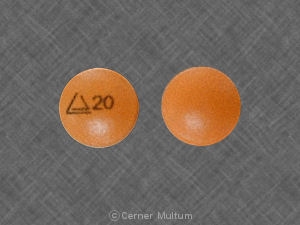
Overdose
After oral administration of MEVACOR to mice, the median
lethal dose observed was > 15 g/m².
Five healthy human volunteers have received up to 200 mg
of lovastatin as a single dose without clinically significant adverse experiences.
A few cases of accidental overdosage have been reported; no patients had any
specific symptoms, and all patients recovered without sequelae. The maximum
dose taken was 5-6 g.
Until further experience is obtained, no specific
treatment of overdosage with MEVACOR can be recommended.
The dialyzability of lovastatin and its metabolites in
man is not known at present.
Contraindications
Hypersensitivity to any component of this medication.
Active liver disease or unexplained persistent elevations
of serum transaminases (see WARNINGS).
Concomitant administration with strong CYP3A4 inhibitors
(e.g., itraconazole, ketoconazole, posaconazole, voriconazole, HIV protease
inhibitors, boceprevir, telaprevir, erythromycin, clarithromycin, telithromycin
and nefazodone) (see WARNINGS, Myopathy/Rhabdomyolysis).
Pregnancy and lactation (see PRECAUTIONS, Pregnancy
and Nursing Mothers). Atherosclerosis is a chronic process and the
discontinuation of lipid-lowering drugs during pregnancy should have little
impact on the outcome of long-term therapy of primary hypercholesterolemia.
Moreover, cholesterol and other products of the cholesterol biosynthesis
pathway are essential components for fetal development, including synthesis of
steroids and cell membranes. Because of the ability of inhibitors of HMG-CoA reductase
such as MEVACOR to decrease the synthesis of cholesterol and possibly other
products of the cholesterol biosynthesis pathway, MEVACOR is contraindicated
during pregnancy and in nursing mothers. MEVACOR should be administered to
women of childbearing age only when such patients are highly unlikely to
conceive. If the patient becomes pregnant while taking this drug, MEVACOR
should be discontinued immediately and the patient should be apprised of the
potential hazard to the fetus (see PRECAUTIONS, Pregnancy).
Undesirable effects
MEVACOR is generally well tolerated; adverse reactions
usually have been mild and transient.
Phase III Clinical Studies
In Phase III controlled clinical studies involving 613
patients treated with MEVACOR, the adverse experience profile was similar to that
shown below for the 8,245-patient EXCEL study (see Expanded Clinical
Evaluation of Lovastatin [EXCEL] Study).
Persistent increases of serum transaminases have been
noted (see WARNINGS, Liver Dysfunction). About 11% of patients
had elevations of CK levels of at least twice the normal value on one or more occasions.
The corresponding values for the control agent cholestyramine was 9 percent.
This was attributable to the noncardiac fraction of CK. Large increases in CK
have sometimes been reported (see WARNINGS, Myopathy/Rhabdomyolysis).
Expanded Clinical Evaluation of Lovastatin (EXCEL) Study
MEVACOR was compared to placebo in 8,245 patients with
hypercholesterolemia (total-C 240-300 mg/dL [6.2-7.8 mmol/L]) in the
randomized, double-blind, parallel, 48-week EXCEL study. Clinical adverse
experiences reported as possibly, probably or definitely drug-related in ≥ 1%
in any treatment group are shown in the table below. For no event was the
incidence on drug and placebo statistically different.
| |
Placebo
(N = 1663) % |
MEVACOR 20 mg q.p.m.
(N = 1642) % |
MEVACOR 40 mg q.p.m.
(N = 1645) % |
MEVACOR 20 mg b.i.d.
(N = 1646) % |
MEVACOR 40 mg b.i.d.
(N = 1649) % |
| Body As a Whole |
| Asthenia |
1.4 |
1.7 |
1.4 |
1.5 |
1.2 |
| Gastrointestinal |
| Abdominal pain |
1.6 |
2.0 |
2.0 |
2.2 |
2.5 |
| Constipation |
1.9 |
2.0 |
3.2 |
3.2 |
3.5 |
| Diarrhea |
2.3 |
2.6 |
2.4 |
2.2 |
2.6 |
| Dyspepsia |
1.9 |
1.3 |
1.3 |
1.0 |
1.6 |
| Flatulence |
4.2 |
3.7 |
4.3 |
3.9 |
4.5 |
| Nausea |
2.5 |
1.9 |
2.5 |
2.2 |
2.2 |
| Musculoskeletal |
| Muscle cramps |
0.5 |
0.6 |
0.8 |
1.1 |
1.0 |
| Myalgia |
1.7 |
2.6 |
1.8 |
2.2 |
3.0 |
| Nervous System/ Psychiatric |
| Dizziness |
0.7 |
0.7 |
1.2 |
0.5 |
0.5 |
| Headache |
2.7 |
2.6 |
2.8 |
2.1 |
3.2 |
| Skin |
| Rash |
0.7 |
0.8 |
1.0 |
1.2 |
1.3 |
| Special Senses |
| Blurred vision |
0.8 |
1.1 |
0.9 |
0.9 |
1.2 |
Other clinical adverse experiences reported as possibly,
probably or definitely drug-related in 0.5 to 1.0 percent of patients in any
drug-treated group are listed below. In all these cases the incidence on drug
and placebo was not statistically different. Body as a Whole: chest pain; Gastrointestinal:
acid regurgitation, dry mouth, vomiting; Musculoskeletal: leg pain, shoulder
pain, arthralgia; Nervous System/Psychiatric: insomnia, paresthesia; Skin: alopecia,
pruritus; Special Senses: eye irritation.
In the EXCEL study (see CLINICAL PHARMACOLOGY, Clinical
Studies), 4.6% of the patients treated up to 48 weeks were discontinued due
to clinical or laboratory adverse experiences which were rated by the
investigator as possibly, probably or definitely related to therapy with
MEVACOR. The value for the placebo group was 2.5%.
Air Force/Texas Coronary Atherosclerosis Prevention Study
(AFCAPS/TexCAPS)
In AFCAPS/TexCAPS (see CLINICAL PHARMACOLOGY, Clinical
Studies) involving 6,605 participants treated with 20-40 mg/day of MEVACOR
(n=3,304) or placebo (n=3,301), the safety and tolerability profile of the
group treated with MEVACOR was comparable to that of the group treated with placebo
during a median of 5.1 years of follow-up. The adverse experiences reported in AFCAPS/TexCAPS
were similar to those reported in EXCEL (see ADVERSE REACTIONS, Expanded
Clinical Evaluation of Lovastatin (EXCEL) Study).
Concomitant Therapy
In controlled clinical studies in which lovastatin was
administered concomitantly with cholestyramine, no adverse reactions peculiar
to this concomitant treatment were observed. The adverse reactions that occurred
were limited to those reported previously with lovastatin or cholestyramine.
Other lipid-lowering agents were not administered concomitantly with lovastatin
during controlled clinical studies. Preliminary data suggests that the addition
of gemfibrozil to therapy with lovastatin is not associated with greater reduction
in LDL-C than that achieved with lovastatin alone. In uncontrolled clinical
studies, most of the patients who have developed myopathy were receiving
concomitant therapy with cyclosporine, gemfibrozil or niacin (nicotinic acid).
The combined use of lovastatin with cyclosporine or gemfibrozil should be
avoided. Caution should be used when prescribing other fibrates or
lipid-lowering doses ( ≥ 1 g/day) of niacin with lovastatin (see WARNINGS,
Myopathy/Rhabdomyolysis).
The following effects have been reported with drugs in
this class. Not all the effects listed below have necessarily been associated
with lovastatin therapy.
Skeletal: muscle cramps, myalgia, myopathy,
rhabdomyolysis, arthralgias.
There have been rare reports of immune-mediated
necrotizing myopathy associated with statin use (see WARNINGS, Myopathy/Rhabdomyolysis).
Neurological: dysfunction of certain cranial
nerves (including alteration of taste, impairment of extraocular movement,
facial paresis), tremor, dizziness, vertigo, paresthesia, peripheral
neuropathy, peripheral nerve palsy, psychic disturbances, anxiety, insomnia,
depression.
There have been rare postmarketing reports of cognitive
impairment (e.g., memory loss, forgetfulness, amnesia, memory impairment,
confusion) associated with statin use. These cognitive issues have been reported
for all statins. The reports are generally nonserious, and reversible upon
statin discontinuation, with variable times to symptom onset (1 day to years)
and symptom resolution (median of 3 weeks).
Hypersensitivity Reactions: An apparent
hypersensitivity syndrome has been reported rarely which has included one or
more of the following features: anaphylaxis, angioedema, lupus
erythematous-like syndrome, polymyalgia rheumatica, dermatomyositis,
vasculitis, purpura, thrombocytopenia, leukopenia, hemolytic anemia, positive
ANA, ESR increase, eosinophilia, arthritis, arthralgia, urticaria, asthenia, photosensitivity,
fever, chills, flushing, malaise, dyspnea, toxic epidermal necrolysis, erythema
multiforme, including Stevens-Johnson syndrome.
Gastrointestinal: pancreatitis, hepatitis,
including chronic active hepatitis, cholestatic jaundice, fatty change in
liver; and rarely, cirrhosis, fulminant hepatic necrosis, and hepatoma;
anorexia, vomiting, fatal and non-fatal hepatic failure.
Skin: alopecia, pruritus. A variety of skin
changes (e.g., nodules, discoloration, dryness of skin/mucous membranes, changes
to hair/nails) have been reported.
Reproductive: gynecomastia, loss of libido,
erectile dysfunction.
Eye: progression of cataracts (lens opacities),
ophthalmoplegia.
Laboratory Abnormalities
elevated transaminases,
alkaline phosphatase, γ-glutamyl transpeptidase, and bilirubin; thyroid
function abnormalities.
Adolescent Patients (ages 10-17 years)
In a 48-week controlled study in adolescent boys with
heFH (n=132) and a 24-week controlled study in girls who were at least 1 year
post-menarche with heFH (n=54), the safety and tolerability profile of the groups
treated with MEVACOR (10 to 40 mg daily) was generally similar to that of the
groups treated with placebo (see CLINICAL PHARMACOLOGY, Clinical
Studies in Adolescent Patients and PRECAUTIONS, Pediatric Use).
Therapeutic indications
Therapy with MEVACOR should be a component of multiple
risk factor intervention in those individuals with dyslipidemia at risk for
atherosclerotic vascular disease. MEVACOR should be used in addition to a diet
restricted in saturated fat and cholesterol as part of a treatment strategy to
lower total-C and LDL-C to target levels when the response to diet and other
nonpharmacological measures alone has been inadequate to reduce risk.
Primary Prevention of Coronary Heart Disease
In individuals without symptomatic cardiovascular
disease, average to moderately elevated total-C and LDL-C, and below average
HDL-C, MEVACOR is indicated to reduce the risk of:
- Myocardial infarction
- Unstable angina
- Coronary revascularization procedures (See CLINICAL
PHARMACOLOGY, Clinical Studies.)
Coronary Heart Disease
MEVACOR is indicated to slow the progression of coronary atherosclerosis in patients with coronary heart disease as part of a treatment
strategy to lower total-C and LDL-C to target levels.
Hypercholesterolemia
Therapy with lipid-altering agents should be a component
of multiple risk factor intervention in those individuals at significantly
increased risk for atherosclerotic vascular disease due to hypercholesterolemia.
MEVACOR is indicated as an adjunct to diet for the reduction of elevated
total-C and LDL-C levels in patients with primary hypercholesterolemia (Types
IIa and IIb2), when the response to diet restricted in saturated fat
and cholesterol and to other nonpharmacological measures alone has been
inadequate.
Adolescent Patients with Heterozygous Familial
Hypercholesterolemia
MEVACOR is indicated as an adjunct to diet to reduce
total-C, LDL-C and apolipoprotein B levels in adolescent boys and girls who are
at least one year post-menarche, 10-17 years of age, with heFH if after an
adequate trial of diet therapy the following findings are present:
1. LDL-C remains > 189 mg/dL or
| Type |
Lipoproteins elevated |
Lipid Elevations |
| major |
minor |
| I |
chylomicrons |
TG |
↑→C |
| I Ia |
LDL |
C |
— |
| I Ib |
LDL, VLDL |
C |
TG |
| III (rare) |
IDL |
C/TG |
— |
| IV |
VLDL |
TG |
↑→C |
| V (rare) |
chylomicrons, VLDL |
TG |
↑→C |
| IDL = intermediate-density lipoprotein. |
2. LDL-C remains > 160 mg/dL and:
- there is a positive family history of premature
cardiovascular disease or
- two or more other CVD risk factors are present in the
adolescent patient
General Recommendations
Prior to initiating therapy with lovastatin, secondary
causes for hypercholesterolemia (e.g., poorly controlled diabetes mellitus,
hypothyroidism, nephrotic syndrome, dysproteinemias, obstructive liver disease,
other drug therapy, alcoholism) should be excluded, and a lipid profile
performed to measure total-C, HDL-C, and TG. For patients with TG less than 400
mg/dL ( < 4.5 mmol/L), LDL-C can be estimated using the following equation:
LDL-C = total-C – [0.2 × (TG) + HDL-C]
For TG levels > 400 mg/dL ( > 4.5 mmol/L), this
equation is less accurate and LDL-C concentrations should be determined by
ultracentrifugation. In hypertriglyceridemic patients, LDL-C may be low or normal
despite elevated total-C. In such cases, MEVACOR is not indicated.
The National Cholesterol Education Program (NCEP)
Treatment Guidelines are summarized below:
NCEP Treatment Guidelines: LDL-C Goals and Cutpoints
for Therapeutic Lifestyle Changes and Drug Therapy in Different Risk Categories
| Risk Category |
LDL Goal (mg/dL) |
LDL Level at Which to Initiate Therapeutic Lifestyle Changes (mg/dL) |
LDL Level at Which to Consider Drug Therapy (mg/dL) |
| CHD* or CHD risk equivalents (10-year risk > 20%) |
< 100 |
≥ 100 |
≥ 130 (100-129: drug optional†† |
| 2+ Risk factors (10 year risk ≤ 20%) |
< 130 |
≥ 130 |
10-year risk 10-20%: ≥ 130 10-year risk < 10%: ≥ 160 |
| 0-1 Risk factor††† |
< 160 |
≥ 160 |
>190 (160-189: LDL-lowering drug optional) |
† CHD, coronary heart disease
†† Some authorities recommend use of LDL-lowering drugs in this category if an
LDL-C level of < 100 mg/dL cannot be achieved by therapeutic lifestyle
changes. Others prefer use of drugs that primarily modify triglycerides and
HDL-C, e.g., nicotinic acid or fibrate. Clinical judgment also may call for
deferring drug therapy in this subcategory.
††† Almost all people with 0-1 risk factor have a 10-year risk < 10%; thus,
10-year risk assessment in people with 0-1 risk factor is not necessary. |
After the LDL-C goal has been achieved, if the TG is
still ≥ 200 mg/dL, non-HDL-C (total-C minus HDLC) becomes a secondary
target of therapy. Non-HDL-C goals are set 30 mg/dL higher than LDL-C goals for
each risk category.
At the time of hospitalization for an acute coronary
event, consideration can be given to initiating drug therapy at discharge if
the LDL-C is ≥ 130 mg/dL (see NCEP Guidelines above).
Since the goal of treatment is to lower LDL-C, the NCEP
recommends that LDL-C levels be used to initiate and assess treatment response.
Only if LDL-C levels are not available, should the total-C be used to monitor
therapy.
Although MEVACOR may be useful to reduce elevated LDL-C
levels in patients with combined hypercholesterolemia and hypertriglyceridemia
where hypercholesterolemia is the major abnormality (Type IIb hyperlipoproteinemia),
it has not been studied in conditions where the major abnormality is elevation
of chylomicrons, VLDL or IDL (i.e., hyperlipoproteinemia types I, III, IV, or
V).2 The NCEP classification of cholesterol levels in pediatric
patients with a familial history of hypercholesterolemia or premature
cardiovascular disease is summarized below:
| Category |
Total-C (mg/dL) |
LDL-C (mg/dL) |
| Acceptable |
< 170 |
< 110 |
| Borderline |
170-199 |
110-129 |
| High |
≥ 200 |
≥ 130 |
Children treated with lovastatin in adolescence should be
re-evaluated in adulthood and appropriate changes made to their
cholesterol-lowering regimen to achieve adult goals for LDL-C.
Pharmacokinetic properties
,
WARNINGS,
Myopathy/Rhabdomyolysis,
PRECAUTIONS: DRUG
INTERACTIONS,
Other Drug Interactions).
Dosage in Patients taking Amiodarone
In patients taking amiodarone concomitantly with MEVACOR,
the dose should not exceed 40 mg/day (see WARNINGS, Myopathy/Rhabdomyolysis
and PRECAUTIONS: DRUG INTERACTIONS, Other Drug Interactions).
Adolescent Patients (10-17 years of age) with
Heterozygous Familial Hypercholesterolemia
The recommended dosing range of lovastatin is 10-40 mg/day;
the maximum recommended dose is 40 mg/day. Doses should be individualized
according to the recommended goal of therapy (see NCEP Pediatric Panel
Guidelines4, CLINICAL PHARMACOLOGY, and INDICATIONS
AND USAGE). Patients requiring reductions in LDL-C of 20% or more to
achieve their goal should be started on 20 mg/day of MEVACOR. A starting dose
of 10 mg of lovastatin may be considered for patients requiring smaller reductions.
Adjustments should be made at intervals of 4 weeks or more.
Concomitant Lipid-Lowering Therapy
MEVACOR is effective alone or when used concomitantly
with bile-acid sequestrants (see WARNINGS, Myopathy/Rhabdomyolysis
and PRECAUTIONS: DRUG INTERACTIONS).
Dosage in Patients with Renal Insufficiency
In patients with severe renal insufficiency (creatinine
clearance < 30 mL/min), dosage increases above 20 mg/day should be carefully
considered and, if deemed necessary, implemented cautiously (see CLINICAL
PHARMACOLOGY and WARNINGS, Myopathy/Rhabdomyolysis).
HOW SUPPLIED
No. 8123 — Tablets MEVACOR 20 mg are blue, octagonal
tablets, coded MSD 731 on one side and plain on the other. They are supplied as
follows:
NDC 0006-0731-61 unit of use bottles of 60.
No. 8124 — Tablets MEVACOR 40 mg are green, octagonal
tablets, coded MSD 732 on one side and plain on the other. They are supplied as
follows:
NDC 0006-0732-61 unit of use bottles of 60.
Storage
Store at 20-25°C (68-77°F). Tablets MEVACOR must be protected from light and stored in a
well-closed, light-resistant container.
REFERENCES
2 Classification of Hyperlipoproteinemias
4 National Cholesterol Education Program
(NCEP): Highlights of the Report of the Expert Panel on Blood Cholesterol
Levels in Children and Adolescents. Pediatrics. 89(3):495-501. 1992.
By: Mylan Pharmaceuticals Inc. Morgantown, WV 26505, USA OR
Mylan Pharmaceuticals ULC, Etobicoke, Ontario, Canada M8Z 2S6. Revised: 10/2012
Side Effects & Drug Interactions
SIDE EFFECTS
MEVACOR is generally well tolerated; adverse reactions
usually have been mild and transient.
Phase III Clinical Studies
In Phase III controlled clinical studies involving 613
patients treated with MEVACOR, the adverse experience profile was similar to that
shown below for the 8,245-patient EXCEL study (see Expanded Clinical
Evaluation of Lovastatin [EXCEL] Study).
Persistent increases of serum transaminases have been
noted (see WARNINGS, Liver Dysfunction). About 11% of patients
had elevations of CK levels of at least twice the normal value on one or more occasions.
The corresponding values for the control agent cholestyramine was 9 percent.
This was attributable to the noncardiac fraction of CK. Large increases in CK
have sometimes been reported (see WARNINGS, Myopathy/Rhabdomyolysis).
Expanded Clinical Evaluation of Lovastatin (EXCEL) Study
MEVACOR was compared to placebo in 8,245 patients with
hypercholesterolemia (total-C 240-300 mg/dL [6.2-7.8 mmol/L]) in the
randomized, double-blind, parallel, 48-week EXCEL study. Clinical adverse
experiences reported as possibly, probably or definitely drug-related in ≥ 1%
in any treatment group are shown in the table below. For no event was the
incidence on drug and placebo statistically different.
| |
Placebo
(N = 1663) % |
MEVACOR 20 mg q.p.m.
(N = 1642) % |
MEVACOR 40 mg q.p.m.
(N = 1645) % |
MEVACOR 20 mg b.i.d.
(N = 1646) % |
MEVACOR 40 mg b.i.d.
(N = 1649) % |
| Body As a Whole |
| Asthenia |
1.4 |
1.7 |
1.4 |
1.5 |
1.2 |
| Gastrointestinal |
| Abdominal pain |
1.6 |
2.0 |
2.0 |
2.2 |
2.5 |
| Constipation |
1.9 |
2.0 |
3.2 |
3.2 |
3.5 |
| Diarrhea |
2.3 |
2.6 |
2.4 |
2.2 |
2.6 |
| Dyspepsia |
1.9 |
1.3 |
1.3 |
1.0 |
1.6 |
| Flatulence |
4.2 |
3.7 |
4.3 |
3.9 |
4.5 |
| Nausea |
2.5 |
1.9 |
2.5 |
2.2 |
2.2 |
| Musculoskeletal |
| Muscle cramps |
0.5 |
0.6 |
0.8 |
1.1 |
1.0 |
| Myalgia |
1.7 |
2.6 |
1.8 |
2.2 |
3.0 |
| Nervous System/ Psychiatric |
| Dizziness |
0.7 |
0.7 |
1.2 |
0.5 |
0.5 |
| Headache |
2.7 |
2.6 |
2.8 |
2.1 |
3.2 |
| Skin |
| Rash |
0.7 |
0.8 |
1.0 |
1.2 |
1.3 |
| Special Senses |
| Blurred vision |
0.8 |
1.1 |
0.9 |
0.9 |
1.2 |
Other clinical adverse experiences reported as possibly,
probably or definitely drug-related in 0.5 to 1.0 percent of patients in any
drug-treated group are listed below. In all these cases the incidence on drug
and placebo was not statistically different. Body as a Whole: chest pain; Gastrointestinal:
acid regurgitation, dry mouth, vomiting; Musculoskeletal: leg pain, shoulder
pain, arthralgia; Nervous System/Psychiatric: insomnia, paresthesia; Skin: alopecia,
pruritus; Special Senses: eye irritation.
In the EXCEL study (see CLINICAL PHARMACOLOGY, Clinical
Studies), 4.6% of the patients treated up to 48 weeks were discontinued due
to clinical or laboratory adverse experiences which were rated by the
investigator as possibly, probably or definitely related to therapy with
MEVACOR. The value for the placebo group was 2.5%.
Air Force/Texas Coronary Atherosclerosis Prevention Study
(AFCAPS/TexCAPS)
In AFCAPS/TexCAPS (see CLINICAL PHARMACOLOGY, Clinical
Studies) involving 6,605 participants treated with 20-40 mg/day of MEVACOR
(n=3,304) or placebo (n=3,301), the safety and tolerability profile of the
group treated with MEVACOR was comparable to that of the group treated with placebo
during a median of 5.1 years of follow-up. The adverse experiences reported in AFCAPS/TexCAPS
were similar to those reported in EXCEL (see ADVERSE REACTIONS, Expanded
Clinical Evaluation of Lovastatin (EXCEL) Study).
Concomitant Therapy
In controlled clinical studies in which lovastatin was
administered concomitantly with cholestyramine, no adverse reactions peculiar
to this concomitant treatment were observed. The adverse reactions that occurred
were limited to those reported previously with lovastatin or cholestyramine.
Other lipid-lowering agents were not administered concomitantly with lovastatin
during controlled clinical studies. Preliminary data suggests that the addition
of gemfibrozil to therapy with lovastatin is not associated with greater reduction
in LDL-C than that achieved with lovastatin alone. In uncontrolled clinical
studies, most of the patients who have developed myopathy were receiving
concomitant therapy with cyclosporine, gemfibrozil or niacin (nicotinic acid).
The combined use of lovastatin with cyclosporine or gemfibrozil should be
avoided. Caution should be used when prescribing other fibrates or
lipid-lowering doses ( ≥ 1 g/day) of niacin with lovastatin (see WARNINGS,
Myopathy/Rhabdomyolysis).
The following effects have been reported with drugs in
this class. Not all the effects listed below have necessarily been associated
with lovastatin therapy.
Skeletal: muscle cramps, myalgia, myopathy,
rhabdomyolysis, arthralgias.
There have been rare reports of immune-mediated
necrotizing myopathy associated with statin use (see WARNINGS, Myopathy/Rhabdomyolysis).
Neurological: dysfunction of certain cranial
nerves (including alteration of taste, impairment of extraocular movement,
facial paresis), tremor, dizziness, vertigo, paresthesia, peripheral
neuropathy, peripheral nerve palsy, psychic disturbances, anxiety, insomnia,
depression.
There have been rare postmarketing reports of cognitive
impairment (e.g., memory loss, forgetfulness, amnesia, memory impairment,
confusion) associated with statin use. These cognitive issues have been reported
for all statins. The reports are generally nonserious, and reversible upon
statin discontinuation, with variable times to symptom onset (1 day to years)
and symptom resolution (median of 3 weeks).
Hypersensitivity Reactions: An apparent
hypersensitivity syndrome has been reported rarely which has included one or
more of the following features: anaphylaxis, angioedema, lupus
erythematous-like syndrome, polymyalgia rheumatica, dermatomyositis,
vasculitis, purpura, thrombocytopenia, leukopenia, hemolytic anemia, positive
ANA, ESR increase, eosinophilia, arthritis, arthralgia, urticaria, asthenia, photosensitivity,
fever, chills, flushing, malaise, dyspnea, toxic epidermal necrolysis, erythema
multiforme, including Stevens-Johnson syndrome.
Gastrointestinal: pancreatitis, hepatitis,
including chronic active hepatitis, cholestatic jaundice, fatty change in
liver; and rarely, cirrhosis, fulminant hepatic necrosis, and hepatoma;
anorexia, vomiting, fatal and non-fatal hepatic failure.
Skin: alopecia, pruritus. A variety of skin
changes (e.g., nodules, discoloration, dryness of skin/mucous membranes, changes
to hair/nails) have been reported.
Reproductive: gynecomastia, loss of libido,
erectile dysfunction.
Eye: progression of cataracts (lens opacities),
ophthalmoplegia.
Laboratory Abnormalities
elevated transaminases,
alkaline phosphatase, γ-glutamyl transpeptidase, and bilirubin; thyroid
function abnormalities.
Adolescent Patients (ages 10-17 years)
In a 48-week controlled study in adolescent boys with
heFH (n=132) and a 24-week controlled study in girls who were at least 1 year
post-menarche with heFH (n=54), the safety and tolerability profile of the groups
treated with MEVACOR (10 to 40 mg daily) was generally similar to that of the
groups treated with placebo (see CLINICAL PHARMACOLOGY, Clinical
Studies in Adolescent Patients and PRECAUTIONS, Pediatric Use).
DRUG INTERACTIONS
CYP3A4 Interactions
Lovastatin is metabolized by CYP3A4 but has no CYP3A4
inhibitory activity; therefore it is not expected to affect the plasma
concentrations of other drugs metabolized by CYP3A4. Strong inhibitors of CYP3A4
(e.g., itraconazole, ketoconazole, posaconazole, voriconazole, clarithromycin,
telithromycin, HIV protease inhibitors, boceprevir, telaprevir, nefazodone, and
erythromycin), and grapefruit juice increase the risk of myopathy by reducing
the elimination of lovastatin. (See CONTRAINDICATIONS, WARNINGS, Myopathy/Rhabdomyolysis,
and CLINICAL PHARMACOLOGY, Pharmacokinetics.)
Interactions With Lipid-Lowering Drugs That Can Cause
Myopathy When Given Alone
The risk of myopathy is also increased by the following
lipid-lowering drugs that are not strong CYP3A4 inhibitors, but which can cause
myopathy when given alone.
See WARNINGS, Myopathy/Rhabdomyolysis.
Gemfibrozil
Other fibrates
Niacin (nicotinic acid) ( ≥ 1 g/day)
Other Drug Interactions
Cyclosporine: The risk of myopathy/rhabdomyolysis
is increased by concomitant administration of cyclosporine (see WARNINGS,
Myopathy/Rhabdomyolysis).
Danazol, Diltiazem, Dronedarone or Verapamil: The
risk of myopathy/rhabdomyolysis is increased by concomitant administration of
danazol, diltiazem, dronedarone or verapamil particularly with higher doses of
lovastatin (see WARNINGS, Myopathy/Rhabdomyolysis; CLINICAL
PHARMACOLOGY, Pharmacokinetics).
Amiodarone: The risk of myopathy/rhabdomyolysis is
increased when amiodarone is used concomitantly with a closely related member
of the HMG-CoA reductase inhibitor class (see WARNINGS, Myopathy/Rhabdomyolysis).
Coumarin Anticoagulants: In a small clinical trial
in which lovastatin was administered to warfarin treated patients, no effect on
prothrombin time was detected. However, another HMG-CoA reductase inhibitor has
been found to produce a less than two-second increase in prothrombin time in
healthy volunteers receiving low doses of warfarin. Also, bleeding and/or
increased prothrombin time have been reported in a few patients taking coumarin
anticoagulants concomitantly with lovastatin. It is recommended that in
patients taking anticoagulants, prothrombin time be determined before starting lovastatin
and frequently enough during early therapy to insure that no significant
alteration of prothrombin time occurs. Once a stable prothrombin time has been
documented, prothrombin times can be monitored at the intervals usually
recommended for patients on coumarin anticoagulants. If the dose of lovastatin
is changed, the same procedure should be repeated. Lovastatin therapy has not
been associated with bleeding or with changes in prothrombin time in patients
not taking anticoagulants.
Colchicine: Cases of myopathy, including
rhabdomyolysis, have been reported with lovastatin coadministered with
colchicine. See WARNINGS, Myopathy/Rhabdomyolysis.
Ranolazine: The risk of myopathy, including
rhabdomyolysis, may be increased by concomitant administration of ranolazine.
See WARNINGS, Myopathy/Rhabdomyolysis.
Propranolol: In normal volunteers, there was no
clinically significant pharmacokinetic or pharmacodynamic interaction with
concomitant administration of single doses of lovastatin and propranolol.
Digoxin: In patients with hypercholesterolemia,
concomitant administration of lovastatin and digoxin resulted in no effect on
digoxin plasma concentrations.
Oral Hypoglycemic Agents: In pharmacokinetic
studies of MEVACOR in hypercholesterolemic noninsulin dependent diabetic
patients, there was no drug interaction with glipizide or with chlorpropamide (see
CLINICAL PHARMACOLOGY, Clinical Studies).
Endocrine Function
Increases in HbA1c and fasting serum glucose levels have
been reported with HMG-CoA reductase inhibitors, including MEVACOR.
HMG-CoA reductase inhibitors interfere with cholesterol
synthesis and as such might theoretically blunt adrenal and/or gonadal steroid
production. Results of clinical trials with drugs in this class have been
inconsistent with regard to drug effects on basal and reserve steroid levels.
However, clinical studies have shown that lovastatin does not reduce basal
plasma cortisol concentration or impair adrenal reserve, and does not reduce
basal plasma testosterone concentration. Another HMG-CoA reductase inhibitor
has been shown to reduce the plasma testosterone response to HCG. In the same
study, the mean testosterone response to HCG was slightly but not significantly
reduced after treatment with lovastatin 40 mg daily for 16 weeks in 21 men. The
effects of HMG-CoA reductase inhibitors on male fertility have not been studied
in adequate numbers of male patients. The effects, if any, on the
pituitarygonadal axis in pre-menopausal women are unknown. Patients treated
with lovastatin who develop clinical evidence of endocrine dysfunction should
be evaluated appropriately. Caution should also be exercised if an HMG-CoA
reductase inhibitor or other agent used to lower cholesterol levels is administered
to patients also receiving other drugs (e.g., spironolactone, cimetidine) that
may decrease the levels or activity of endogenous steroid hormones.
CNS Toxicity
Lovastatin produced optic nerve degeneration (Wallerian
degeneration of retinogeniculate fibers) in clinically normal dogs in a dose-dependent
fashion starting at 60 mg/kg/day, a dose that produced mean plasma drug levels
about 30 times higher than the mean drug level in humans taking the highest recommended
dose (as measured by total enzyme inhibitory activity). Vestibulocochlear Wallerian-like
degeneration and retinal ganglion cell chromatolysis were also seen in dogs
treated for 14 weeks at 180 mg/kg/day, a dose which resulted in a mean plasma
drug level (Cmax) similar to that seen with the 60 mg/kg/day dose.
CNS vascular lesions, characterized by perivascular
hemorrhage and edema, mononuclear cell infiltration of perivascular spaces,
perivascular fibrin deposits and necrosis of small vessels, were seen in dogs
treated with lovastatin at a dose of 180 mg/kg/day, a dose which produced
plasma drug levels (Cmax) which were about 30 times higher than the mean values
in humans taking 80 mg/day.
Similar optic nerve and CNS vascular lesions have been
observed with other drugs of this class.
Cataracts were seen in dogs treated for 11 and 28 weeks
at 180 mg/kg/day and 1 year at 60 mg/kg/day.
Warnings & Precautions
WARNINGS
Myopathy/Rhabdomyolysis
Lovastatin, like other inhibitors of HMG-CoA reductase,
occasionally causes myopathy manifested as muscle pain, tenderness or weakness
with creatine kinase (CK) above ten times the upper limit of normal (ULN). Myopathy
sometimes takes the form of rhabdomyolysis with or without acute renal failure secondary
to myoglobinuria, and rare fatalities have occurred. The risk of myopathy is
increased by high levels of HMG-CoA reductase inhibitory activity in plasma.
As with other HMG-CoA reductase inhibitors, the risk
of myopathy/rhabdomyolysis is dose related. In a clinical study (EXCEL) in
which patients were carefully monitored and some interacting drugs were
excluded, there was one case of myopathy among 4933 patients randomized to
lovastatin 20- 40 mg daily for 48 weeks, and 4 among 1649 patients randomized
to 80 mg daily.
There have been rare reports of immune-mediated
necrotizing myopathy (IMNM), an autoimmune myopathy, associated with statin
use. IMNM is characterized by: proximal muscle weakness and elevated serum
creatine kinase, which persist despite discontinuation of statin treatment;
muscle biopsy showing necrotizing myopathy without significant inflammation;
improvement with immunosuppressive agents.
All patients starting therapy with MEVACOR, or whose
dose of MEVACOR is being increased, should be advised of the risk of myopathy
and told to report promptly any unexplained muscle pain, tenderness or weakness
particularly if accompanied by malaise or fever or if muscle signs and symptoms
persist after discontinuing MEVACOR. MEVACOR therapy should be discontinued immediately
if myopathy is diagnosed or suspected. In most cases, muscle symptoms and
CK increases resolved when treatment was promptly discontinued. Periodic CK
determinations may be considered in patients starting therapy with MEVACOR or
whose dose is being increased, but there is no assurance that such monitoring
will prevent myopathy.
Many of the patients who have developed rhabdomyolysis on
therapy with lovastatin have had complicated medical histories, including renal
insufficiency usually as a consequence of long-standing diabetes mellitus. Such
patients merit closer monitoring. MEVACOR therapy should be discontinued if markedly
elevated CPK levels occur or myopathy is diagnosed or suspected. MEVACOR
therapy should also be temporarily withheld in any patient experiencing an
acute or serious condition predisposing to the development of renal failure
secondary to rhabdomyolysis, e.g., sepsis; hypotension; major surgery; trauma;
severe metabolic, endocrine, or electrolyte disorders; or uncontrolled
epilepsy.
The risk of myopathy/rhabdomyolysis is increased by
concomitant use of lovastatin with the following:
Strong inhibitors of CYP3A4: Lovastatin, like several
other inhibitors of HMG-CoA reductase, is a substrate of cytochrome P450 3A4
(CYP3A4). Certain drugs which inhibit this metabolic pathway can raise the
plasma levels of lovastatin and may increase the risk of myopathy. These
include itraconazole, ketoconazole, posaconazole, voriconazole, the macrolide
antibiotics erythromycin and clarithromycin, the ketolide antibiotic
telithromycin, HIV protease inhibitors, boceprevir, telaprevir, or the
antidepressant nefazodone. Combination of these drugs with lovastatin is
contraindicated. If short-term treatment with strong CYP3A4 inhibitors is
unavoidable, therapy with lovastatin should be suspended during the course of
treatment (see CONTRAINDICATIONS; PRECAUTIONS: DRUG INTERACTIONS).
Gemfibrozil: The combined use of lovastatin with
gemfibrozil should be avoided.
Other lipid-lowering drugs (other fibrates or ≥ 1
g/day of niacin): Caution should be used when prescribing other fibrates or
lipid-lowering doses ( ≥ 1 g/day) of niacin with lovastatin, as these
agents can cause myopathy when given alone. The benefit of further alterations
in lipid levels by the combined use of lovastatin with other fibrates or niacin
should be carefully weighed against the potential risks of these combinations.
Cyclosporine: The use of lovastatin with
cyclosporine should be avoided.
Danazol, diltiazem, dronedarone or verapamil with higher
doses of lovastatin: The dose of lovastatin should not exceed 20 mg daily
in patients receiving concomitant medication with danazol, diltiazem,
dronedarone, or verapamil. The benefits of the use of lovastatin in patients receiving
danazol, diltiazem, dronedarone, or verapamil should be carefully weighed
against the risks of these combinations.
Amiodarone: The dose of lovastatin should not
exceed 40 mg daily in patients receiving concomitant medication with
amiodarone. The combined use of lovastatin at doses higher than 40 mg daily
with amiodarone should be avoided unless the clinical benefit is likely to
outweigh the increased risk of myopathy. The risk of myopathy/rhabdomyolysis is
increased when amiodarone is used concomitantly with higher doses of a closely
related member of the HMG-CoA reductase inhibitor class.
Colchicine: Cases of myopathy, including
rhabdomyolysis, have been reported with lovastatin coadministered with
colchicine, and caution should be exercised when prescribing lovastatin with colchicine
(see PRECAUTIONS: DRUG INTERACTIONS).
Ranolazine: The risk of myopathy, including
rhabdomyolysis, may be increased by concomitant administration of ranolazine.
Dose adjustment of lovastatin may be considered during coadministration with
ranolazine.
Prescribing recommendations for interacting agents are
summarized in Table VII (see also CLINICAL PHARMACOLOGY, Pharmacokinetics;
PRECAUTIONS: DRUG INTERACTIONS; DOSAGE AND ADMINISTRATION).
Table VII: Drug Interactions Associated with Increased
Risk of Myopathy/Rhabdomyolysis
| Interacting Agents |
Prescribing Recommendations |
Strong CYP3A4 inhibitors, e.g.:
Ketoconazole
Itraconazole
Posaconazole
Voriconazole
Erythromycin
Clarithromycin
Telithromycin
HIV protease inhibitors
Boceprevir
Telaprevir
Nefazodone |
Contraindicated with lovastatin |
Gemfibrozil
Cyclosporine |
Avoid with lovastatin |
Danazol
Diltiazem
Dronedarone
Verapamil |
Do not exceed 20 mg lovastatin daily |
| Amiodarone |
Do not exceed 40 mg lovastatin daily |
| Grapefruit juice |
Avoid grapefruit juice |
Liver Dysfunction
Persistent increases (to more than 3 times the upper
limit of normal) in serum transaminases occurred in 1.9% of adult patients who
received lovastatin for at least one year in early clinical trials (see ADVERSE
REACTIONS). When the drug was interrupted or discontinued in these
patients, the transaminase levels usually fell slowly to pretreatment levels.
The increases usually appeared 3 to 12 months after the start of therapy with
lovastatin, and were not associated with jaundice or other clinical signs or
symptoms. There was no evidence of hypersensitivity. In the EXCEL study (see CLINICAL
PHARMACOLOGY, Clinical Studies), the incidence of persistent
increases in serum transaminases over 48 weeks was 0.1% for placebo, 0.1% at 20
mg/day, 0.9% at 40 mg/day, and 1.5% at 80 mg/day in patients on lovastatin.
However, in post-marketing experience with MEVACOR, symptomatic liver disease has
been reported rarely at all dosages (see ADVERSE REACTIONS).
In AFCAPS/TexCAPS, the number of participants with
consecutive elevations of either alanine aminotransferase (ALT) or aspartate
aminotransferase (AST) ( > 3 times the upper limit of normal), over a median
of 5.1 years of follow-up, was not significantly different between the MEVACOR
and placebo groups (18 [0.6%] vs. 11 [0.3%]). The starting dose of MEVACOR was
20 mg/day; 50% of the MEVACOR treated participants were titrated to 40 mg/day
at Week 18. Of the 18 participants on MEVACOR with consecutive elevations of
either ALT or AST, 11 (0.7%) elevations occurred in participants taking 20 mg/day,
while 7 (0.4%) elevations occurred in participants titrated to 40 mg/day.
Elevated transaminases resulted in discontinuation of 6 (0.2%) participants
from therapy in the MEVACOR group (n=3,304) and 4 (0.1%) in the placebo group
(n=3,301).
It is recommended that liver enzyme tests be obtained
prior to initiating therapy with MEVACOR and repeated as clinically indicated.
There have been rare postmarketing reports of fatal and
non-fatal hepatic failure in patients taking statins, including lovastatin. If
serious liver injury with clinical symptoms and/or hyperbilirubinemia or jaundice
occurs during treatment with MEVACOR, promptly interrupt therapy. If an
alternate etiology is not found do not restart MEVACOR.
The drug should be used with caution in patients who
consume substantial quantities of alcohol and/or have a past history of liver
disease. Active liver disease or unexplained transaminase elevations are contraindications
to the use of lovastatin.
As with other lipid-lowering agents, moderate (less than
three times the upper limit of normal) elevations of serum transaminases have
been reported following therapy with MEVACOR (see ADVERSE REACTIONS).
These changes appeared soon after initiation of therapy with MEVACOR, were often
transient, were not accompanied by any symptoms and interruption of treatment
was not required.
PRECAUTIONS
General
Lovastatin may elevate creatine phosphokinase and
transaminase levels (see WARNINGS and ADVERSE REACTIONS). This
should be considered in the differential diagnosis of chest pain in a patient on
therapy with lovastatin.
Homozygous Familial Hypercholesterolemia
MEVACOR is less effective in patients with the rare
homozygous familial hypercholesterolemia, possibly because these patients have
no functional LDL receptors. MEVACOR appears to be more likely to raise serum
transaminases (see ADVERSE REACTIONS) in these homozygous patients.
Carcinogenesis, Mutagenesis, Impairment of Fertility
In a 21-month carcinogenic study in mice, there was a
statistically significant increase in the incidence of hepatocellular
carcinomas and adenomas in both males and females at 500 mg/kg/day. This dose produced
a total plasma drug exposure 3 to 4 times that of humans given the highest
recommended dose of lovastatin (drug exposure was measured as total HMG-CoA
reductase inhibitory activity in extracted plasma). Tumor increases were not
seen at 20 and 100 mg/kg/day, doses that produced drug exposures of 0.3 to 2
times that of humans at the 80 mg/day dose. A statistically significant
increase in pulmonary adenomas was seen in female mice at approximately 4 times
the human drug exposure. (Although mice were given 300 times the human dose
[HD] on a mg/kg body weight basis, plasma levels of total inhibitory activity
were only 4 times higher in mice than in humans given 80 mg of MEVACOR.)
There was an increase in incidence of papilloma in the
non-glandular mucosa of the stomach of mice beginning at exposures of 1 to 2
times that of humans. The glandular mucosa was not affected. The human stomach
contains only glandular mucosa.
In a 24-month carcinogenicity study in rats, there was a
positive dose response relationship for hepatocellular carcinogenicity in males
at drug exposures between 2-7 times that of human exposure at 80 mg/day (doses
in rats were 5, 30 and 180 mg/kg/day).
An increased incidence of thyroid neoplasms in rats
appears to be a response that has been seen with other HMG-CoA reductase
inhibitors.
A chemically similar drug in this class was administered
to mice for 72 weeks at 25, 100, and 400 mg/kg body weight, which resulted in
mean serum drug levels approximately 3, 15, and 33 times higher than the mean
human serum drug concentration (as total inhibitory activity) after a 40 mg
oral dose. Liver carcinomas were significantly increased in high dose females
and mid- and high dose
Date of revision of the text
10/2012
Name of the medicinal product
Mevacor
Fertility, pregnancy and lactation
Pregnancy Category X
See CONTRAINDICATIONS.
Safety in pregnant women has not been established.
Lovastatin has been shown to produce skeletal
malformations in offspring of pregnant mice and rats dosed during gestation at
80 mg/kg/day (affected mouse fetuses/total: 8/307 compared to 4/289 in the control
group; affected rat fetuses/total: 6/324 compared to 2/308 in the control
group). Female rats dosed before mating through gestation at 80 mg/kg/day also
had fetuses with skeletal malformations (affected fetuses/total: 1/152 compared
to 0/171 in the control group). The 80 mg/kg/day dose in mice is 7 times the
human dose based on body surface area and in rats results in 5 times the human
exposure
based on AUC. In pregnant rats given doses of 2, 20, or
200 mg/kg/day and treated through lactation, the following effects were
observed: neonatal mortality (4.1%, 3.5%, and 46%, respectively, compared to 0.6%
in the control group), decreased pup body weights throughout lactation (up to
5%, 8%, and 38%, respectively, below control), supernumerary ribs in dead pups
(affected fetuses/total: 0/7, 1/17, and 11/79, respectively, compared to 0/5 in
the control group), delays in ossification in dead pups (affected fetuses/total:
0/7, 0/17, and 1/79, respectively, compared to 0/5 in the control group) and
delays in pup development (delays in the appearance of an auditory startle
response at 200 mg/kg/day and free-fall righting reflexes at 20 and 200
mg/kg/day).
Direct dosing of neonatal rats by subcutaneous injection
with 10 mg/kg/day of the open hydroxyacid form of lovastatin resulted in
delayed passive avoidance learning in female rats (mean of 8.3 trials to criterion,
compared to 7.3 and 6.4 in untreated and vehicle-treated controls; no effects
on retention 1 week later) at exposures 4 times the human systemic exposure at
80 mg/day based on AUC. No effect was seen in male rats. No evidence of
malformations was observed when pregnant rabbits were given 5 mg/kg/day (doses
equivalent to a human dose of 80 mg/day based on body surface area) or a
maternally toxic dose of 15 mg/kg/day (3 times the human dose of 80 mg/day
based on body surface area).
Rare clinical reports of congenital anomalies following
intrauterine exposure to HMG-CoA reductase inhibitors have been received.
However, in an analysis3 of greater than 200 prospectively followed pregnancies
exposed during the first trimester to MEVACOR or another closely related
HMG-CoA reductase inhibitor, the incidence of congenital anomalies was
comparable to that seen in the general population. This number of pregnancies
was sufficient to exclude a 3-fold or greater increase in congenital anomalies
over the background incidence.
Maternal treatment with MEVACOR may reduce the fetal
levels of mevalonate, which is a precursor of cholesterol biosynthesis.
Atherosclerosis is a chronic process, and ordinarily discontinuation of
lipidlowering drugs during pregnancy should have little impact on the long-term
risk associated with primary hypercholesterolemia. For these reasons, MEVACOR
should not be used in women who are pregnant, or can become pregnant (see CONTRAINDICATIONS).
MEVACOR should be administered to women of child-bearing potential only when
such patients are highly unlikely to conceive and have been informed of the
potential hazards. Treatment should be immediately discontinued as soon as
pregnancy is recognized.
Qualitative and quantitative composition
No. 8123 — Tablets MEVACOR 20 mg are blue, octagonal
tablets, coded MSD 731 on one side and plain on the other. They are supplied as
follows:
NDC 0006-0731-61 unit of use bottles of 60.
No. 8124 — Tablets MEVACOR 40 mg are green, octagonal
tablets, coded MSD 732 on one side and plain on the other. They are supplied as
follows:
NDC 0006-0732-61 unit of use bottles of 60.
Storage
Store at 20-25°C (68-77°F). Tablets MEVACOR must be protected from light and stored in a
well-closed, light-resistant container.
REFERENCES
2 Classification of Hyperlipoproteinemias
4 National Cholesterol Education Program
(NCEP): Highlights of the Report of the Expert Panel on Blood Cholesterol
Levels in Children and Adolescents. Pediatrics. 89(3):495-501. 1992.
By: Mylan Pharmaceuticals Inc. Morgantown, WV 26505, USA OR
Mylan Pharmaceuticals ULC, Etobicoke, Ontario, Canada M8Z 2S6. Revised: 10/2012
Special warnings and precautions for use
WARNINGS
Myopathy/Rhabdomyolysis
Lovastatin, like other inhibitors of HMG-CoA reductase,
occasionally causes myopathy manifested as muscle pain, tenderness or weakness
with creatine kinase (CK) above ten times the upper limit of normal (ULN). Myopathy
sometimes takes the form of rhabdomyolysis with or without acute renal failure secondary
to myoglobinuria, and rare fatalities have occurred. The risk of myopathy is
increased by high levels of HMG-CoA reductase inhibitory activity in plasma.
As with other HMG-CoA reductase inhibitors, the risk
of myopathy/rhabdomyolysis is dose related. In a clinical study (EXCEL) in
which patients were carefully monitored and some interacting drugs were
excluded, there was one case of myopathy among 4933 patients randomized to
lovastatin 20- 40 mg daily for 48 weeks, and 4 among 1649 patients randomized
to 80 mg daily.
There have been rare reports of immune-mediated
necrotizing myopathy (IMNM), an autoimmune myopathy, associated with statin
use. IMNM is characterized by: proximal muscle weakness and elevated serum
creatine kinase, which persist despite discontinuation of statin treatment;
muscle biopsy showing necrotizing myopathy without significant inflammation;
improvement with immunosuppressive agents.
All patients starting therapy with MEVACOR, or whose
dose of MEVACOR is being increased, should be advised of the risk of myopathy
and told to report promptly any unexplained muscle pain, tenderness or weakness
particularly if accompanied by malaise or fever or if muscle signs and symptoms
persist after discontinuing MEVACOR. MEVACOR therapy should be discontinued immediately
if myopathy is diagnosed or suspected. In most cases, muscle symptoms and
CK increases resolved when treatment was promptly discontinued. Periodic CK
determinations may be considered in patients starting therapy with MEVACOR or
whose dose is being increased, but there is no assurance that such monitoring
will prevent myopathy.
Many of the patients who have developed rhabdomyolysis on
therapy with lovastatin have had complicated medical histories, including renal
insufficiency usually as a consequence of long-standing diabetes mellitus. Such
patients merit closer monitoring. MEVACOR therapy should be discontinued if markedly
elevated CPK levels occur or myopathy is diagnosed or suspected. MEVACOR
therapy should also be temporarily withheld in any patient experiencing an
acute or serious condition predisposing to the development of renal failure
secondary to rhabdomyolysis, e.g., sepsis; hypotension; major surgery; trauma;
severe metabolic, endocrine, or electrolyte disorders; or uncontrolled
epilepsy.
The risk of myopathy/rhabdomyolysis is increased by
concomitant use of lovastatin with the following:
Strong inhibitors of CYP3A4: Lovastatin, like several
other inhibitors of HMG-CoA reductase, is a substrate of cytochrome P450 3A4
(CYP3A4). Certain drugs which inhibit this metabolic pathway can raise the
plasma levels of lovastatin and may increase the risk of myopathy. These
include itraconazole, ketoconazole, posaconazole, voriconazole, the macrolide
antibiotics erythromycin and clarithromycin, the ketolide antibiotic
telithromycin, HIV protease inhibitors, boceprevir, telaprevir, or the
antidepressant nefazodone. Combination of these drugs with lovastatin is
contraindicated. If short-term treatment with strong CYP3A4 inhibitors is
unavoidable, therapy with lovastatin should be suspended during the course of
treatment (see CONTRAINDICATIONS; PRECAUTIONS: DRUG INTERACTIONS).
Gemfibrozil: The combined use of lovastatin with
gemfibrozil should be avoided.
Other lipid-lowering drugs (other fibrates or ≥ 1
g/day of niacin): Caution should be used when prescribing other fibrates or
lipid-lowering doses ( ≥ 1 g/day) of niacin with lovastatin, as these
agents can cause myopathy when given alone. The benefit of further alterations
in lipid levels by the combined use of lovastatin with other fibrates or niacin
should be carefully weighed against the potential risks of these combinations.
Cyclosporine: The use of lovastatin with
cyclosporine should be avoided.
Danazol, diltiazem, dronedarone or verapamil with higher
doses of lovastatin: The dose of lovastatin should not exceed 20 mg daily
in patients receiving concomitant medication with danazol, diltiazem,
dronedarone, or verapamil. The benefits of the use of lovastatin in patients receiving
danazol, diltiazem, dronedarone, or verapamil should be carefully weighed
against the risks of these combinations.
Amiodarone: The dose of lovastatin should not
exceed 40 mg daily in patients receiving concomitant medication with
amiodarone. The combined use of lovastatin at doses higher than 40 mg daily
with amiodarone should be avoided unless the clinical benefit is likely to
outweigh the increased risk of myopathy. The risk of myopathy/rhabdomyolysis is
increased when amiodarone is used concomitantly with higher doses of a closely
related member of the HMG-CoA reductase inhibitor class.
Colchicine: Cases of myopathy, including
rhabdomyolysis, have been reported with lovastatin coadministered with
colchicine, and caution should be exercised when prescribing lovastatin with colchicine
(see PRECAUTIONS: DRUG INTERACTIONS).
Ranolazine: The risk of myopathy, including
rhabdomyolysis, may be increased by concomitant administration of ranolazine.
Dose adjustment of lovastatin may be considered during coadministration with
ranolazine.
Prescribing recommendations for interacting agents are
summarized in Table VII (see also CLINICAL PHARMACOLOGY, Pharmacokinetics;
PRECAUTIONS: DRUG INTERACTIONS; DOSAGE AND ADMINISTRATION).
Table VII: Drug Interactions Associated with Increased
Risk of Myopathy/Rhabdomyolysis
| Interacting Agents |
Prescribing Recommendations |
Strong CYP3A4 inhibitors, e.g.:
Ketoconazole
Itraconazole
Posaconazole
Voriconazole
Erythromycin
Clarithromycin
Telithromycin
HIV protease inhibitors
Boceprevir
Telaprevir
Nefazodone |
Contraindicated with lovastatin |
Gemfibrozil
Cyclosporine |
Avoid with lovastatin |
Danazol
Diltiazem
Dronedarone
Verapamil |
Do not exceed 20 mg lovastatin daily |
| Amiodarone |
Do not exceed 40 mg lovastatin daily |
| Grapefruit juice |
Avoid grapefruit juice |
Liver Dysfunction
Persistent increases (to more than 3 times the upper
limit of normal) in serum transaminases occurred in 1.9% of adult patients who
received lovastatin for at least one year in early clinical trials (see ADVERSE
REACTIONS). When the drug was interrupted or discontinued in these
patients, the transaminase levels usually fell slowly to pretreatment levels.
The increases usually appeared 3 to 12 months after the start of therapy with
lovastatin, and were not associated with jaundice or other clinical signs or
symptoms. There was no evidence of hypersensitivity. In the EXCEL study (see CLINICAL
PHARMACOLOGY, Clinical Studies), the incidence of persistent
increases in serum transaminases over 48 weeks was 0.1% for placebo, 0.1% at 20
mg/day, 0.9% at 40 mg/day, and 1.5% at 80 mg/day in patients on lovastatin.
However, in post-marketing experience with MEVACOR, symptomatic liver disease has
been reported rarely at all dosages (see ADVERSE REACTIONS).
In AFCAPS/TexCAPS, the number of participants with
consecutive elevations of either alanine aminotransferase (ALT) or aspartate
aminotransferase (AST) ( > 3 times the upper limit of normal), over a median
of 5.1 years of follow-up, was not significantly different between the MEVACOR
and placebo groups (18 [0.6%] vs. 11 [0.3%]). The starting dose of MEVACOR was
20 mg/day; 50% of the MEVACOR treated participants were titrated to 40 mg/day
at Week 18. Of the 18 participants on MEVACOR with consecutive elevations of
either ALT or AST, 11 (0.7%) elevations occurred in participants taking 20 mg/day,
while 7 (0.4%) elevations occurred in participants titrated to 40 mg/day.
Elevated transaminases resulted in discontinuation of 6 (0.2%) participants
from therapy in the MEVACOR group (n=3,304) and 4 (0.1%) in the placebo group
(n=3,301).
It is recommended that liver enzyme tests be obtained
prior to initiating therapy with MEVACOR and repeated as clinically indicated.
There have been rare postmarketing reports of fatal and
non-fatal hepatic failure in patients taking statins, including lovastatin. If
serious liver injury with clinical symptoms and/or hyperbilirubinemia or jaundice
occurs during treatment with MEVACOR, promptly interrupt therapy. If an
alternate etiology is not found do not restart MEVACOR.
The drug should be used with caution in patients who
consume substantial quantities of alcohol and/or have a past history of liver
disease. Active liver disease or unexplained transaminase elevations are contraindications
to the use of lovastatin.
As with other lipid-lowering agents, moderate (less than
three times the upper limit of normal) elevations of serum transaminases have
been reported following therapy with MEVACOR (see ADVERSE REACTIONS).
These changes appeared soon after initiation of therapy with MEVACOR, were often
transient, were not accompanied by any symptoms and interruption of treatment
was not required.
PRECAUTIONS
General
Lovastatin may elevate creatine phosphokinase and
transaminase levels (see WARNINGS and ADVERSE REACTIONS). This
should be considered in the differential diagnosis of chest pain in a patient on
therapy with lovastatin.
Homozygous Familial Hypercholesterolemia
MEVACOR is less effective in patients with the rare
homozygous familial hypercholesterolemia, possibly because these patients have
no functional LDL receptors. MEVACOR appears to be more likely to raise serum
transaminases (see ADVERSE REACTIONS) in these homozygous patients.
Carcinogenesis, Mutagenesis, Impairment of Fertility
In a 21-month carcinogenic study in mice, there was a
statistically significant increase in the incidence of hepatocellular
carcinomas and adenomas in both males and females at 500 mg/kg/day. This dose produced
a total plasma drug exposure 3 to 4 times that of humans given the highest
recommended dose of lovastatin (drug exposure was measured as total HMG-CoA
reductase inhibitory activity in extracted plasma). Tumor increases were not
seen at 20 and 100 mg/kg/day, doses that produced drug exposures of 0.3 to 2
times that of humans at the 80 mg/day dose. A statistically significant
increase in pulmonary adenomas was seen in female mice at approximately 4 times
the human drug exposure. (Although mice were given 300 times the human dose
[HD] on a mg/kg body weight basis, plasma levels of total inhibitory activity
were only 4 times higher in mice than in humans given 80 mg of MEVACOR.)
There was an increase in incidence of papilloma in the
non-glandular mucosa of the stomach of mice beginning at exposures of 1 to 2
times that of humans. The glandular mucosa was not affected. The human stomach
contains only glandular mucosa.
In a 24-month carcinogenicity study in rats, there was a
positive dose response relationship for hepatocellular carcinogenicity in males
at drug exposures between 2-7 times that of human exposure at 80 mg/day (doses
in rats were 5, 30 and 180 mg/kg/day).
An increased incidence of thyroid neoplasms in rats
appears to be a response that has been seen with other HMG-CoA reductase
inhibitors.
A chemically similar drug in this class was administered
to mice for 72 weeks at 25, 100, and 400 mg/kg body weight, which resulted in
mean serum drug levels approximately 3, 15, and 33 times higher than the mean
human serum drug concentration (as total inhibitory activity) after a 40 mg
oral dose. Liver carcinomas were significantly increased in high dose females
and mid- and high dose males, with a maximum incidence of 90 percent in males.
The incidence of adenomas of the liver was significantly increased in mid- and
high dose females. Drug treatment also significantly increased the incidence of
lung adenomas in mid- and high dose males and females. Adenomas of the
Harderian gland (a gland of the eye of rodents) were significantly higher in
high dose mice than in controls.
No evidence of mutagenicity was observed in a microbial
mutagen test using mutant strains of Salmonella typhimurium with or without rat
or mouse liver metabolic activation. In addition, no evidence of damage to
genetic material was noted in an in vitro alkaline elution assay using rat or
mouse hepatocytes, a V-79 mammalian cell forward mutation study, an in vitro chromosome
aberration study in CHO cells, or an in vivo chromosomal aberration assay in
mouse bone marrow.
Drug-related testicular atrophy, decreased
spermatogenesis, spermatocytic degeneration and giant cell formation were seen
in dogs starting at 20 mg/kg/day. Similar findings were seen with another drug
in this class. No drug-related effects on fertility were found in studies with
lovastatin in rats. However, in studies with a similar drug in this class,
there was decreased fertility in male rats treated for 34 weeks at 25 mg/kg body
weight, although this effect was not observed in a subsequent fertility study
when this same dose was administered for 11 weeks (the entire cycle of
spermatogenesis, including epididymal maturation). In rats treated with this
same reductase inhibitor at 180 mg/kg/day, seminiferous tubule degeneration
(necrosis and loss of spermatogenic epithelium) was observed. No microscopic
changes were observed in the testes from rats of either study. The clinical
significance of these findings is unclear.
Pregnancy
Pregnancy Category X
See CONTRAINDICATIONS.
Safety in pregnant women has not been established.
Lovastatin has been shown to produce skeletal
malformations in offspring of pregnant mice and rats dosed during gestation at
80 mg/kg/day (affected mouse fetuses/total: 8/307 compared to 4/289 in the control
group; affected rat fetuses/total: 6/324 compared to 2/308 in the control
group). Female rats dosed before mating through gestation at 80 mg/kg/day also
had fetuses with skeletal malformations (affected fetuses/total: 1/152 compared
to 0/171 in the control group). The 80 mg/kg/day dose in mice is 7 times the
human dose based on body surface area and in rats results in 5 times the human
exposure
based on AUC. In pregnant rats given doses of 2, 20, or
200 mg/kg/day and treated through lactation, the following effects were
observed: neonatal mortality (4.1%, 3.5%, and 46%, respectively, compared to 0.6%
in the control group), decreased pup body weights throughout lactation (up to
5%, 8%, and 38%, respectively, below control), supernumerary ribs in dead pups
(affected fetuses/total: 0/7, 1/17, and 11/79, respectively, compared to 0/5 in
the control group), delays in ossification in dead pups (affected fetuses/total:
0/7, 0/17, and 1/79, respectively, compared to 0/5 in the control group) and
delays in pup development (delays in the appearance of an auditory startle
response at 200 mg/kg/day and free-fall righting reflexes at 20 and 200
mg/kg/day).
Direct dosing of neonatal rats by subcutaneous injection
with 10 mg/kg/day of the open hydroxyacid form of lovastatin resulted in
delayed passive avoidance learning in female rats (mean of 8.3 trials to criterion,
compared to 7.3 and 6.4 in untreated and vehicle-treated controls; no effects
on retention 1 week later) at exposures 4 times the human systemic exposure at
80 mg/day based on AUC. No effect was seen in male rats. No evidence of
malformations was observed when pregnant rabbits were given 5 mg/kg/day (doses
equivalent to a human dose of 80 mg/day based on body surface area) or a
maternally toxic dose of 15 mg/kg/day (3 times the human dose of 80 mg/day
based on body surface area).
Rare clinical reports of congenital anomalies following
intrauterine exposure to HMG-CoA reductase inhibitors have been received.
However, in an analysis3 of greater than 200 prospectively followed pregnancies
exposed during the first trimester to MEVACOR or another closely related
HMG-CoA reductase inhibitor, the incidence of congenital anomalies was
comparable to that seen in the general population. This number of pregnancies
was sufficient to exclude a 3-fold or greater increase in congenital anomalies
over the background incidence.
Maternal treatment with MEVACOR may reduce the fetal
levels of mevalonate, which is a precursor of cholesterol biosynthesis.
Atherosclerosis is a chronic process, and ordinarily discontinuation of
lipidlowering drugs during pregnancy should have little impact on the long-term
risk associated with primary hypercholesterolemia. For these reasons, MEVACOR
should not be used in women who are pregnant, or can become pregnant (see CONTRAINDICATIONS).
MEVACOR should be administered to women of child-bearing potential only when
such patients are highly unlikely to conceive and have been informed of the
potential hazards. Treatment should be immediately discontinued as soon as
pregnancy is recognized.
Nursing Mothers
It is not known whether lovastatin is excreted in human
milk. Because a small amount of another drug in this class is excreted in human
breast milk and because of the potential for serious adverse reactions in
nursing infants, women taking MEVACOR should not nurse their infants (see
CONTRAINDICATIONS).
Pediatric Use
Safety and effectiveness in patients 10-17 years of age
with heFH have been evaluated in controlled clinical trials of 48 weeks
duration in adolescent boys and controlled clinical trials of 24 weeks duration
in girls who were at least 1 year post-menarche. Patients treated with
lovastatin had an adverse experience profile generally similar to that of
patients treated with placebo. Doses greater than 40 mg have not been studied
in this population. In these limited controlled studies, there was no
detectable effect on growth or sexual maturation in the adolescent boys or on
menstrual cycle length in girls. See CLINICAL PHARMACOLOGY, Clinical
Studies in Adolescent Patients; ADVERSE REACTIONS, Adolescent
Patients; and DOSAGE AND ADMINISTRATION, Adolescent Patients
(10-17 years of age) with Heterozygous Familial Hypercholesterolemia.
Adolescent females should be counseled on appropriate contraceptive methods
while on lovastatin therapy (see CONTRAINDICATIONS and PRECAUTIONS,
Pregnancy). Lovastatin has not been studied in pre-pubertal patients or
patients younger than 10 years of age.
Geriatric Use
A pharmacokinetic study with lovastatin showed the mean
plasma level of HMG-CoA reductase inhibitory activity to be approximately 45%
higher in elderly patients between 70-78 years of age compared with patients
between 18-30 years of age; however, clinical study experience in the elderly indicates
that dosage adjustment based on this age-related pharmacokinetic difference is
not needed. In the two large clinical studies conducted with lovastatin (EXCEL
and AFCAPS/TexCAPS), 21% (3094/14850) of patients were ≥ 65 years of age.
Lipid-lowering efficacy with lovastatin was at least as great in elderly
patients compared with younger patients, and there were no overall differences
in safety over the 20 to 80 mg/day dosage range (see CLINICAL PHARMACOLOGY).
Dosage (Posology) and method of administration
The patient should be placed on a standard
cholesterol-lowering diet before receiving MEVACOR and should continue on this
diet during treatment with MEVACOR (see NCEP Treatment Guidelines for details
on dietary therapy). MEVACOR should be given with meals.
Adult Patients
The usual recommended starting dose is 20 mg once a day
given with the evening meal. The recommended dosing range of lovastatin is
10-80 mg/day in single or two divided doses; the maximum recommended dose is 80
mg/day. Doses should be individualized according to the recommended goal of therapy
(see NCEP Guidelines and CLINICAL PHARMACOLOGY). Patients
requiring reductions in LDLC of 20% or more to achieve their goal (see INDICATIONS
AND USAGE) should be started on 20 mg/day of MEVACOR. A starting dose of 10
mg of lovastatin may be considered for patients requiring smaller reductions.
Adjustments should be made at intervals of 4 weeks or more. The 10 mg dosage is
provided for information purposes only. Although lovastatin tablets 10 mg are
available in the marketplace, MEVACOR is no longer marketed in the 10 mg
strength.
Cholesterol levels should be monitored periodically and
consideration should be given to reducing the dosage of MEVACOR if cholesterol
levels fall significantly below the targeted range.
Dosage in Patients taking Danazol, Diltiazem, Dronedarone
or Verapamil
In patients taking danazol, diltiazem, dronedarone or
verapamil concomitantly with lovastatin, therapy should begin with 10 mg of
lovastatin and should not exceed 20 mg/day (see CLINICAL PHARMACOLOGY, Pharmacokinetics,
WARNINGS, Myopathy/Rhabdomyolysis, PRECAUTIONS: DRUG
INTERACTIONS, Other Drug Interactions).
Dosage in Patients taking Amiodarone
In patients taking amiodarone concomitantly with MEVACOR,
the dose should not exceed 40 mg/day (see WARNINGS, Myopathy/Rhabdomyolysis
and PRECAUTIONS: DRUG INTERACTIONS, Other Drug Interactions).
Adolescent Patients (10-17 years of age) with
Heterozygous Familial Hypercholesterolemia
The recommended dosing range of lovastatin is 10-40 mg/day;
the maximum recommended dose is 40 mg/day. Doses should be individualized
according to the recommended goal of therapy (see NCEP Pediatric Panel
Guidelines4, CLINICAL PHARMACOLOGY, and INDICATIONS
AND USAGE). Patients requiring reductions in LDL-C of 20% or more to
achieve their goal should be started on 20 mg/day of MEVACOR. A starting dose
of 10 mg of lovastatin may be considered for patients requiring smaller reductions.
Adjustments should be made at intervals of 4 weeks or more.
Concomitant Lipid-Lowering Therapy
MEVACOR is effective alone or when used concomitantly
with bile-acid sequestrants (see WARNINGS, Myopathy/Rhabdomyolysis
and PRECAUTIONS: DRUG INTERACTIONS).
Dosage in Patients with Renal Insufficiency
In patients with severe renal insufficiency (creatinine
clearance < 30 mL/min), dosage increases above 20 mg/day should be carefully
considered and, if deemed necessary, implemented cautiously (see CLINICAL
PHARMACOLOGY and WARNINGS, Myopathy/Rhabdomyolysis).
Interaction with other medicinal products and other forms of interaction
,
Other Drug Interactions).
Dosage in Patients taking Amiodarone
In patients taking amiodarone concomitantly with MEVACOR,
the dose should not exceed 40 mg/day (see WARNINGS, Myopathy/Rhabdomyolysis
and PRECAUTIONS: DRUG INTERACTIONS, Other Drug Interactions).
Adolescent Patients (10-17 years of age) with
Heterozygous Familial Hypercholesterolemia
The recommended dosing range of lovastatin is 10-40 mg/day;
the maximum recommended dose is 40 mg/day. Doses should be individualized
according to the recommended goal of therapy (see NCEP Pediatric Panel
Guidelines4, CLINICAL PHARMACOLOGY, and INDICATIONS
AND USAGE). Patients requiring reductions in LDL-C of 20% or more to
achieve their goal should be started on 20 mg/day of MEVACOR. A starting dose
of 10 mg of lovastatin may be considered for patients requiring smaller reductions.
Adjustments should be made at intervals of 4 weeks or more.
Concomitant Lipid-Lowering Therapy
MEVACOR is effective alone or when used concomitantly
with bile-acid sequestrants (see WARNINGS, Myopathy/Rhabdomyolysis
and PRECAUTIONS: DRUG INTERACTIONS).
Dosage in Patients with Renal Insufficiency
In patients with severe renal insufficiency (creatinine
clearance < 30 mL/min), dosage increases above 20 mg/day should be carefully
considered and, if deemed necessary, implemented cautiously (see CLINICAL
PHARMACOLOGY and WARNINGS, Myopathy/Rhabdomyolysis).
HOW SUPPLIED
No. 8123 — Tablets MEVACOR 20 mg are blue, octagonal
tablets, coded MSD 731 on one side and plain on the other. They are supplied as
follows:
NDC 0006-0731-61 unit of use bottles of 60.
No. 8124 — Tablets MEVACOR 40 mg are green, octagonal
tablets, coded MSD 732 on one side and plain on the other. They are supplied as
follows:
NDC 0006-0732-61 unit of use bottles of 60.
Storage
Store at 20-25°C (68-77°F). Tablets MEVACOR must be protected from light and stored in a
well-closed, light-resistant container.
REFERENCES
2 Classification of Hyperlipoproteinemias
4 National Cholesterol Education Program
(NCEP): Highlights of the Report of the Expert Panel on Blood Cholesterol
Levels in Children and Adolescents. Pediatrics. 89(3):495-501. 1992.
By: Mylan Pharmaceuticals Inc. Morgantown, WV 26505, USA OR
Mylan Pharmaceuticals ULC, Etobicoke, Ontario, Canada M8Z 2S6. Revised: 10/2012
Side Effects & Drug Interactions
SIDE EFFECTS
MEVACOR is generally well tolerated; adverse reactions
usually have been mild and transient.
Phase III Clinical Studies
In Phase III controlled clinical studies involving 613
patients treated with MEVACOR, the adverse experience profile was similar to that
shown below for the 8,245-patient EXCEL study (see Expanded Clinical
Evaluation of Lovastatin [EXCEL] Study).
Persistent increases of serum transaminases have been
noted (see WARNINGS, Liver Dysfunction). About 11% of patients
had elevations of CK levels of at least twice the normal value on one or more occasions.
The corresponding values for the control agent cholestyramine was 9 percent.
This was attributable to the noncardiac fraction of CK. Large increases in CK
have sometimes been reported (see WARNINGS, Myopathy/Rhabdomyolysis).
Expanded Clinical Evaluation of Lovastatin (EXCEL) Study
MEVACOR was compared to placebo in 8,245 patients with
hypercholesterolemia (total-C 240-300 mg/dL [6.2-7.8 mmol/L]) in the
randomized, double-blind, parallel, 48-week EXCEL study. Clinical adverse
experiences reported as possibly, probably or definitely drug-related in ≥ 1%
in any treatment group are shown in the table below. For no event was the
incidence on drug and placebo statistically different.
| |
Placebo
(N = 1663) % |
MEVACOR 20 mg q.p.m.
(N = 1642) % |
MEVACOR 40 mg q.p.m.
(N = 1645) % |
MEVACOR 20 mg b.i.d.
(N = 1646) % |
MEVACOR 40 mg b.i.d.
(N = 1649) % |
| Body As a Whole |
| Asthenia |
1.4 |
1.7 |
1.4 |
1.5 |
1.2 |
| Gastrointestinal |
| Abdominal pain |
1.6 |
2.0 |
2.0 |
2.2 |
2.5 |
| Constipation |
1.9 |
2.0 |
3.2 |
3.2 |
3.5 |
| Diarrhea |
2.3 |
2.6 |
2.4 |
2.2 |
2.6 |
| Dyspepsia |
1.9 |
1.3 |
1.3 |
1.0 |
1.6 |
| Flatulence |
4.2 |
3.7 |
4.3 |
3.9 |
4.5 |
| Nausea |
2.5 |
1.9 |
2.5 |
2.2 |
2.2 |
| Musculoskeletal |
| Muscle cramps |
0.5 |
0.6 |
0.8 |
1.1 |
1.0 |
| Myalgia |
1.7 |
2.6 |
1.8 |
2.2 |
3.0 |
| Nervous System/ Psychiatric |
| Dizziness |
0.7 |
0.7 |
1.2 |
0.5 |
0.5 |
| Headache |
2.7 |
2.6 |
2.8 |
2.1 |
3.2 |
| Skin |
| Rash |
0.7 |
0.8 |
1.0 |
1.2 |
1.3 |
| Special Senses |
| Blurred vision |
0.8 |
1.1 |
0.9 |
0.9 |
1.2 |
Other clinical adverse experiences reported as possibly,
probably or definitely drug-related in 0.5 to 1.0 percent of patients in any
drug-treated group are listed below. In all these cases the incidence on drug
and placebo was not statistically different. Body as a Whole: chest pain; Gastrointestinal:
acid regurgitation, dry mouth, vomiting; Musculoskeletal: leg pain, shoulder
pain, arthralgia; Nervous System/Psychiatric: insomnia, paresthesia; Skin: alopecia,
pruritus; Special Senses: eye irritation.
In the EXCEL study (see CLINICAL PHARMACOLOGY, Clinical
Studies), 4.6% of the patients treated up to 48 weeks were discontinued due
to clinical or laboratory adverse experiences which were rated by the
investigator as possibly, probably or definitely related to therapy with
MEVACOR. The value for the placebo group was 2.5%.
Air Force/Texas Coronary Atherosclerosis Prevention Study
(AFCAPS/TexCAPS)
In AFCAPS/TexCAPS (see CLINICAL PHARMACOLOGY, Clinical
Studies) involving 6,605 participants treated with 20-40 mg/day of MEVACOR
(n=3,304) or placebo (n=3,301), the safety and tolerability profile of the
group treated with MEVACOR was comparable to that of the group treated with placebo
during a median of 5.1 years of follow-up. The adverse experiences reported in AFCAPS/TexCAPS
were similar to those reported in EXCEL (see ADVERSE REACTIONS, Expanded
Clinical Evaluation of Lovastatin (EXCEL) Study).
Concomitant Therapy
In controlled clinical studies in which lovastatin was
administered concomitantly with cholestyramine, no adverse reactions peculiar
to this concomitant treatment were observed. The adverse reactions that occurred
were limited to those reported previously with lovastatin or cholestyramine.
Other lipid-lowering agents were not administered concomitantly with lovastatin
during controlled clinical studies. Preliminary data suggests that the addition
of gemfibrozil to therapy with lovastatin is not associated with greater reduction
in LDL-C than that achieved with lovastatin alone. In uncontrolled clinical
studies, most of the patients who have developed myopathy were receiving
concomitant therapy with cyclosporine, gemfibrozil or niacin (nicotinic acid).
The combined use of lovastatin with cyclosporine or gemfibrozil should be
avoided. Caution should be used when prescribing other fibrates or
lipid-lowering doses ( ≥ 1 g/day) of niacin with lovastatin (see WARNINGS,
Myopathy/Rhabdomyolysis).
The following effects have been reported with drugs in
this class. Not all the effects listed below have necessarily been associated
with lovastatin therapy.
Skeletal: muscle cramps, myalgia, myopathy,
rhabdomyolysis, arthralgias.
There have been rare reports of immune-mediated
necrotizing myopathy associated with statin use (see WARNINGS, Myopathy/Rhabdomyolysis).
Neurological: dysfunction of certain cranial
nerves (including alteration of taste, impairment of extraocular movement,
facial paresis), tremor, dizziness, vertigo, paresthesia, peripheral
neuropathy, peripheral nerve palsy, psychic disturbances, anxiety, insomnia,
depression.
There have been rare postmarketing reports of cognitive
impairment (e.g., memory loss, forgetfulness, amnesia, memory impairment,
confusion) associated with statin use. These cognitive issues have been reported
for all statins. The reports are generally nonserious, and reversible upon
statin discontinuation, with variable times to symptom onset (1 day to years)
and symptom resolution (median of 3 weeks).
Hypersensitivity Reactions: An apparent
hypersensitivity syndrome has been reported rarely which has included one or
more of the following features: anaphylaxis, angioedema, lupus
erythematous-like syndrome, polymyalgia rheumatica, dermatomyositis,
vasculitis, purpura, thrombocytopenia, leukopenia, hemolytic anemia, positive
ANA, ESR increase, eosinophilia, arthritis, arthralgia, urticaria, asthenia, photosensitivity,
fever, chills, flushing, malaise, dyspnea, toxic epidermal necrolysis, erythema
multiforme, including Stevens-Johnson syndrome.
Gastrointestinal: pancreatitis, hepatitis,
including chronic active hepatitis, cholestatic jaundice, fatty change in
liver; and rarely, cirrhosis, fulminant hepatic necrosis, and hepatoma;
anorexia, vomiting, fatal and non-fatal hepatic failure.
Skin: alopecia, pruritus. A variety of skin
changes (e.g., nodules, discoloration, dryness of skin/mucous membranes, changes
to hair/nails) have been reported.
Reproductive: gynecomastia, loss of libido,
erectile dysfunction.
Eye: progression of cataracts (lens opacities),
ophthalmoplegia.
Laboratory Abnormalities
elevated transaminases,
alkaline phosphatase, γ-glutamyl transpeptidase, and bilirubin; thyroid
function abnormalities.
Adolescent Patients (ages 10-17 years)
In a 48-week controlled study in adolescent boys with
heFH (n=132) and a 24-week controlled study in girls who were at least 1 year
post-menarche with heFH (n=54), the safety and tolerability profile of the groups
treated with MEVACOR (10 to 40 mg daily) was generally similar to that of the
groups treated with placebo (see CLINICAL PHARMACOLOGY, Clinical
Studies in Adolescent Patients and PRECAUTIONS, Pediatric Use).
DRUG INTERACTIONS
CYP3A4 Interactions
Lovastatin is metabolized by CYP3A4 but has no CYP3A4
inhibitory activity; therefore it is not expected to affect the plasma
concentrations of other drugs metabolized by CYP3A4. Strong inhibitors of CYP3A4
(e.g., itraconazole, ketoconazole, posaconazole, voriconazole, clarithromycin,
telithromycin, HIV protease inhibitors, boceprevir, telaprevir, nefazodone, and
erythromycin), and grapefruit juice increase the risk of myopathy by reducing
the elimination of lovastatin. (See CONTRAINDICATIONS, WARNINGS, Myopathy/Rhabdomyolysis,
and CLINICAL PHARMACOLOGY, Pharmacokinetics.)
Interactions With Lipid-Lowering Drugs That Can Cause
Myopathy When Given Alone
The risk of myopathy is also increased by the following
lipid-lowering drugs that are not strong CYP3A4 inhibitors, but which can cause
myopathy when given alone.
See WARNINGS, Myopathy/Rhabdomyolysis.
Gemfibrozil
Other fibrates
Niacin (nicotinic acid) ( ≥ 1 g/day)
Other Drug Interactions
Cyclosporine: The risk of myopathy/rhabdomyolysis
is increased by concomitant administration of cyclosporine (see WARNINGS,
Myopathy/Rhabdomyolysis).
Danazol, Diltiazem, Dronedarone or Verapamil: The
risk of myopathy/rhabdomyolysis is increased by concomitant administration of
danazol, diltiazem, dronedarone or verapamil particularly with higher doses of
lovastatin (see WARNINGS, Myopathy/Rhabdomyolysis; CLINICAL
PHARMACOLOGY, Pharmacokinetics).
Amiodarone: The risk of myopathy/rhabdomyolysis is
increased when amiodarone is used concomitantly with a closely related member
of the HMG-CoA reductase inhibitor class (see WARNINGS, Myopathy/Rhabdomyolysis).
Coumarin Anticoagulants: In a small clinical trial
in which lovastatin was administered to warfarin treated patients, no effect on
prothrombin time was detected. However, another HMG-CoA reductase inhibitor has
been found to produce a less than two-second increase in prothrombin time in
healthy volunteers receiving low doses of warfarin. Also, bleeding and/or
increased prothrombin time have been reported in a few patients taking coumarin
anticoagulants concomitantly with lovastatin. It is recommended that in
patients taking anticoagulants, prothrombin time be determined before starting lovastatin
and frequently enough during early therapy to insure that no significant
alteration of prothrombin time occurs. Once a stable prothrombin time has been
documented, prothrombin times can be monitored at the intervals usually
recommended for patients on coumarin anticoagulants. If the dose of lovastatin
is changed, the same procedure should be repeated. Lovastatin therapy has not
been associated with bleeding or with changes in prothrombin time in patients
not taking anticoagulants.
Colchicine: Cases of myopathy, including
rhabdomyolysis, have been reported with lovastatin coadministered with
colchicine. See WARNINGS, Myopathy/Rhabdomyolysis.
Ranolazine: The risk of myopathy, including
rhabdomyolysis, may be increased by concomitant administration of ranolazine.
See WARNINGS, Myopathy/Rhabdomyolysis.
Propranolol: In normal volunteers, there was no
clinically significant pharmacokinetic or pharmacodynamic interaction with
concomitant administration of single doses of lovastatin and propranolol.
Digoxin: In patients with hypercholesterolemia,
concomitant administration of lovastatin and digoxin resulted in no effect on
digoxin plasma concentrations.
Oral Hypoglycemic Agents: In pharmacokinetic
studies of MEVACOR in hypercholesterolemic noninsulin dependent diabetic
patients, there was no drug interaction with glipizide or with chlorpropamide (see
CLINICAL PHARMACOLOGY, Clinical Studies).
Endocrine Function
Increases in HbA1c and fasting serum glucose levels have
been reported with HMG-CoA reductase inhibitors, including MEVACOR.
HMG-CoA reductase inhibitors interfere with cholesterol
synthesis and as such might theoretically blunt adrenal and/or gonadal steroid
production. Results of clinical trials with drugs in this class have been
inconsistent with regard to drug effects on basal and reserve steroid levels.
However, clinical studies have shown that lovastatin does not reduce basal
plasma cortisol concentration or impair adrenal reserve, and does not reduce
basal plasma testosterone concentration. Another HMG-CoA reductase inhibitor
has been shown to reduce the plasma testosterone response to HCG. In the same
study, the mean testosterone response to HCG was slightly but not significantly
reduced after treatment with lovastatin 40 mg daily for 16 weeks in 21 men. The
effects of HMG-CoA reductase inhibitors on male fertility have not been studied
in adequate numbers of male patients. The effects, if any, on the
pituitarygonadal axis in pre-menopausal women are unknown. Patients treated
with lovastatin who develop clinical evidence of endocrine dysfunction should
be evaluated appropriately. Caution should also be exercised if an HMG-CoA
reductase inhibitor or other agent used to lower cholesterol levels is administered
to patients also receiving other drugs (e.g., spironolactone, cimetidine) that
may decrease the levels or activity of endogenous steroid hormones.
CNS Toxicity
Lovastatin produced optic nerve degeneration (Wallerian
degeneration of retinogeniculate fibers) in clinically normal dogs in a dose-dependent
fashion starting at 60 mg/kg/day, a dose that produced mean plasma drug levels
about 30 times higher than the mean drug level in humans taking the highest recommended
dose (as measured by total enzyme inhibitory activity). Vestibulocochlear Wallerian-like
degeneration and retinal ganglion cell chromatolysis were also seen in dogs
treated for 14 weeks at 180 mg/kg/day, a dose which resulted in a mean plasma
drug level (Cmax) similar to that seen with the 60 mg/kg/day dose.
CNS vascular lesions, characterized by perivascular
hemorrhage and edema, mononuclear cell infiltration of perivascular spaces,
perivascular fibrin deposits and necrosis of small vessels, were seen in dogs
treated with lovastatin at a dose of 180 mg/kg/day, a dose which produced
plasma drug levels (Cmax) which were about 30 times higher than the mean values
in humans taking 80 mg/day.
Similar optic nerve and CNS vascular lesions have been
observed with other drugs of this class.
Cataracts were seen in dogs treated for 11 and 28 weeks
at 180 mg/kg/day and 1 year at 60 mg/kg/day.