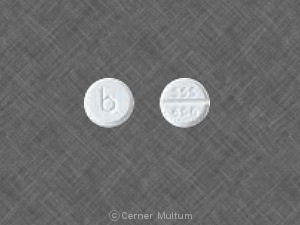
Overdose
No acute toxicological effects have resulted from studies involving Megace (megestrol acetate) administered in dosages as high as 1600 mg/day for six months or more.
Reports of overdose have also been received in the postmarketing setting. Signs and symptoms reported in the context of overdose included diarrhoea, nausea, abdominal pain, shortness of breath, cough, unsteady gait, listlessness, and chest pain. There is no specific antidote for overdose with Megace. In case of overdose, appropriate supportive measures should be taken.
Shelf life
36 months - Blister packs
36 months - Amber glass bottles
Incompatibilities
Not applicable
List of excipients
Colloidal anhydrous silica
Lactose monohydrate
Magnesium stearate
Microcrystalline cellulose
Povidone
Sodium starch glycollate
Undesirable effects
The main side-effect experienced by patients while taking megestrol acetate, particularly at high doses, is weight gain, which is usually not associated with water retention, but which is secondary to an increased appetite and food intake. Weight gain is associated with an increase in fat and body cell mass.
Constipation and urinary frequency have also been reported in patients who received high doses of megestrol acetate in clinical trials.
A rarely encountered side effect of prolonged administration of megestrol acetate is urticaria, presumably an idiosyncratic reaction to the drug. The drug is devoid of the myelosuppressive activity characteristic of many cytotoxic drugs and it causes no significant changes in haematology, blood chemistry or urinalysis.
Pituitary adrenal axis abnormalities including glucose intolerance, new onset diabetes, exacerbation of pre-existing diabetes with decreased glucose tolerance and Cushing's syndrome have been reported with the use of megestrol acetate. Clinically apparent adrenal insufficiency has been rarely reported in patients shortly after discontinuing megestrol acetate. The possibility of adrenal suppression should be considered in all patients taking or withdrawing from chronic megestrol acetate therapy. Replacement stress doses of glucocorticoids may be indicated.
The list is presented by system organ class, MedDRA preferred term, and frequency using the following frequency categories: very common (>1/10), common (>1/100, < 1/10), uncommon (>1/1000, <1/100), rare (>1/10000, <1/1000), very rare (< 1/10000), and not known (cannot be estimated from the available data).
| System Organ Class
| Frequency
| MedDRA Term
|
| Neoplasms benign, malignant, and unspecified (including cysts and polyps)
| Common
| Tumour flare #
|
| Endocrine disorders
| Very common
| Adrenal insufficiency, cushingoid, Cushing's syndrome
|
| Metabolism and nutrition disorders
| Very common
| Diabetes mellitus, glucose tolerance impaired, hyperglycaemia, increased appetite
|
| Psychiatric disorders
| Common
| Mood altered
|
| Nervous system disorders
| Common
| Carpal tunnel syndrome, lethargy
|
| Cardiac disorders
| Common
| Cardiac failure
|
| Vascular disorders
| Very common
| Thrombophlebitis, pulmonary embolism*, hypertension, hot flush
|
| Respiratory, thoracic and mediastinal disorders
| Very common
| Dyspnoea
|
| Gastrointestinal disorders
| Common
| Nausea, vomiting, diarrhoea, flatulence
|
| Very common
| Constipation
|
| Skin and subcutaneous tissue disorders
| Common
| Rash, alopecia
|
| Renal and urinary disorders
| Common
| Pollakiuria
|
| Reproductive system and breast disorders
| Common
| Menrorrhagia, erectile dysfunction
|
| General disorders and administration site condition
| Common
| Asthenia, pain, oedema
|
| Investigations
| Very common
| Weight increased
|
†Source of frequencies: Megestrol Acetate Oral, Corporate Product Labeling Profile (CPLP) dated 12 November 1996.
#with or without hypercalcemia
* Pulmonary embolism (in some cases fatal)
Reporting of suspected adverse reactions
Reporting suspected adverse reactions after authorisation of the medicinal product is important. It allows continued monitoring of the benefit/risk balance of the medicinal product. Healthcare professionals are asked to report any suspected adverse reactions via the Yellow Card Scheme. Website: www.mhra.gov.uk/yellowcard.
Preclinical safety data
Administration of megestrol acetate to female dogs for up to 7 years was associated with an increased incidence of both benign and malignant tumors of the breast. Comparable studies in rats and studies in monkeys were not associated with an increased incidence of tumors. The relationship of megestrol acetate-associated dog tumors to humans is unknown, but should be considered in assessing the benefit-to-risk ratio when prescribing Megace, and in surveillance of patients on therapy
Fertility and reproduction studies with high doses of megestrol acetate have shown a reversible feminising effect on some male rat foetuses.
Therapeutic indications
Megace is a progestational agent, indicated for the treatment of certain hormone dependent neoplasms, such as breast cancer.
Pharmacodynamic properties
Megace (megestrol acetate) possesses pharmacological properties similar to those of natural progesterone. Its progestational activity is slightly greater than that of medroxyprogesterone acetate, norethindrone, norethindrone acetate and norethynodrel; slightly less than that of chlormadinone acetate; and substantially less than that of norgestrel.
Megestrol acetate is a potent progestogen that exerts significant anti-oestrogenic effects. It has no androgenic or oestrogenic properties. It has anti-gonadotropic, anti-uterotropic and anti-androgenic/anti-myotropic actions. It has a slight but significant glucocorticoid effect and a very slight mineralocorticoid effect.
Pharmacokinetic properties
Peak plasma levels of tritiated megestrol acetate and metabolites occur one to three hours after oral administration. When 4 to 91mg of c-labelled megestrol acetate were administered orally to women, the major route of drug elimination was in the urine. The urinary and fecal recovery of total radioactivity within 10 days ranged from 56.6% to 78.4% (mean 66.4%) and 7.7% to 30.3% (mean 19.8%), respectively. The total recovered radioactivity varied between 83.1% and 94.7% (mean 86.2%).
Megestrol acetate metabolites, which were identified in the urine as glucuronide conjugates, were 17-alpha-acetoxy-2-alpha hydroxy-6-methylpregna-4, 6-diene-3, 20-dione; 17-alpha-acetoxy-6-hydroxymethylpregna-4, 6-diene-3, 20-dione; and 17-alpha-acetoxy-2 alpha-hydroxy-6-hydromethylpregna-4, 6-diene-3, 20-dione; these identified metabolites accounted for only 5-8% of the administered dose.
Serum concentrations were measured after the administration of single and multiple oral doses of megestrol acetate. Adult male and post-menopausal female volunteers, no more than 65 years of age participated in the study.
Megestrol acetate is readily absorbed following oral administration of 20, 40, 80 and 200 mg doses. Megestrol serum concentrations increase with increasing doses, the relationship between increasing dosage and increasing serum levels not being arithmetically proportional. Average peak serum concentrations for the four doses tested were 89, 190, 209 and 465 ng/ml.
Mean peak serum concentrations are found three hours after single-dose administration for all dosage levels studied. The serum concentration curve appears biphasic, and the beta-phase half-life is 15 to 20 hours long.
After multiple doses over a three-day period, serum levels increase each day and are estimated to reach 80% to 90% predicted steady-state levels on the third day.
Date of revision of the text
February 2015
Marketing authorisation holder
PharmaSwiss Česká republika s.r.o.,
Jankovcova 1569/2c
170 00, Prague 7
Czech Republic
Special precautions for storage
Do not store Megace Tablets above 25°C. Store in the original package in order to protect from moisture.
Nature and contents of container
Amber glass bottles of 30, 60 or 100
Blister packs of 30 tablets
Marketing authorisation number(s)
PL 33616/0001
Fertility, pregnancy and lactation
Megace is not recommended for women who are pregnant or who are breast feeding.
Several reports suggest an association between intrauterine exposure to progestational drugs in the first trimester of pregnancy and genital abnormalities in male and female foetuses. The risk of hypospadias, 5 to 8 per 1,000 male births in the general population, may be approximately doubled with the exposure to progestational drugs. There are insufficient data to quantify the risk to exposed female foetuses, however some of these drugs induce mild virilisation of the external genitalia of the female foetuses.
If a patient is exposed to Megace during the first four months of pregnancy or if she becomes pregnant whilst taking Megace, she should be apprised of the potential risks to the foetus.
Women of child bearing potential should be advised to avoid becoming pregnant.
Breastfeeding
Because of the potential for adverse effects, nursing should be discontinued during treatment with Megace.
Special warnings and precautions for use
Precautions:
Megace should be used with caution in patients with a history of thrombophlebitis and in patients with severe impaired liver function.
This product should be used under the supervision of a specialist and the patients kept under regular surveillance. This product can exert adrenocortical effects. This should be borne in mind in patient surveillance.
Patients with rare hereditary problems of galactose intolerance, the Lapp lactase deficiency or glucose-galactose malabsorption should not take this medicine.
Insufficient data from clinical studies of megesterol acetate are available for patients 65 years of age and older to determine whether they respond differently than younger patients. Other reported clinical experience has not identified differences in responses between elderly and younger patients. In general, use in elderly patients should be cautious, reflecting the greater frequency of decreased hepatic, renal, or cardiac function, and of concomitant disease or other drug therapy. Megestrol acetate is known to be substantially excreted by the kidney, and the risk of toxic reactions to this drug may be greater in patients with impaired renal function. Because elderly patients are more likely to have decreased renal function, care should be taken during treatment with megestrol acetate, and it may be useful to monitor renal function.
Effects on ability to drive and use machines
There are no known effects of megestrol acetate on the ability to drive or operate machinery.
Dosage (Posology) and method of administration
Breast cancer:
160 mg/day taken once daily.
At least two months of continuous treatment is considered an adequate period for determining the efficacy of Megace.
Children:
Safety and effectiveness in paediatric patients have not been established.
Megace is not recommended for use in children.
Elderly:
In general, use in elderly patients should be cautious, reflecting the greater frequency of decreased hepatic, renal, or cardiac function, and of concomitant disease or other drug therapy.
Special precautions for disposal and other handling
No special requirements.
Date of first authorisation/renewal of the authorisation
20 November 1985 / 25 April 2002
Interaction with other medicinal products and other forms of interaction
No interaction studies have been performed.