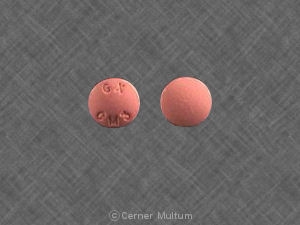
Overdose
There is no information on overdoses of MALARONE
substantially higher than the doses recommended for treatment.
There is no known antidote for atovaquone, and it is
currently unknown if atovaquone is dialyzable. Overdoses up to 31,500 mg of
atovaquone have been reported. In one such patient who also took an unspecified
dose of dapsone, methemoglobinemia occurred. Rash has also been reported after
overdose.
Overdoses of proguanil hydrochloride as large as 1,500 mg
have been followed by complete recovery, and doses as high as 700 mg twice
daily have been taken for over 2 weeks without serious toxicity. Adverse
experiences occasionally associated with proguanil hydrochloride doses of 100
to 200 mg/day, such as epigastric discomfort and vomiting, would be likely to
occur with overdose. There are also reports of reversible hair loss and scaling
of the skin on the palms and/or soles, reversible aphthous ulceration, and
hematologic side effects.
Contraindications
Hypersensitivity
MALARONE is contraindicated in
individuals with known hypersensitivity reactions (e.g., anaphylaxis, erythema
multiforme or Stevens-Johnson syndrome, angioedema, vasculitis) to atovaquone
or proguanil hydrochloride or any component of the formulation.
Severe Renal Impairment
MALARONE is contraindicated for prophylaxis of P.
falciparum malaria in patients with severe renal impairment (creatinine
clearance < 30 mL/min) because of pancytopenia in patients with severe renal
impairment treated with proguanil.
Undesirable effects
Clinical Trials Experience
Because clinical trials are conducted under widely
varying conditions, adverse reaction rates observed in the clinical trials of a
drug cannot be directly compared to rates in the clinical trials of another
drug and may not reflect the rates observed in practice.
Because MALARONE contains atovaquone and proguanil
hydrochloride, the type and severity of adverse reactions associated with each
of the compounds may be expected. The lower prophylactic doses of MALARONE were
better tolerated than the higher treatment doses.
Prophylaxis of P. falciparum Malaria
In 3 clinical trials (2 of which were placebo-controlled)
381 adults (mean age 31 years) received MALARONE for the prophylaxis of
malaria; the majority of adults were black (90%) and 79% were male. In a
clinical trial for the prophylaxis of malaria, 125 pediatric patients (mean age
9 years) received MALARONE; all subjects were black and 52% were male. Adverse
experiences reported in adults and pediatric patients, considered attributable
to therapy, occurred in similar proportions of subjects receiving MALARONE or
placebo in all studies. Prophylaxis with MALARONE was discontinued prematurely
due to a treatment-related adverse experience in 3 of 381 (0.8%) adults and 0
of 125 pediatric patients.
In a placebo-controlled study of malaria prophylaxis with
MALARONE involving 330 pediatric patients (aged 4 to 14 years) in Gabon, a
malaria-endemic area, the safety profile of MALARONE was consistent with that
observed in the earlier prophylactic studies in adults and pediatric patients.
The most common treatment-emergent adverse events with MALARONE were abdominal
pain (13%), headache (13%), and cough (10%). Abdominal pain (13% vs. 8%) and vomiting
(5% vs. 3%) were reported more often with MALARONE than with placebo. No
patient withdrew from the study due to an adverse experience with MALARONE. No
routine laboratory data were obtained during this study.
Non-immune travelers visiting a malaria-endemic area
received MALARONE (n = 1,004) for prophylaxis of malaria in 2 active-controlled
clinical trials. In one study (n = 493), the mean age of subjects was 33 years
and 53% were male; 90% of subjects were white, 6% of subjects were black and
the remaining were of other racial/ethnic groups. In the other study (n = 511),
the mean age of subjects was 36 years and 51% were female; the majority of
subjects (97%) were white. Adverse experiences occurred in a similar or lower
proportion of subjects receiving MALARONE than an active comparator (Table 3).
Fewer neuropsychiatric adverse experiences occurred in subjects who received
MALARONE than mefloquine. Fewer gastrointestinal adverse experiences occurred
in subjects receiving MALARONE than chloroquine/proguanil. Compared with active
comparator drugs, subjects receiving MALARONE had fewer adverse experiences
overall that were attributed to prophylactic therapy (Table 3). Prophylaxis
with MALARONE was discontinued prematurely due to a treatment-related adverse
experience in 7 of 1,004 travelers.
Table 3: Adverse Experiences in Active-Controlled
Clinical Trials of MALARONE for Prophylaxis of P. falciparum Malaria
| |
Percent of Subjects With Adverse Experiencesa (Percent of Subjects With Adverse Experiences Attributable to Therapy) |
| Study 1 |
Study 2 |
MALARONE
n = 493
(28 days)b |
Mefloquine
n = 483
(53 days)b |
MALARONE
n = 511
(26 days)b |
Chloroquine plus Proguanil
n = 511
(49 days)b |
| Diarrhea |
38 (8) |
36 (7) |
34 (5) |
39 (7) |
| Nausea |
14 (3) |
20 (8) |
11 (2) |
18 (7) |
| Abdominal pain |
17 (5) |
16 (5) |
14 (3) |
22 (6) |
| Headache |
12 (4) |
17 (7) |
12 (4) |
14 (4) |
| Dreams |
7 (7) |
16 (14) |
6 (4) |
7 (3) |
| Insomnia |
5 (3) |
16 (13) |
4 (2) |
5 (2) |
| Fever |
9 ( < 1) |
11 (1) |
8 ( < 1) |
8 ( < 1) |
| Dizziness |
5 (2) |
14 (9) |
7 (3) |
8 (4) |
| Vomiting |
8 (1) |
10 (2) |
8 (0) |
14 (2) |
| Oral ulcers |
9 (6) |
6 (4) |
5 (4) |
7 (5) |
| Pruritus |
4 (2) |
5 (2) |
3 (1) |
2 ( < 1) |
| Visual difficulties |
2 (2) |
5 (3) |
3 (2) |
3 (2) |
| Depression |
< 1 ( < 1) |
5 (4) |
< 1 ( < 1) |
1 ( < 1) |
| Anxiety |
1 ( < 1) |
5 (4) |
< 1 ( < 1) |
1 ( < 1) |
| Any adverse experience |
64 (30) |
69 (42) |
58 (22) |
66 (28) |
| Any neuropsychiatric event |
20 (14) |
37 (29) |
16 (10) |
20 (10) |
| Any GI event |
49 (16) |
50 (19) |
43 (12) |
54 (20) |
aAdverse experiences that started while receiving active
study drug.
bMean duration of dosing based on recommended dosing regimens. |
In a third active-controlled
study, MALARONE (n = 110) was compared with chloroquine/proguanil (n = 111) for
the prophylaxis of malaria in 221 non-immune pediatric patients (2 to 17 years
of age). The mean duration of exposure was 23 days for MALARONE, 46 days for
chloroquine, and 43 days for proguanil, reflecting the different recommended
dosage regimens for these products. Fewer patients treated with MALARONE
reported abdominal pain (2% vs. 7%) or nausea ( < 1% vs. 7%) than children who
received chloroquine/proguanil. Oral ulceration (2% vs. 2%), vivid
dreams (2% vs. < 1%), and blurred vision (0% vs. 2%) occurred in similar
proportions of patients receiving either MALARONE or chloroquine/proguanil,
respectively. Two patients discontinued prophylaxis with chloroquine/proguanil
due to adverse events, while none of those receiving MALARONE discontinued due
to adverse events.
Treatment of Acute, Uncomplicated P. falciparum Malaria
In 7 controlled trials, 436 adolescents and adults
received MALARONE for treatment of acute, uncomplicated P. falciparum malaria.
The range of mean ages of subjects was 26 to 29 years; 79% of subjects were
male. In these studies, 48% of subjects were classified as other racial/ethnic
groups, primarily Asian; 42% of subjects were black and the remaining subjects
were white. Attributable adverse experiences that occurred in ≥ 5% of
patients were abdominal pain (17%), nausea (12%), vomiting (12%), headache
(10%), diarrhea (8%), asthenia (8%), anorexia (5%), and dizziness (5%).
Treatment was discontinued prematurely due to an adverse experience in 4 of 436
(0.9%) adolescents and adults treated with MALARONE.
In 2 controlled trials, 116 pediatric patients (weighing
11 to 40 kg) (mean age 7 years) received MALARONE for the treatment of malaria.
The majority of subjects were black (72%); 28% were of other racial/ethnic
groups, primarily Asian. Attributable adverse experiences that occurred in ≥ 5%
of patients were vomiting (10%) and pruritus (6%). Vomiting occurred in 43 of
319 (13%) pediatric patients who did not have symptomatic malaria but were
given treatment doses of MALARONE for 3 days in a clinical trial. The design of
this clinical trial required that any patient who vomited be withdrawn from the
trial. Among pediatric patients with symptomatic malaria treated with MALARONE,
treatment was discontinued prematurely due to an adverse experience in 1 of 116
(0.9%).
In a study of 100 pediatric patients (5 to < 11 kg body
weight) who received MALARONE for the treatment of uncomplicated P.
falciparum malaria, only diarrhea (6%) occurred in ≥ 5% of patients
as an adverse experience attributable to MALARONE. In 3 patients (3%),
treatment was discontinued prematurely due to an adverse experience.
Abnormalities in laboratory tests reported in clinical
trials were limited to elevations of transaminases in malaria patients being
treated with MALARONE. The frequency of these abnormalities varied
substantially across trials of treatment and were not observed in the
randomized portions of the prophylaxis trials.
One active-controlled trial evaluated the treatment of
malaria in Thai adults (n = 182); the mean age of subjects was 26 years (range
15 to 63 years); 80% of subjects were male. Early elevations of ALT and AST
occurred more frequently in patients treated with MALARONE (n = 91) compared to
patients treated with an active control, mefloquine (n = 91). On Day 7, rates
of elevated ALT and AST with MALARONE and mefloquine (for patients who had
normal baseline levels of these clinical laboratory parameters) were ALT 26.7%
vs. 15.6%; AST 16.9% vs. 8.6%, respectively. By Day 14 of this 28-day study,
the frequency of transaminase elevations equalized across the 2 groups.
Postmarketing Experience
In addition to adverse events reported from clinical
trials, the following events have been identified during postmarketing use of
MALARONE. Because they are reported voluntarily from a population of unknown
size, estimates of frequency cannot be made. These events have been chosen for
inclusion due to a combination of their seriousness, frequency of reporting, or
potential causal connection to MALARONE.
Blood and Lymphatic System Disorders: Neutropenia
and anemia. Pancytopenia in patients with severe renal impairment treated with
proguanil.
Immune System Disorders: Allergic reactions
including anaphylaxis, angioedema, and urticaria, and vasculitis.
Nervous System Disorders: Seizures and psychotic
events (such as hallucinations); however, a causal relationship has not been
established.
Gastrointestinal Disorders: Stomatitis.
Hepatobiliary Disorders: Elevated liver laboratory
tests, hepatitis, cholestasis; hepatic failure requiring transplant has been
reported.
Skin and Subcutaneous Tissue Disorders: Photosensitivity,
rash, erythema multiforme, and Stevens-Johnson syndrome.
Pharmacodynamic properties
No trials of the
pharmacodynamics of MALARONE have been conducted.
Pharmacokinetic properties
Absorption
Atovaquone is a highly
lipophilic compound with low aqueous solubility. The bioavailability of
atovaquone shows considerable inter-individual variability.
Dietary fat taken with
atovaquone increases the rate and extent of absorption, increasing AUC 2 to 3
times and Cmax 5 times over fasting. The absolute bioavailability of the tablet
formulation of atovaquone when taken with food is 23%. MALARONE Tablets should
be taken with food or a milky drink.
Distribution
Atovaquone is highly protein
bound ( > 99%) over the concentration range of 1 to 90 mcg/mL. A population
pharmacokinetic analysis demonstrated that the apparent volume of distribution
of atovaquone (V/F) in adult and pediatric patients after oral administration
is approximately 8.8 L/kg.
Proguanil is 75% protein bound.
A population pharmacokinetic analysis demonstrated that the apparent V/F of
proguanil in adult and pediatric patients > 15 years of age with body weights
from 31 to 110 kg ranged from 1,617 to 2,502 L. In pediatric patients ≤ 15 years of age with body weights from 11 to 56 kg,
the V/F of proguanil ranged from 462 to 966 L.
In human plasma, the binding of atovaquone and proguanil
was unaffected by the presence of the other.
Metabolism
In a study where 14C-labeled atovaquone was
administered to healthy volunteers, greater than 94% of the dose was recovered
as unchanged atovaquone in the feces over 21 days. There was little or no
excretion of atovaquone in the urine (less than 0.6%). There is indirect
evidence that atovaquone may undergo limited metabolism; however, a specific
metabolite has not been identified. Between 40% to 60% of proguanil is excreted
by the kidneys. Proguanil is metabolized to cycloguanil (primarily via CYP2C19)
and 4-chlorophenylbiguanide. The main routes of elimination are hepatic
biotransformation and renal excretion.
Elimination
The elimination half-life of atovaquone is about 2 to 3
days in adult patients.
The elimination half-life of proguanil is 12 to 21 hours
in both adult patients and pediatric patients, but may be longer in individuals
who are slow metabolizers.
A population pharmacokinetic analysis in adult and
pediatric patients showed that the apparent clearance (CL/F) of both atovaquone
and proguanil are related to the body weight. The values CL/F for both
atovaquone and proguanil in subjects with body weight ≥ 11 kg are shown
in Table 4.
Table 4: Apparent Clearance for Atovaquone and
Proguanil in Patients as a Function of Body Weight
| Body Weight |
Atovaquone |
Proguanil |
| N |
CL/F (L/hr) Mean ± SDa (range) |
N |
CL/F (L/hr) Mean ± SDa (range) |
| 11-20 kg |
159 |
1.34 ± 0.63 (0.52-4.26) |
146 |
29.5 ± 6.5 (10.3-48.3) |
| 21-30 kg |
117 |
1.87 ± 0.81 (0.52-5.38) |
113 |
40.0 ± 7.5 (15.9-62.7) |
| 31-40 kg |
95 |
2.76 ± 2.07 (0.97-12.5) |
91 |
49.5 ± 8.30 (25.8-71.5) |
| >40 kg |
368 |
6.61 ± 3.92 (1.32-20.3) |
282 |
67.9 ± 19.9 (14.0-145) |
| aSD = standard deviation. |
The pharmacokinetics of
atovaquone and proguanil in patients with body weight below 11 kg have not been
adequately characterized.
Pediatrics
The pharmacokinetics of
proguanil and cycloguanil are similar in adult patients and pediatric patients.
However, the elimination half-life of atovaquone is shorter in pediatric
patients (1 to 2 days) than in adult patients (2 to 3 days). In clinical
trials, plasma trough concentrations of atovaquone and proguanil in pediatric
patients weighing 5 to 40 kg were within the range observed in adults after
dosing by body weight.
Geriatrics
In a single-dose study, the pharmacokinetics of
atovaquone, proguanil, and cycloguanil were compared in 13 elderly subjects
(age 65 to 79 years) to 13 younger subjects (age 30 to 45 years). In the
elderly subjects, the extent of systemic exposure (AUC) of cycloguanil was
increased (point estimate = 2.36, 90% CI = 1.70, 3.28). Tmax was longer in
elderly subjects (median 8 hours) compared with younger subjects (median 4
hours) and average elimination half-life was longer in elderly subjects (mean
14.9 hours) compared with younger subjects (mean 8.3 hours).
Renal Impairment
In patients with mild renal impairment (creatinine
clearance 50 to 80 mL/min), oral clearance and/or AUC data for atovaquone,
proguanil, and cycloguanil are within the range of values observed in patients
with normal renal function (creatinine clearance > 80 mL/min). In patients
with moderate renal impairment (creatinine clearance 30 to 50 mL/min), mean
oral clearance for proguanil was reduced by approximately 35% compared with
patients with normal renal function (creatinine clearance > 80 mL/min) and the
oral clearance of atovaquone was comparable between patients with normal renal
function and mild renal impairment. No data exist on the use of MALARONE for
long-term prophylaxis (over 2 months) in individuals with moderate renal
failure. In patients with severe renal impairment (creatinine clearance < 30
mL/min), atovaquone Cmax and AUC are reduced but the elimination half-lives for
proguanil and cycloguanil are prolonged, with corresponding increases in AUC,
resulting in the potential of drug accumulation and toxicity with repeated
dosing.
Hepatic Impairment
In a single-dose study, the pharmacokinetics of
atovaquone, proguanil, and cycloguanil were compared in 13 subjects with
hepatic impairment (9 mild, 4 moderate, as indicated by the Child-Pugh method)
to 13 subjects with normal hepatic function. In subjects with mild or moderate
hepatic impairment as compared to healthy subjects, there were no marked
differences ( < 50%) in the rate or extent of systemic exposure of atovaquone.
However, in subjects with moderate hepatic impairment, the elimination
half-life of atovaquone was increased (point estimate = 1.28, 90% CI = 1.00 to
1.63). Proguanil AUC, Cmax, and its elimination half-life increased in subjects
with mild hepatic impairment when compared to healthy subjects (Table 5). Also,
the proguanil AUC and its elimination half-life increased in subjects with
moderate hepatic impairment when compared to healthy subjects. Consistent with
the increase in proguanil AUC, there were marked decreases in the systemic
exposure of cycloguanil (Cmax and AUC) and an increase in its elimination
half-life in subjects with mild hepatic impairment when compared to healthy
volunteers (Table 5). There were few measurable cycloguanil concentrations in
subjects with moderate hepatic impairment. The pharmacokinetics of atovaquone,
proguanil, and cycloguanil after administration of MALARONE have not been
studied in patients with severe hepatic impairment.
Table 5: Point Estimates (90% CI) for Proguanil and
Cycloguanil Parameters in Subjects With Mild and Moderate Hepatic Impairment
Compared to Healthy Volunteers
| Parameter |
Comparison |
Proguanil |
Cycloguanil |
| AUC(0-inf) a |
mild:healthy |
1.96 (1.51, 2.54) |
0.32 (0.22, 0.45) |
| Cmax a |
mild:healthy |
1.41 (1.16, 1.71) |
0.35 (0.24, 0.50) |
| t½ b |
mild:healthy |
1.21 (0.92, 1.60) |
0.86 (0.49, 1.48) |
| AUC(0-inf) a |
moderate:healthy |
1.64 (1.14, 2.34) |
ND |
| Cmax a |
moderate:healthy |
0.97 (0.69, 1.36) |
ND |
| t½b |
moderate:healthy |
1.46 (1.05, 2.05) |
ND |
ND = not determined due to lack
of quantifiable data.
aRatio of geometric means.
bMean difference. |
Date of revision of the text
February 2013
Fertility, pregnancy and lactation
Pregnancy Category C
Atovaquone
Atovaquone was not teratogenic and did not cause
reproductive toxicity in rats at doses up to 1,000 mg/kg/day corresponding to
maternal plasma concentrations up to 7.3 times the estimated human exposure
during treatment of malaria based on AUC. In rabbits, atovaquone caused adverse
fetal effects and maternal toxicity at a dose of 1,200 mg/kg/day corresponding
to plasma concentrations that were approximately 1.3 times the estimated human
exposure during treatment of malaria based on AUC. Adverse fetal effects in rabbits,
including decreased fetal body lengths and increased early resorptions and
post-implantation losses, were observed only in the presence of maternal
toxicity.
In a pre- and post-natal study in rats, atovaquone did
not produce adverse effects in offspring at doses up to 1,000 mg/kg/day
corresponding to AUC exposures of approximately 7.3 times the estimated human
exposure during treatment of malaria.
Proguanil
A pre- and post-natal study in Sprague-Dawley rats
revealed no adverse effects at doses up to 16 mg/kg/day of proguanil
hydrochloride (up to 0.04-times the average human exposure based on AUC). Pre-
and post-natal studies of proguanil in animals at exposures similar to or
greater than those observed in humans have not been conducted.
Atovaquone and Proguanil
The combination of atovaquone and proguanil hydrochloride
was not teratogenic in pregnant rats at atovaquone:proguanil hydrochloride (50:20
mg/kg/day) corresponding to plasma concentrations up to 1.7 and 0.1 times,
respectively, the estimated human exposure during treatment of malaria based on
AUC. In pregnant rabbits, the combination of atovaquone and proguanil
hydrochloride was not teratogenic or embryotoxic to rabbit fetuses at
atovaquone:proguanil hydrochloride (100:40 mg/kg/day) corresponding to plasma
concentrations of approximately 0.3 and 0.5 times, respectively, the estimated
human exposure during treatment of malaria based on AUC.
There are no adequate and well-controlled studies of
atovaquone and/or proguanil hydrochloride in pregnant women. MALARONE should be
used during pregnancy only if the potential benefit justifies the potential
risk to the fetus.
Falciparum malaria carries a higher risk of morbidity and
mortality in pregnant women than in the general population. Maternal death and
fetal loss are both known complications of falciparum malaria in pregnancy. In
pregnant women who must travel to malaria-endemic areas, personal protection
against mosquito bites should always be employed in addition to antimalarials.
The proguanil component of MALARONE acts by inhibiting
the parasitic dihydrofolate reductase.
However, there are no clinical data indicating that folate supplementation
diminishes drug efficacy. For women of childbearing age receiving folate supplements
to prevent neural tube birth defects, such supplements may be continued while
taking MALARONE.
Special warnings and precautions for use
WARNINGS
Included as part of the PRECAUTIONS section.
PRECAUTIONS
Vomiting and Diarrhea
Absorption of atovaquone may be reduced in patients with
diarrhea or vomiting. If MALARONE is used in patients who are vomiting,
parasitemia should be closely monitored and the use of an antiemetic
considered. Vomiting occurred in up to
19% of pediatric patients given treatment doses of MALARONE. In the controlled
clinical trials, 15.3% of adults received an antiemetic when they received
atovaquone/proguanil and 98.3% of these patients were successfully treated. In
patients with severe or persistent diarrhea or vomiting, alternative
antimalarial therapy may be required.
Relapse of Infection
In mixed P. falciparum and Plasmodium vivax
infections, P. vivax parasite relapse occurred commonly when patients
were treated with MALARONE alone.
In the event of recrudescent P. falciparum infections
after treatment with MALARONE or failure of chemoprophylaxis with MALARONE,
patients should be treated with a different blood schizonticide.
Hepatotoxicity
Elevated liver laboratory tests and cases of hepatitis
and hepatic failure requiring liver transplantation have been reported with
prophylactic use of MALARONE.
Severe or Complicated Malaria
MALARONE has not been evaluated for the treatment of
cerebral malaria or other severe manifestations of complicated malaria,
including hyperparasitemia, pulmonary edema, or renal failure. Patients with
severe malaria are not candidates for oral therapy.
Nonclinical Toxicology
Carcinogenesis, Mutagenesis, Impairment of Fertility
Genotoxicity studies have not been performed with
atovaquone in combination with proguanil. Effects of MALARONE on male and
female reproductive performance are unknown.
Atovaquone
A 24-month carcinogenicity study in CD rats was negative
for neoplasms at doses up to 500 mg/kg/day corresponding to approximately 54
times the average steady-state plasma concentrations in humans during
prophylaxis of malaria. In CD-1 mice, a 24-month study showed treatment-related
increases in incidence of hepatocellular adenoma and hepatocellular carcinoma
at all doses tested (50, 100, and 200 mg/kg/day) which correlated with at least
15 times the average steady-state plasma concentrations in humans during
prophylaxis of malaria.
Atovaquone was negative with or without metabolic
activation in the Ames Salmonella mutagenicity assay, the Mouse Lymphoma
mutagenesis assay, and the Cultured Human Lymphocyte cytogenetic assay. No
evidence of genotoxicity was observed in the in vivo Mouse Micronucleus assay.
Atovaquone did not impair fertility in male and female
rats at doses up to 1,000 mg/kg/day corresponding to plasma exposures of approximately
7.3 times the estimated human exposure during treatment of malaria based on
AUC.
Proguanil
No evidence of a carcinogenic effect was observed in
24-month studies conducted in CD-1 mice at doses up to 16 mg/kg/day
corresponding to 1.5 times the average human plasma exposure during prophylaxis
of malaria based on AUC, and in Wistar Hannover rats at doses up 20 mg/kg/day
corresponding to 1.1 times the average human plasma exposure during prophylaxis
of malaria based on AUC.
Proguanil was negative with or without metabolic
activation in the Ames Salmonella mutagenicity assay and the Mouse Lymphoma
mutagenesis assay. No evidence of genotoxicity was observed in the in vivo
Mouse Micronucleus assay.
Cycloguanil, the active metabolite of proguanil, was also
negative in the Ames test, but was positive in the Mouse Lymphoma assay and the
Mouse Micronucleus assay. These positive effects with cycloguanil, a
dihydrofolate reductase inhibitor, were significantly reduced or abolished with
folinic acid supplementation.
A fertility study in Sprague-Dawley rats revealed no
adverse effects at doses up to 16 mg/kg/day of proguanil hydrochloride (up to
0.04-times the average human exposure during treatment of malaria based on
AUC). Fertility studies of proguanil in animals at exposures similar to or
greater than those observed in humans have not been conducted.
Use In Specific Populations
Pregnancy
Pregnancy Category C
Atovaquone
Atovaquone was not teratogenic and did not cause
reproductive toxicity in rats at doses up to 1,000 mg/kg/day corresponding to
maternal plasma concentrations up to 7.3 times the estimated human exposure
during treatment of malaria based on AUC. In rabbits, atovaquone caused adverse
fetal effects and maternal toxicity at a dose of 1,200 mg/kg/day corresponding
to plasma concentrations that were approximately 1.3 times the estimated human
exposure during treatment of malaria based on AUC. Adverse fetal effects in rabbits,
including decreased fetal body lengths and increased early resorptions and
post-implantation losses, were observed only in the presence of maternal
toxicity.
In a pre- and post-natal study in rats, atovaquone did
not produce adverse effects in offspring at doses up to 1,000 mg/kg/day
corresponding to AUC exposures of approximately 7.3 times the estimated human
exposure during treatment of malaria.
Proguanil
A pre- and post-natal study in Sprague-Dawley rats
revealed no adverse effects at doses up to 16 mg/kg/day of proguanil
hydrochloride (up to 0.04-times the average human exposure based on AUC). Pre-
and post-natal studies of proguanil in animals at exposures similar to or
greater than those observed in humans have not been conducted.
Atovaquone and Proguanil
The combination of atovaquone and proguanil hydrochloride
was not teratogenic in pregnant rats at atovaquone:proguanil hydrochloride (50:20
mg/kg/day) corresponding to plasma concentrations up to 1.7 and 0.1 times,
respectively, the estimated human exposure during treatment of malaria based on
AUC. In pregnant rabbits, the combination of atovaquone and proguanil
hydrochloride was not teratogenic or embryotoxic to rabbit fetuses at
atovaquone:proguanil hydrochloride (100:40 mg/kg/day) corresponding to plasma
concentrations of approximately 0.3 and 0.5 times, respectively, the estimated
human exposure during treatment of malaria based on AUC.
There are no adequate and well-controlled studies of
atovaquone and/or proguanil hydrochloride in pregnant women. MALARONE should be
used during pregnancy only if the potential benefit justifies the potential
risk to the fetus.
Falciparum malaria carries a higher risk of morbidity and
mortality in pregnant women than in the general population. Maternal death and
fetal loss are both known complications of falciparum malaria in pregnancy. In
pregnant women who must travel to malaria-endemic areas, personal protection
against mosquito bites should always be employed in addition to antimalarials.
The proguanil component of MALARONE acts by inhibiting
the parasitic dihydrofolate reductase.
However, there are no clinical data indicating that folate supplementation
diminishes drug efficacy. For women of childbearing age receiving folate supplements
to prevent neural tube birth defects, such supplements may be continued while
taking MALARONE.
Nursing Mothers
It is not known whether atovaquone is excreted into human
milk. In a rat study, atovaquone concentrations in the milk were 30% of the
concurrent atovaquone concentrations in the maternal plasma.
Proguanil is excreted into human milk in small
quantities.
Caution should be exercised when MALARONE is administered
to a nursing woman.
Pediatric Use
Prophylaxis of Malaria
Safety and effectiveness have not been established in
pediatric patients who weigh less than 11 kg. The efficacy and safety of
MALARONE have been established for the prophylaxis of malaria in controlled
trials involving pediatric patients weighing 11 kg or more.
Treatment of Malaria
Safety and effectiveness have not been established in
pediatric patients who weigh less than 5 kg. The efficacy and safety of
MALARONE for the treatment of malaria have been established in controlled
trials involving pediatric patients weighing 5 kg or more.
Geriatric Use
Clinical trials of MALARONE did not include sufficient
numbers of subjects aged 65 years and older to determine whether they respond
differently from younger subjects. In general, dose selection for an elderly
patient should be cautious, reflecting the greater frequency of decreased
hepatic, renal, or cardiac function, the higher systemic exposure to
cycloguanil, and the greater frequency of concomitant disease or other drug
therapy.
Renal Impairment
Do not use MALARONE for malaria prophylaxis in patients
with severe renal impairment (creatinine clearance < 30 mL/min). Use with
caution for the treatment of malaria in patients with severe renal impairment,
only if the benefits of the 3-day treatment regimen outweigh the potential risks
associated with increased drug exposure. No dosage adjustments are needed in
patients with mild (creatinine clearance 50 to 80 mL/min) or moderate
(creatinine clearance 30 to 50 mL/min) renal impairment.
Hepatic Impairment
No dosage adjustments are needed in patients with mild or
moderate hepatic impairment. No trials have
been conducted in patients with severe hepatic impairment.
Interaction with other medicinal products and other forms of interaction
There are no pharmacokinetic
interactions between atovaquone and proguanil at the recommended dose.
Atovaquone is highly protein
bound ( > 99%) but does not displace other highly protein-bound drugs in
vitro.
Proguanil is metabolized
primarily by CYP2C19. Potential pharmacokinetic interactions between proguanil
or cycloguanil and other drugs that are CYP2C19 substrates or inhibitors are
unknown.
Rifampin/Rifabutin: Concomitant
administration of rifampin or rifabutin is known to reduce atovaquone
concentrations by approximately 50% and 34%, respectively. The mechanisms of
these interactions are unknown.
Tetracyline: Concomitant treatment
with tetracycline has been associated with approximately a 40% reduction in
plasma concentrations of atovaquone.
Metoclopramide: Concomitant treatment with metoclopramide has been
associated with decreased bioavailability of atovaquone.
Indinavir: Concomitant
administration of atovaquone (750 mg BID with food for 14 days) and indinavir
(800 mg TID without food for 14 days) did not result in any change in the
steady-state AUC and Cmax of indinavir but resulted in a decrease in the Ctrough
of indinavir (23% decrease [90% CI = 8%, 35%]).