Overdose
Human Experience
Worldwide exposure to fluvoxamine includes over 45,000
patients treated in clinical trials and an estimated exposure of 50,000,000
patients treated during worldwide marketing experience (end of 2005). Of the
539 cases of deliberate or accidental overdose involving fluvoxamine reported
from this population, there were 55 deaths. Of these, 9 were in patients
thought to be taking fluvoxamine alone and the remaining 46 were in patients
taking fluvoxamine along with other drugs. Among non-fatal overdose cases, 404
patients recovered completely. Five patients experienced adverse sequelae of
overdosage, to include persistent mydriasis, unsteady gait, hypoxic
encephalopathy, kidney complications (from trauma associated with overdose),
bowel infarction requiring a hemicolectomy, and vegetative state. In 13
patients, the outcome was provided as abating at the time of reporting. In the
remaining 62 patients, the outcome was unknown. The largest known ingestion of
fluvoxamine involved 12,000 mg (equivalent to 2 to 3 months' dosage). The
patient fully recovered. However, ingestions as low as 1,400 mg have been
associated with lethal outcome, indicating considerable prognostic variability.
Commonly ( ≥ 5%) observed adverse events associated
with fluvoxamine maleate overdose include gastrointestinal complaints (nausea,
vomiting and diarrhea), coma, hypokalemia, hypotension, respiratory
difficulties, somnolence, and tachycardia. Other notable signs and symptoms
seen with fluvoxamine maleate overdose (single or multiple drugs) include
bradycardia, ECG abnormalities (such as heart arrest, QT interval prolongation,
first degree atrioventricular block, bundle branch block, and junctional
rhythm), convulsions, dizziness, liver function disturbances, tremor, and
increased reflexes.
Management Of Overdosage
Treatment should consist of those general measures
employed in the management of overdosage with any antidepressant.
Ensure an adequate airway, oxygenation, and ventilation.
Monitor cardiac rhythm and vital signs. General supportive and symptomatic
measures are also recommended. Induction of emesis is not recommended. Gastric
lavage with a large-bore orogastric tube with appropriate airway protection, if
needed, may be indicated if performed soon after ingestion, or in symptomatic
patients.
Activated charcoal should be administered. Due to the
large volume of distribution of this drug, forced diuresis, dialysis,
hemoperfusion and exchange transfusion are unlikely to be of benefit. No
specific antidotes for fluvoxamine are known.
A specific caution involves patients taking, or recently
having taken, fluvoxamine who might ingest excessive quantities of a tricyclic
antidepressant. In such a case, accumulation of the parent tricyclic and/or an
active metabolite may increase the possibility of clinically significant
sequelae and extend the time needed for close medical observation..
In managing overdosage, consider the possibility of
multiple drug involvement. The physician should consider contacting a poison
control center for additional information on the treatment of any overdose.
Telephone numbers for certified poison control centers are listed in the
Physicians' Desk Reference (PDR).
Contraindications
Coadministration of tizanidine, thioridazine, alosetron, or
pimozide with Fluvoxamine Maleate Tablets is contraindicated..
Serotonin Syndrome And Monoamine Oxidase Inhibitors
(MAOIs)
The use of MAOIs intended to treat psychiatric disorders
with Fluvoxamine Maleate Tablets or within 14 days of stopping treatment with
Fluvoxamine Maleate Tablets is contraindicated because of an increased risk of
serotonin syndrome. The use of Fluvoxamine Maleate Tablets within 14 days of
stopping an MAOI intended to treat psychiatric disorders is also
contraindicated..
Starting Fluvoxamine Maleate Tablets in a patient who is
being treated with MAOIs such as linezolid or intravenous methylene blue is
also contraindicated because of an increased risk of serotonin syndrome.
Undesirable effects
Adverse Reactions Leading To Treatment Discontinuation
Of the 1087 OCD and depressed patients treated with
fluvoxamine maleate in controlled clinical trials in North America, 22%
discontinued due to an adverse reaction. Adverse reactions that led to
discontinuation in at least 2% of fluvoxamine maleate-treated patients in these
trials were: nausea (9%), insomnia (4%), somnolence (4%), headache (3%), and
asthenia, vomiting, nervousness, agitation, and dizziness (2% each).
Incidence In Controlled Trials
Commonly Observed Adverse Reactions In Controlled
Clinical Trials
Fluvoxamine Maleate Tablets have been studied in 10-week
short-term controlled trials of OCD (N=320) and depression (N=1350). In
general, adverse reaction rates were similar in the two data sets as well as in
the pediatric OCD study. The most commonly observed adverse reactions
associated with the use of Fluvoxamine Maleate Tablets and likely to be
drug-related (incidence of 5% or greater and at least twice that for placebo)
derived from Table 2 were: nausea, somnolence, insomnia, asthenia,
nervousness, dyspepsia, abnormal ejaculation, sweating, anorexia, tremor,
and vomiting. In a pool of two studies involving only patients with OCD,
the following additional reactions were identified using the above rule:
anorgasmia, decreased libido, dry mouth, rhinitis, taste perversion, and
urinary frequency. In a study of pediatric patients with OCD, the following
additional reactions were identified using the above rule: agitation,
depression, dysmenorrhea, flatulence, hyperkinesia, and rash.
Adverse Reactions Occurring at an Incidence of 1%: Table
2 enumerates adverse reactions that occurred in adults at a frequency of 1% or
more, and were more frequent than in the placebo group, among patients treated
with Fluvoxamine Maleate Tablets in two short-term placebo controlled OCD
trials (10 week) and depression trials (6 week) in which patients were dosed in
a range of generally 100 to 300 mg/day. This table shows the percentage of
patients in each group who had at least one occurrence of a reaction at some
time during their treatment. Reported adverse reactions were classified using a
standard COSTART-based Dictionary terminology.
The prescriber should be aware that these figures cannot
be used to predict the incidence of side effects in the course of usual medical
practice where patient characteristics and other factors may differ from those
that prevailed in the clinical trials. Similarly, the cited frequencies cannot
be compared with figures obtained from other clinical investigations involving
different treatments, uses, and investigators. The cited figures, however, do
provide the prescribing physician with some basis for estimating the relative
contribution of drug and non-drug factors to the side-effect incidence rate in
the population studied.
TABLE 2 : TREATMENT-EMERGENT ADVERSE REACTION
INCIDENCE RATES BY BODY SYSTEM IN ADULT OCD AND DEPRESSION POPULATIONS COMBINED1
| BODY SYSTEM/ ADVERSE REACTION |
Percentage of Patients Reporting Reaction |
FLUVOXAMINE
N=892 |
PLACEBO
N=778 |
| BODY AS WHOLE |
| Headache |
22 |
20 |
| Asthenia |
14 |
6 |
| Flu Syndrome |
3 |
2 |
| Chills |
2 |
1 |
| CARDIOVASCULAR |
| Palpitations |
3 |
2 |
| DIGESTIVE SYSTEM |
| Nausea |
40 |
14 |
| Diarrhea |
11 |
7 |
| Constipation |
10 |
8 |
| Dyspepsia |
10 |
5 |
| Anorexia |
6 |
2 |
| Vomiting |
5 |
2 |
| Flatulence |
4 |
3 |
| Tooth Disorder2 |
3 |
1 |
| Dysphagia |
2 |
1 |
| NERVOUS SYSTEM |
| Somnolence |
22 |
8 |
| Insomnia |
21 |
10 |
| Dry Mouth |
14 |
10 |
| Nervousness |
12 |
5 |
| Dizziness |
11 |
6 |
| Tremor |
5 |
1 |
| Anxiety |
5 |
3 |
| Vasodilatation3 |
3 |
1 |
| Hypertonia |
2 |
1 |
| Agitation |
2 |
1 |
| Decreased Libido |
2 |
1 |
| Depression |
2 |
1 |
| CNS Stimulation |
2 |
1 |
| RESPIRATORY SYSTEM |
| Upper Respiratory Infection |
9 |
5 |
| Dyspnea |
2 |
1 |
| Yawn |
2 |
0 |
| SKIN |
| Sweating |
7 |
3 |
| SPECIAL SENSES |
| Taste Perversion |
3 |
1 |
| Amblyopia4 |
3 |
2 |
| UROGENITAL |
| Abnormal Ejaculation5,6 |
8 |
1 |
| Urinary Frequency |
3 |
2 |
| Impotence6 |
2 |
1 |
| Anorgasmia |
2 |
0 |
| Urinary Retention |
1 |
0 |
1 Reactions for which fluvoxamine maleate
incidence was equal to or less than placebo are  not listed in the table above.
2 Includes “toothache,” “tooth extraction and abscess,” and
“caries.”
3 Mostly feeling warm, hot, or flushed.
4 Mostly “blurred vision.”
5 Mostly “delayed ejaculation.”
6 Incidence based on number of male patients. |
Adverse Reactions in OCD Placebo
Controlled Studies Which are Markedly Different (defined as at least a two-fold
difference) in Rate from the Pooled Reaction Rates in OCD and Depression
Placebo Controlled Studies: The reactions
in OCD studies with a two-fold decrease in rate compared to reaction rates in
OCD and depression studies were dysphagia and amblyopia (mostly blurred
vision). Additionally, there was an approximate 25% decrease in nausea.
The reactions in OCD studies
with a two-fold increase in rate compared to reaction rates in OCD and
depression studies were: asthenia, abnormal ejaculation (mostly delayed
ejaculation), anxiety, rhinitis, anorgasmia (in males), depression, libido
decreased, pharyngitis, agitation, impotence, myoclonus/twitch, thirst, weight
loss, leg cramps, myalgia, and urinary retention. These reactions
are listed in order of decreasing rates in the OCD trials.
Other Adverse Reactions In OCD
Pediatric Population
In pediatric patients (N=57)
treated with Fluvoxamine Maleate Tablets, the overall profile of adverse
reactions was generally similar to that seen in adult studies, as shown in
Table 2. However, the following adverse reactions, not appearing in Table 2,
were reported in two or more of the pediatric patients and were more frequent
with Fluvoxamine Maleate Tablets than with placebo: cough increase,
dysmenorrhea, ecchymosis, emotional lability, epistaxis, hyperkinesia, manic
reaction, rash, sinusitis, and weight decrease.
Male And Female Sexual
Dysfunction With SSRIs
Although changes in sexual
desire, sexual performance and sexual satisfaction often occur as
manifestations of a psychiatric disorder and with aging, they may also be a
consequence of pharmacologic treatment. In particular, some evidence
suggests that selective serotonin reuptake inhibitors (SSRIs), can cause such
untoward sexual experiences.
Reliable estimates of the incidence and severity of
untoward experiences involving sexual desire, performance and satisfaction are
difficult to obtain, however, in part because patients and physicians may be
reluctant to discuss them. Accordingly, estimates of the incidence of untoward
sexual experience and performance cited in product labeling are likely to
underestimate their actual incidence.
Table 3 displays the incidence of sexual side effects
reported by at least 2% of patients taking Fluvoxamine Maleate Tablets in
placebo-controlled trials in depression and OCD.
TABLE 3 : PERCENTAGE OF PATIENTS REPORTING SEXUAL
ADVERSE REACTIONS IN ADULT PLACEBO-CONTROLLED TRIALS IN OCD AND DEPRESSION
| |
Fluvoxamine Maleate Tablets
N=892 |
Placebo
N=778 |
| Abnormal Ejaculation* |
8% |
1% |
| Impotence* |
2% |
1% |
| Decreased Libido |
2% |
1% |
| Anorgasmia |
2% |
0% |
| * Based on the number of male
patients. |
There are no adequate and well-controlled studies examining sexual dysfunction with fluvoxamine
treatment.
Fluvoxamine treatment has been
associated with several cases of priapism. In those cases with a known outcome,
patients recovered without sequelae and upon discontinuation of fluvoxamine.
While it is difficult to know
the precise risk of sexual dysfunction associated with the use of SSRIs,
physicians should routinely inquire about such possible side effects.
Vital Sign Changes
Comparisons of fluvoxamine
maleate and placebo groups in separate pools of short-term OCD and depression
trials on (1) median change from baseline on various vital signs variables and
on (2) incidence of patients meeting criteria for potentially important changes
from baseline on various vital signs variables revealed no important
differences between fluvoxamine maleate and placebo.
Laboratory Changes
Comparisons of fluvoxamine maleate
and placebo groups in separate pools of short-term OCD and depression trials on
(1) median change from baseline on various serum chemistry, hematology, and
urinalysis variables and on (2) incidence of patients meeting criteria for
potentially important changes from baseline on various serum chemistry,
hematology, and urinalysis variables revealed no important differences between
fluvoxamine maleate and placebo.
ECG Changes
Comparisons of fluvoxamine
maleate and placebo groups in separate pools of short-term OCD and depression
trials on (1) mean change from baseline on various ECG variables and on (2)
incidence of patients meeting criteria for potentially important changes
from baseline on various ECG variables revealed no important differences
between fluvoxamine maleate and placebo.
Other Reactions Observed During The Premarketing
Evaluation Of Fluvoxamine Maleate Tablets
During premarketing clinical trials conducted in North America
and Europe, multiple doses of fluvoxamine maleate were administered for a
combined total of 2737 patient exposures in patients suffering OCD or Major
Depressive Disorder. Untoward reactions associated with this exposure were
recorded by clinical investigators using descriptive terminology of their own
choosing. Consequently, it is not possible to provide a meaningful estimate of
the proportion of individuals experiencing adverse reactions without first
grouping similar types of untoward reactions into a limited (i.e., reduced)
number of standard reaction categories.
In the tabulations which follow, a standard COSTART-based
Dictionary terminology has been used to classify reported adverse reactions. If
the COSTART term for a reaction was so general as to be uninformative, it was
replaced with a more informative term. The frequencies presented, therefore,
represent the proportion of the 2737 patient exposures to multiple doses of
fluvoxamine maleate who experienced a reaction of the type cited on at least
one occasion while receiving fluvoxamine maleate. All reported reactions are
included in the list below, with the following exceptions: 1) those reactions
already listed in Table 2, which tabulates incidence rates of common adverse
experiences in placebo-controlled OCD and depression clinical trials, are
excluded; 2) those reactions for which a drug cause was not considered likely
are omitted; 3) reactions for which the COSTART term was too vague to be
clinically meaningful and could not be replaced with a more informative term;
and 4) reactions which were reported in only one patient and judged to not be
potentially serious are not included. It is important to emphasize that,
although the reactions reported did occur during treatment with fluvoxamine maleate,
a causal relationship to fluvoxamine maleate has not been established.
Reactions are further classified within body system
categories and enumerated in order of decreasing frequency using the following
definitions: frequent adverse reactions are defined as those occurring on one
or more occasions in at least 1/100 patients; infrequent adverse reactions are
those occurring between 1/100 and 1/1000 patients; and rare adverse reactions
are those occurring in less than 1/1000 patients.
Body as a Whole - Frequent: malaise; Infrequent:
photosensitivity reaction and suicide attempt.
Cardiovascular System - Frequent: syncope.
Digestive System - Infrequent:
gastrointestinal hemorrhage and melena; Rare: hematemesis.
Hemic and Lymphatic Systems - Infrequent:
anemia and ecchymosis; Rare: purpura.
Metabolic and Nutritional Systems - Frequent:
weight gain and weight loss.
Nervous System - Frequent: hyperkinesia,
manic reaction, and myoclonus; Infrequent: abnormal dreams, akathisia,
convulsion, dyskinesia, dystonia, euphoria, extrapyramidal syndrome, and
twitching; Rare: withdrawal syndrome.
Respiratory System - Infrequent: epistaxis.
Rare: hemoptysis and laryngismus.
Skin - Infrequent: urticaria.
Urogenital System* - Infrequent: hematuria,
menorrhagia, and vaginal hemorrhage; Rare: hematospermia.
* Based on the number of males or females, as
appropriate.
Postmarketing Reports
Voluntary reports of adverse reactions in patients taking
Fluvoxamine Maleate Tablets that have been received since market introduction
and are of unknown causal relationship to Fluvoxamine Maleate Tablets use
include: acute renal failure, agranulocytosis, amenorrhea, anaphylactic
reaction, angioedema, aplastic anemia, bullous eruption, Henoch-Schoenlein purpura,
hepatitis, ileus, pancreatitis, porphyria, Stevens-Johnson syndrome, toxic
epidermal necrolysis, vasculitis, and ventricular tachycardia (including
torsades de pointes).
Therapeutic indications
Obsessive-Compulsive Disorder
Fluvoxamine Maleate Tablets are
indicated for the treatment of obsessions and compulsions in patients with
obsessive compulsive disorder (OCD), as defined in DSM-III-R or DSM-IV. The obsessions
or compulsions cause marked distress, are time-consuming, or significantly
interfere with social or occupational functioning.
Obsessive compulsive disorder
is characterized by recurrent and persistent ideas, thoughts, impulses or
images (obsessions) that are ego-dystonic and/or repetitive, purposeful, and
intentional behaviors (compulsions) that are recognized by the person as
excessive or unreasonable.
The efficacy of Fluvoxamine
Maleate Tablets was established in four trials in outpatients with OCD: two
10week trials in adults, one 10-week trial in pediatric patients (ages 8-17),
and one maintenance trial in adults..
Pharmacodynamic properties
In in vitro studies, fluvoxamine maleate had no
significant affinity for histaminergic, alpha or beta adrenergic, muscarinic,
or dopaminergic receptors. Antagonism of some of these receptors is thought to
be associated with various sedative, cardiovascular, anticholinergic, and
extrapyramidal effects of some psychotropic drugs.
Pharmacokinetic properties
Absorption
The absolute bioavailability of fluvoxamine maleate is
53%. Oral bioavailability is not significantly affected by food.
In a dose proportionality study involving fluvoxamine
maleate at 100, 200 and 300 mg/day for 10 consecutive days in 30 normal
volunteers, steady state was achieved after about a week of dosing. Maximum plasma
concentrations at steady state occurred within 3 to 8 hours of dosing and
reached concentrations averaging 88, 283 and 546 ng/mL, respectively. Thus,
fluvoxamine had nonlinear pharmacokinetics over this dose range, i.e., higher
doses of fluvoxamine maleate produced disproportionately higher concentrations
than predicted from the lower dose.
Distribution
The mean apparent volume of distribution for fluvoxamine
is approximately 25 L/kg, suggesting extensive tissue distribution.
Approximately 80% of fluvoxamine is bound to plasma
protein, mostly albumin, over a concentration range of 20 to 2000 ng/mL.
Metabolism
Fluvoxamine maleate is extensively metabolized by the
liver; the main metabolic routes are oxidative demethylation and deamination.
Nine metabolites were identified following a 5 mg radiolabelled dose of
fluvoxamine maleate, constituting approximately 85% of the urinary excretion
products of fluvoxamine. The main human metabolite was fluvoxamine acid which,
together with its N-acetylated analog, accounted for about 60% of the urinary
excretion products. A third metabolite, fluvoxethanol, formed by oxidative
deamination, accounted for about 10%. Fluvoxamine acid and fluvoxethanol were
tested in an in vitro assay of serotonin and norepinephrine reuptake inhibition
in rats; they were inactive except for a weak effect of the former metabolite
on inhibition of serotonin uptake (1-2 orders of magnitude less potent than the
parent compound). Approximately 2% of fluvoxamine was excreted in urine unchanged.
.
Elimination
Following a 14C-labelled oral dose of
fluvoxamine maleate (5 mg), an average of 94% of drug-related products was
recovered in the urine within 71 hours.
The mean plasma half-life of fluvoxamine at steady state
after multiple oral doses of 100 mg/day in healthy, young volunteers was 15.6
hours.
Elderly Subjects
In a study of Fluvoxamine Maleate Tablets at 50 and 100
mg comparing elderly (ages 66-73) and young subjects (ages 19-35), mean maximum
plasma concentrations in the elderly were 40% higher. The multiple dose
elimination half-life of fluvoxamine was 17.4 and 25.9 hours in the elderly
compared to 13.6 and 15.6 hours in the young subjects at steady state for 50
and 100 mg doses, respectively. In elderly patients, the clearance of
fluvoxamine was reduced by about 50% and, therefore, Fluvoxamine Maleate
Tablets should be slowly titrated during initiation of therapy..
Pediatric Subjects
The multiple-dose pharmacokinetics of fluvoxamine were
determined in male and female children (ages 6-11) and adolescents (ages
12-17). Steady-state plasma fluvoxamine concentrations were 2-3 fold higher in
children than in adolescents. AUC and Cmax in children were 1.5-to 2.7-fold
higher than that in adolescents. (See Table 4.) As in adults, both children and
adolescents exhibited nonlinear multiple-dose pharmacokinetics. Female children
showed significantly higher AUC (0-12) and Cmax compared to male children and,
therefore, lower doses of Fluvoxamine Maleate Tablets may produce therapeutic
benefit. (See Table 5.) No gender differences were observed in adolescents.
Steady-state plasma fluvoxamine concentrations were similar in adults and
adolescents at a dose of 300 mg/day, indicating that fluvoxamine exposure was
similar in these two populations. (See Table 4.) Dose adjustment in adolescents
(up to the adult maximum dose of 300 mg) may be indicated to achieve
therapeutic benefit..
TABLE 4 : COMPARISON OF MEAN (SD) FLUVOXAMINE
PHARMACOKINETIC PARAMETERS BETWEEN CHILDREN, ADOLESCENTS, AND ADULTS
| Pharmacokinetic Parameter (body weight corrected) |
Dose = 200 mg/day (100 mg b.i.d.) |
Dose = 300 mg/day (150 mg b.i.d.) |
Children
(N=10) |
Adolescent
(N=17) |
Adolescent
(N=13) |
Adult
(N=16) |
| AUC 0-12 (ng•h/mL/kg) |
155.1 (160.9) |
43.9 (27.9) |
69.6 (46.6) |
59.4 (40.9) |
| Cmax (ng/mL/kg) |
14.8 (14.9) |
4.2 (2.6) |
6.7 (4.2) |
5.7 (3.9) |
| Cmin (ng/mL/kg) |
11.0 (11.9) |
2.9 (2.0) |
4.8 (3.8) |
4.6 (3.2) |
TABLE 5 : COMPARISON OF MEAN
(SD) FLUVOXAMINE PHARMACOKINETIC PARAMETERS BETWEEN MALE AND FEMALE CHILDREN
(6-11 YEARS)
| Pharmacokinetic Parameter (body weight corrected) |
Dose = 200 mg/day (100 mg b.i.d.) |
Male Children
(N=7) |
Female Children
(N=3) |
| AUC 0-12 (ng•h/mL/kg) |
95.8 (83.9) |
293.5 (233.0) |
| Cmax (ng/mL/kg) |
9.1 (7.6) |
28.1 (21.1) |
| Cmin (ng/mL/kg) |
6.6 (6.1) |
21.2 (17.6) |
Hepatic And Renal Disease
A cross study comparison
(healthy subjects versus patients with hepatic dysfunction) suggested a 30%
decrease in fluvoxamine clearance in association with hepatic dysfunction. The
mean minimum plasma concentrations in renally impaired patients (creatinine
clearance of 5 to 45 mL/min) after 4 and 6 weeks of treatment (50 mg b.i.d.,
N=13) were comparable to each other, suggesting no accumulation of fluvoxamine
in these patients..
Date of revision of the text
Jan 2017
Fertility, pregnancy and lactation
Teratogenic Effects
Pregnancy Category C: When pregnant rats were
given oral doses of fluvoxamine (60, 120, or 240 mg/kg) throughout the period
of organogenesis, developmental toxicity in the form of increased embryofetal
death and increased incidences of fetal eye abnormalities (folded retinas) was
observed at doses of 120 mg/kg or greater. Decreased fetal body weight was seen
at the high dose. The no effect dose for developmental toxicity in this study
was 60 mg/kg (approximately 2 times the MRHD on a mg/m² basis).
In a study in which pregnant rabbits were administered
doses of up to 40 mg/kg (approximately 2 times the MRHD on a mg/m² basis)
during organogenesis, no adverse effects on embryofetal development were
observed.
In other reproduction studies in which female rats were
dosed orally during pregnancy and lactation (5, 20, 80, or 160 mg/kg),
increased pup mortality at birth was seen at doses of 80 mg/kg or greater and
decreases in pup body weight and survival were observed at all doses (low
effect dose approximately 0.1 times the MRHD on a mg/m² basis).
Nonteratogenic Effects
Neonates exposed to Fluvoxamine Maleate Tablets and other
SSRIs or serotonin and norepinephrine reuptake inhibitors (SNRIs), late in the
third trimester have developed complications requiring prolonged
hospitalization, respiratory support, and tube feeding. Such complications can
arise immediately upon delivery. Reported clinical findings have included
respiratory distress, cyanosis, apnea, seizures, temperature instability,
feeding difficulty, vomiting, hypoglycemia, hypotonia, hypertonia,
hyperreflexia, tremor, jitteriness, irritability, and constant crying. These
features are consistent with either a direct toxic effect of SSRIs and SNRIs
or, possibly, a drug discontinuation syndrome. It should be noted that, in some
cases, the clinical picture is consistent with serotonin syndrome.
Infants exposed to SSRIs in pregnancy may have an
increased risk for persistent pulmonary hypertension of the newborn (PPHN).
PPHN occurs in 1 - 2 per 1,000 live births in the general population and is
associated with substantial neonatal morbidity and mortality. Several recent
epidemiologic studies suggest a positive statistical association between SSRI
use (including Fluvoxamine Maleate Tablets) in pregnancy and PPHN. Other
studies do not show a significant statistical association.
Physicians should also note the results of a prospective
longitudinal study of 201 pregnant women with a history of major depression,
who were either on antidepressants or had received antidepressants less than 12
weeks prior to their last menstrual period, and were in remission. Women who
discontinued antidepressant medication during pregnancy showed a significant
increase in relapse of their major depression compared to those women who
remained on antidepressant medication throughout pregnancy.
When treating a pregnant woman with Fluvoxamine Maleate
Tablets, the physician should carefully consider both the potential risks of
taking an SSRI, along with the established benefits of treating depression with
an antidepressant. This decision can only be made on a case by case basis..
Qualitative and quantitative composition
Dosage Forms And Strengths
Fluvoxamine Maleate Tablets USP are available as:
Tablets 25 mg: unscored, white, elliptical, film-coated
(debossed “1222” on one side)
Tablets 50 mg: scored, yellow, elliptical, film-coated
(debossed “1225” on one side and scored on the other)
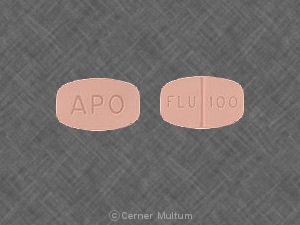
Tablets 100 mg: scored, beige, elliptical, film-coated
(debossed “1221” on one side and scored on the other)
Storage And Handling
Fluvoxamine Maleate Tablets USP are available in the
following strengths, colors, imprints, and presentations:
Tablets 25 mg: unscored, white, elliptical,
film-coated (debossed “1222” on one side)
Bottles of
100.............................NDC
62559-158-01
Tablets 50 mg: scored, yellow, elliptical, film-coated
(debossed “1225” on one side and scored on the other)
Bottles of
100.............................NDC
62559-159-01
Tablets 100 mg: scored, beige, elliptical,
film-coated (debossed “1221” on one side and scored on the other)
Bottles of
100.............................NDC
62559-160-01
Storage
Keep out of reach of children.
Fluvoxamine Maleate Tablets should be protected from high
humidity and stored at 20° to 25°C (68° to 77°F); excursions permitted to 15°
to 30°C (59° to 86°F).
Dispense in tight containers.
Manufactured by ANI Pharmaceuticals, Inc. Baudette, MN
56623. Revised: Jan 2017
Special warnings and precautions for use
WARNINGS
Included as part of the PRECAUTIONS section.
PRECAUTIONS
Clinical Worsening And Suicide Risk
Patients with major depressive disorder (MDD), both adult
and pediatric, may experience worsening of their depression and/or the
emergence of suicidal ideation and behavior (suicidality) or unusual changes in
behavior, whether or not they are taking antidepressant medications, and this
risk may persist until significant remission occurs. Suicide is a known risk of
depression and certain other psychiatric disorders, and these disorders
themselves are the strongest predictors of suicide. There has been a
long-standing concern, however, that antidepressants may have a role in
inducing worsening of depression and the emergence of suicidality in certain
patients during the early phases of treatment. Pooled analyses of short-term
placebo-controlled trials of antidepressant drugs (SSRIs and others) showed
that these drugs increase the risk of suicidal thinking and behavior
(suicidality) in children, adolescents, and young adults (ages 1824) with major
depressive disorder (MDD) and other psychiatric disorders. Short-term studies
did not show an increase in the risk of suicidality with antidepressants
compared to placebo in adults beyond age 24; there was a reduction with
antidepressants compared to placebo in adults aged 65 and older.
The pooled analyses of placebo-controlled trials in
children and adolescents with MDD, obsessive compulsive disorder (OCD), or
other psychiatric disorders included a total of 24 short-term trials of 9
antidepressant drugs in over 4400 patients. The pooled analyses of
placebo-controlled trials in adults with MDD or other psychiatric disorders
included a total of 295 short-term trials (median duration of 2 months) of 11
antidepressant drugs in over 77,000 patients. There was considerable variation
in risk of suicidality among drugs, but a tendency toward an increase in the
younger patients for almost all drugs studied. There were differences in
absolute risk of suicidality across the different indications, with the highest
incidence in MDD. The risk differences (drug vs placebo), however, were
relatively stable within age strata and across indications. These risk
differences (drug-placebo difference in the number of cases of suicidality per
1000 patients treated) are provided in Table 1.
TABLE 1 : DRUG-PLACEBO DIFFERENCES IN NUMBER OF CASES
OF SUICIDALITY PER 1000 PATIENTS TREATED
| Age Range |
|
| Increases Compared to Placebo |
| < 18 |
14 Additional Cases |
| 18-24 |
5 Additional Cases |
| Decreases Compared to Placebo |
| 25-64 |
1 Fewer Case |
| ≥ 65 |
6 Fewer Cases |
No suicides occurred in any of
the pediatric trials. There were suicides in the adult trials, but the number
was not sufficient to reach any conclusion about the drug effect on suicide.
It is unknown whether the
suicidality risk extends to longer-term use, i.e., beyond several months.
However, there is substantial evidence from placebo-controlled maintenance
trials in adults with depression that the use of antidepressants can delay the
recurrence of depression.
All patients being treated
with antidepressants for any indication should be monitored appropriately and
observed closely for clinical worsening, suicidality, and unusual changes in
behavior, especially during the initial few months of a course of drug therapy,
or at times of dose changes, either increases or decreases.
The following symptoms,
anxiety, agitation, panic attacks, insomnia, irritability, hostility,
aggressiveness, impulsivity, akathisia (psychomotor restlessness), hypomania,
and mania, have been reported in adult and pediatric patients being treated with
antidepressants for major depressive disorder as well as for other indications,
both psychiatric and nonpsychiatric. Although a causal link between the
emergence of such symptoms and either the worsening of depression and/or the
emergence of suicidal impulses has not been established, there is concern that
such symptoms may represent precursors to emerging suicidality.
Consideration should be given to changing the therapeutic
regimen, including possibly discontinuing the medication, in patients whose depression
is persistently worse, or who are experiencing emergent suicidality or symptoms
that might be precursors to worsening depression or suicidality, especially if
these symptoms are severe, abrupt in onset, or were not part of the patient's
presenting symptoms.
If the decision has been made to discontinue treatment,
medication should be tapered, as rapidly as is feasible, but with recognition
that abrupt discontinuation can be associated with certain symptoms.
Families and caregivers of patients being treated with
antidepressants for major depressive disorder or other indications, both
psychiatric and nonpsychiatric, should be alerted about the need to monitor
patients for the emergence of agitation, irritability, unusual changes in
behavior, and the other symptoms described above, as well as the emergence of
suicidality, and to report such symptoms immediately to healthcare providers.
Such monitoring should include daily observation by families and caregivers.
Prescriptions for Fluvoxamine Maleate Tablets should be written for the
smallest quantity of tablets consistent with good patient management, in order
to reduce the risk of overdose.
Screening Patients for Bipolar Disorder: A major
depressive episode may be the initial presentation of bipolar disorder. It is
generally believed (though not established in controlled trials) that treating
such an episode with an antidepressant alone may increase the likelihood of
precipitation of a mixed/manic episode in patients at risk for bipolar
disorder. Whether any of the symptoms described above represent such a
conversion is unknown. However, prior to initiating treatment with an
antidepressant, patients with depressive symptoms should be adequately screened
to determine if they are at risk for bipolar disorder; such screening should
include a detailed psychiatric history, including a family history of suicide,
bipolar disorder, and depression. It should be noted that Fluvoxamine Maleate
Tablets are not approved for use in treating bipolar depression.
Serotonin Syndrome
The development of a potentially life-threatening
serotonin syndrome has been reported with SNRIs and SSRIs, including
Fluvoxamine Maleate Tablets, alone but particularly with concomitant use of
serotonergic drugs (including triptans, tricyclic antidepressants, fentanyl,
lithium, tramadol, tryptophan, busipirone, amphetamines, and St. John's Wort)
and with drugs that impair metabolism of serotonin (in particular MAOIs, both
those intended to treat psychiatric disorders and also others, such as
linezolid and intravenous methylene blue).
Serotonin syndrome symptoms may include mental status
changes (e.g., agitation, hallucinations, delirium, and coma), autonomic
instability (e.g., tachycardia, labile blood pressure, dizziness, diaphoresis,
flushing, hyperthermia), neuromuscular aberrations (e.g., tremor, rigidity, myoclonus,
hyperreflexia, incoordination), seizures, and/or gastrointestinal symptoms
(e.g., nausea, vomiting, diarrhea). Patients should be monitored for the
emergence of serotonin syndrome.
The concomitant use of Fluvoxamine Maleate Tablets with
MAOIs intended to treat psychiatric disorders is contraindicated. Fluvoxamine
Maleate Tablets should also not be started in a patient who is being treated
with MAOIs such as linezolid or intravenous methylene blue. All reports with
methylene blue that provided information on the route of administration
involved intravenous administration in the dose range of 1 mg/kg to 8 mg/kg. No
reports involved the administration of methylene blue by other routes (such as
oral tablets or local tissue injection) or at lower doses. There may be
circumstances when it is necessary to initiate treatment with an MAOI such as
linezolid or intravenous methylene blue in a patient taking Fluvoxamine Maleate
Tablets. Fluvoxamine Maleate Tablets should be discontinued before initiating
treatment with the MAOI..
If concomitant use of Fluvoxamine Maleate Tablets with
other serotonergic drugs, including triptans, tricyclic antidepressants,
fentanyl, lithium, tramadol, buspirone, tryptophan, amphetamines, and St.
John's Wort is clinically warranted, patients should be made aware of a
potential increased risk for serotonin syndrome, particularly during treatment
initiation and dose increases.
Treatment with Fluvoxamine Maleate Tablets and any
concomitant serotonergic agents, should be discontinued immediately if the
above events occur and supportive symptomatic treatment should be initiated.
Angle Closure Glaucoma
The pupillary dilation that occurs following use of many antidepressant
drugs including Fluvoxamine Maleate Tablets may trigger an angle closure attack
in a patient with anatomically narrow angles who do not have a patent
iridectomy.
Potential Thioridazine Interaction
The effect of fluvoxamine (25 mg b.i.d. for one week) on
thioridazine steady-state concentrations was evaluated in 10 male inpatients
with schizophrenia. Concentrations of thioridazine and its two active
metabolites, mesoridazine and sulforidazine, increased threefold following
coadministration of fluvoxamine.
Thioridazine administration produces a dose-related
prolongation of the QTc interval, which is associated with serious ventricular
arrhythmias, such as torsades de pointes-type arrhythmias, and sudden death. It
is likely that this experience underestimates the degree of risk that might
occur with higher doses of thioridazine. Moreover, the effect of fluvoxamine
may be even more pronounced when it is administered at higher doses.
Therefore, fluvoxamine and thioridazine should not be
coadministered..
Potential Tizanidine Interaction
Fluvoxamine is a potent inhibitor of CYP1A2 and
tizanidine is a CYP1A2 substrate. The effect of fluvoxamine (100 mg daily for 4
days) on the pharmacokinetics and pharmacodynamics of a single 4 mg dose of
tizanidine has been studied in 10 healthy male subjects. Tizanidine Cmax was
increased approximately 12-fold (range 5fold to 32-fold), elimination half-life
was increased by almost 3-fold, and AUC increased 33-fold (range 14fold to 103-fold).
The mean maximal effect on blood pressure was a 35 mm Hg decrease in systolic
blood pressure, a 20 mm Hg decrease in diastolic blood pressure, and a 4
beat/min decrease in heart rate. Drowsiness was significantly increased and
performance on the psychomotor task was significantly impaired. Fluvoxamine and
tizanidine should not be used together..
Potential Pimozide Interaction
Pimozide is metabolized by the cytochrome P4503A4
isoenzyme, and it has been demonstrated that ketoconazole, a potent inhibitor
of CYP3A4, blocks the metabolism of this drug, resulting in increased plasma
concentrations of parent drug. An increased plasma concentration of pimozide
causes QT prolongation and has been associated with torsades de pointes-type
ventricular tachycardia, sometimes fatal. As noted below, a substantial
pharmacokinetic interaction has been observed for fluvoxamine in combination
with alprazolam, a drug that is known to be metabolized by CYP3A4. Although it
has not been definitively demonstrated that fluvoxamine is a potent CYP3A4
inhibitor, it is likely to be, given the substantial interaction of fluvoxamine
with alprazolam. Consequently, it is recommended that fluvoxamine not be used
in combination with pimozide..
Potential Alosetron Interaction
Because alosetron is metabolized by a variety of hepatic
CYP drug metabolizing enzymes, inducers or inhibitors of these enzymes may
change the clearance of alosetron. Fluvoxamine is a known potent inhibitor of
CYP1A2 and also inhibits CYP3A4, CYP2C9, and CYP2C19. In a pharmacokinetic
study, 40 healthy female subjects received fluvoxamine in escalating doses from
50 mg to 200 mg a day for 16 days, with coadministration of alosetron 1 mg on
the last day. Fluvoxamine increased mean alosetron plasma concentration (AUC)
approximately 6-fold and prolonged the half-life by approximately 3-fold..
Other Potentially Important Drug Interactions
Benzodiazepines: Benzodiazepines metabolized by
hepatic oxidation (e.g., alprazolam, midazolam, triazolam, etc.) should be used
with caution because the clearance of these drugs is likely to be reduced by
fluvoxamine. The clearance of benzodiazepines metabolized by glucuronidation
(e.g., lorazepam, oxazepam, temazepam) is unlikely to be affected by
fluvoxamine.
Alprazolam -When fluvoxamine maleate (100 mg q.d.)
and alprazolam (1 mg q.i.d.) were coadministered to steady state, plasma
concentrations and other pharmacokinetic parameters (AUC, Cmax, T½) of
alprazolam were approximately twice those observed when alprazolam was
administered alone; oral clearance was reduced by about 50%. The elevated
plasma alprazolam concentrations resulted in decreased psychomotor performance
and memory. This interaction, which has not been investigated using higher
doses of fluvoxamine, may be more pronounced if a 300 mg daily dose is
coadministered, particularly since fluvoxamine exhibits non-linear
pharmacokinetics over the dosage range 100-300 mg. If alprazolam is
coadministered with Fluvoxamine Maleate Tablets, the initial alprazolam dosage
should be at least halved and titration to the lowest effective dose is
recommended. No dosage adjustment is required for Fluvoxamine Maleate Tablets.
Diazepam -The coadministration of Fluvoxamine
Maleate Tablets and diazepam is generally not advisable. Because fluvoxamine
reduces the clearance of both diazepam and its active metabolite,
Ndesmethyldiazepam, there is a strong likelihood of substantial accumulation of
both species during chronic coadministration.
Evidence supporting the conclusion that it is inadvisable
to coadminister fluvoxamine and diazepam is derived from a study in which
healthy volunteers taking 150 mg/day of fluvoxamine were administered a single
oral dose of 10 mg of diazepam. In these subjects (N=8), the clearance of
diazepam was reduced by 65% and that of N-desmethyldiazepam to a level that was
too low to measure over the course of the 2 week long study.
It is likely that this experience significantly
underestimates the degree of accumulation that might occur with repeated
diazepam administration. Moreover, as noted with alprazolam, the effect of
fluvoxamine may even be more pronounced when it is administered at higher
doses.
Accordingly, diazepam and fluvoxamine should not
ordinarily be coadministered.
Clozapine -Elevated serum levels of clozapine have
been reported in patients taking fluvoxamine maleate and clozapine. Since
clozapine-related seizures and orthostatic hypotension appear to be dose
related, the risk of these adverse events may be higher when fluvoxamine and
clozapine are coadministered. Patients should be closely monitored when
fluvoxamine maleate and clozapine are used concurrently.
Methadone: Significantly increased methadone
(plasma level:dose) ratios have been reported when fluvoxamine maleate was
administered to patients receiving maintenance methadone treatment, with
symptoms of opioid intoxication in one patient. Opioid withdrawal symptoms were
reported following fluvoxamine maleate discontinuation in another patient.
Mexiletine: The effect of steady-state fluvoxamine
(50 mg b.i.d. for 7 days) on the single dose pharmacokinetics of mexiletine
(200 mg) was evaluated in 6 healthy Japanese males. The clearance of mexiletine
was reduced by 38% following coadministration with fluvoxamine compared to
mexiletine alone. If fluvoxamine and mexiletine are coadministered, serum
mexiletine levels should be monitored.
Ramelteon: When fluvoxamine 100 mg twice daily was
administered for 3 days prior to single-dose coadministration of ramelteon 16
mg and fluvoxamine, the AUC for ramelteon increased approximately 190fold and
the Cmax increased approximately 70-fold compared to ramelteon administered
alone. Ramelteon should not be used in combination with fluvoxamine.
Theophylline: The effect of steady-state
fluvoxamine (50 mg bid) on the pharmacokinetics of a single dose of
theophylline (375 mg as 442 mg aminophylline) was evaluated in 12 healthy
non-smoking, male volunteers. The clearance of theophylline was decreased
approximately 3-fold. Therefore, if theophylline is coadministered with
fluvoxamine maleate, its dose should be reduced to one-third of the usual daily
maintenance dose and plasma concentrations of theophylline should be monitored.
No dosage adjustment is required for Fluvoxamine Maleate Tablets.
Warfarin and Other Drugs That Interfere With
Hemostasis (NSAIDs, Aspirin, etc.): Serotonin release by platelets plays an
important role in hemostasis. Epidemiological studies of the case-control and
cohort design have demonstrated an association between use of psychotropic
drugs that interfere with serotonin reuptake and the occurrence of upper
gastrointestinal bleeding. These studies have also shown that concurrent use of
an NSAID or aspirin may potentiate this risk of bleeding. Thus, patients should
be cautioned about the use of such drugs concurrently with fluvoxamine.
Warfarin -When fluvoxamine maleate (50 mg t.i.d.)
was administered concomitantly with warfarin for two weeks, warfarin plasma
concentrations increased by 98% and prothrombin times were prolonged. Thus
patients receiving oral anticoagulants and Fluvoxamine Maleate Tablets should have
their prothrombin time monitored and their anticoagulant dose adjusted
accordingly. No dosage adjustment is required for Fluvoxamine Maleate Tablets.
Dicontinuation Of Treatment With Fluvoxamine Maleate
Tablets
During marketing of Fluvoxamine Maleate Tablets and other
SSRIs and SNRIs (serotonin and norepinephrine reuptake inhibitors), there have
been spontaneous reports of adverse events occurring upon discontinuation of
these drugs, particularly when abrupt, including the following: dysphoric mood,
irritability, agitation, dizziness, sensory disturbances (e.g., paresthesias,
such as electric shock sensations), anxiety, confusion, headache, lethargy,
emotional lability, insomnia, and hypomania. While these events are generally
self-limiting, there have been reports of serious discontinuation symptoms.
Patients should be monitored for these symptoms when
discontinuing treatment with Fluvoxamine Maleate Tablets. A gradual reduction
in the dose rather than abrupt cessation is recommended whenever possible. If
intolerable symptoms occur following a decrease in the dose or upon
discontinuation of treatment, then resuming the previously prescribed dose may
be considered. Subsequently, the physician may continue decreasing the dose but
at a more gradual rate..
Abnormal Bleeding
SSRIs and SNRIs, including Fluvoxamine Maleate Tablets,
may increase the risk of bleeding events. Concomitant use of aspirin, nonsteroidal
anti-inflammatory drugs, warfarin, and other anticoagulants may add to this
risk. Case reports and epidemiological studies (case-control and cohort design)
have demonstrated an association between use of drugs that interfere with
serotonin reuptake and the occurrence of gastrointestinal bleeding. Bleeding
events related to SSRIs and SNRIs have ranged from ecchymoses, hematomas,
epistaxis, and petechiae to life-threatening hemorrhages.
Patients should be cautioned about the risk of bleeding
associated with the concomitant use of Fluvoxamine Maleate Tablets and NSAIDs,
aspirin, or other drugs that affect coagulation.
Activation Of Mania/Hypomania
During premarketing studies involving primarily depressed
patients, hypomania or mania occurred in approximately 1% of patients treated
with fluvoxamine. In a ten week pediatric OCD study, 2 out of 57 patients (4%)
treated with fluvoxamine experienced manic reactions, compared to none of 63
placebo patients. Activation of mania/hypomania has also been reported in a
small proportion of patients with major affective disorder who were treated
with other marketed antidepressants. As with all antidepressants, Fluvoxamine
Maleate Tablets should be used cautiously in patients with a history of mania.
Siezures
During premarketing studies, seizures were reported in
0.2% of fluvoxamine-treated patients. Caution is recommended when the drug is
administered to patients with a history of convulsive disorders. Fluvoxamine
should be avoided in patients with unstable epilepsy and patients with
controlled epilepsy should be carefully monitored. Treatment with fluvoxamine
should be discontinued if seizures occur or if seizure frequency increases.
Hyponatremia
Hyponatremia may occur as a result of treatment with
SSRIs and SNRIs, including Fluvoxamine Maleate Tablets. In many cases, this
hyponatremia appears to be the result of the syndrome of inappropriate
antidiuretic hormone (SIADH). Cases with serum sodium lower than 110 mmol/L have
been reported. Elderly patients may be at greater risk of developing
hyponatremia with SSRIs and SNRIs. Also, patients taking diuretics or who are otherwise volume depleted
may be at greater risk. Discontinuation of Fluvoxamine Maleate Tablets should
be considered in patients with symptomatic hyponatremia and appropriate medical
intervention should be instituted.
Signs and symptoms of hyponatremia include headache,
difficulty concentrating, memory impairment, confusion, weakness, and
unsteadiness, which may lead to falls. Signs and symptoms associated with more
severe and/or acute cases have included hallucination, syncope, seizure, coma,
respiratory arrest, and death.
Use In Patients With Concomitant Illness
Closely monitored clinical experience with Fluvoxamine
Maleate Tablets in patients with concomitant systemic illness is limited.
Caution is advised in administering Fluvoxamine Maleate Tablets to patients
with diseases or conditions that could affect hemodynamic responses or
metabolism.
Fluvoxamine Maleate Tablets have not been evaluated or
used to any appreciable extent in patients with a recent history of myocardial
infarction or unstable heart disease. Patients with these diagnoses were
systematically excluded from many clinical studies during the product's
premarketing testing. Evaluation of the electrocardiograms for patients with
depression or OCD who participated in premarketing studies revealed no
differences between fluvoxamine and placebo in the emergence of clinically
important ECG changes.
Patients with Hepatic Impairment -In patients with liver
dysfunction, fluvoxamine clearance was decreased by approximately 30%. Patients
with liver dysfunction should begin with a low dose of Fluvoxamine Maleate
Tablets and increase it slowly with careful monitoring.
Laboratory Tests
There are no specific laboratory tests recommended.
Patient Counseling Information
Prescribers or other health professionals should inform
patients, their families, and their caregivers about the benefits and risks
associated with treatment with Fluvoxamine Maleate Tablets and should counsel
them in the appropriate use. A patient Medication Guide about “Antidepressant
Medicines, Depression and other Serious Mental Illnesses, and Suicidal Thoughts
or Actions” is available for Fluvoxamine Maleate Tablets. The prescriber or
health professional should instruct patients, their families, and their
caregivers to read the Medication Guide and should assist them in understanding
its contents. Patients should be given the opportunity to discuss the contents
of the Medication Guide and to obtain answers to any questions they may have.
The complete text of the Medication Guide is reprinted at the end of this
document.
Patients should be advised of the following issues and
asked to alert their prescriber if these occur while taking Fluvoxamine Maleate
Tablets.
Clinical Worsening And Suicide Risk
Patients, their families, and their caregivers should be
encouraged to be alert to the emergence of anxiety, agitation, panic attacks,
insomnia, irritability, hostility, aggressiveness, impulsivity, akathisia
(psychomotor restlessness), hypomania, mania, other unusual changes in
behavior, worsening of depression, and suicidal ideation, especially early
during antidepressant treatment and when the dose is adjusted up or down.
Families and caregivers of patients should be advised to look for the emergence
of such symptoms on a day-to-day basis, since changes may be abrupt. Such
symptoms should be reported to the patient's prescriber or health professional,
especially if they are severe, abrupt in onset, or were not part of the
patient's presenting symptoms. Symptoms such as these may be associated with an
increased risk for suicidal thinking and behavior and indicate the need for
very close monitoring and possibly changes in the medication.
Serotonin Syndrome
Patients should be cautioned about the risk of serotonin
syndrome particularly with the concomitant use of fluvoxamine with other
serotonergic agents (including triptans, tricyclic antidepressants, fentanyl,
lithium, tramadol, tryptophan, buspirone, amphetamines, and St. John's Wort)
.
Angle Closure Glaucoma
Patients should be advised that taking Fluvoxamine
Maleate Tablets can cause mild pupillary dilation, which in susceptible
individuals, can lead to an episode of angle closure glaucoma. Pre-existing
glaucoma is almost always open-angle glaucoma because angle closure glaucoma,
when diagnosed, can be treated definitively with iridectomy. Open-angle glaucoma
is not a risk factor for angle closure glaucoma. Patients may wish to be
examined to determine whether they are susceptible to angle closure, and have a
prophylactic procedure (e.g., iridectomy), if they are susceptible.
Interference With Cognitive Or Motor Performance
Since any psychoactive drug may impair judgment,
thinking, or motor skills, patients should be cautioned about operating
hazardous machinery, including automobiles, until they are certain that
Fluvoxamine Maleate Tablets therapy does not adversely affect their ability to
engage in such activities.
Pregnancy
Patients should be advised to notify their physicians if
they become pregnant or intend to become pregnant during therapy with Fluvoxamine
Maleate Tablets.
Nursing
Patients receiving Fluvoxamine Maleate Tablets should be
advised to notify their physicians if they are breastfeeding an infant..
Concomitant Medication
Patients should be advised to notify their physicians if
they are taking, or plan to take, any prescription or overthe-counter drugs,
since there is a potential for clinically important interactions with
Fluvoxamine Maleate Tablets.
Patients should be cautioned about the concomitant use of
fluvoxamine and NSAIDs, aspirin, or other drugs that affect coagulation since
the combined use of psychotropic drugs that interfere with serotonin reuptake
and these agents has been associated with an increased risk of bleeding.
Because of the potential for the increased risk of
serious adverse reactions including severe lowering of blood pressure and
sedation when fluvoxamine and tizanidine are used together, fluvoxamine should
not be used with tizanidine.
Because of the potential for the increased risk of
serious adverse reactions when fluvoxamine and alosetron are used together,
fluvoxamine should not be used with Lotronex™(alosetron).
Alcohol
As with other psychotropic medications, patients should
be advised to avoid alcohol while taking Fluvoxamine Maleate Tablets.
Allergic Reactions
Patients should be advised to notify their physicians if
they develop a rash, hives, or a related allergic phenomenon during therapy
with Fluvoxamine Maleate Tablets.
Nonclinical Toxicology
Carcinogenesis, Mutagenesis,
Impairment Of Fertility
Carcinogenesis
There was no evidence of carcinogenicity in rats treated
orally with fluvoxamine maleate for 30 months or hamsters treated orally with
fluvoxamine maleate for 20 (females) or 26 (males) months. The daily doses in
the high dose groups in these studies were increased over the course of the
study from a minimum of 160 mg/kg to a maximum of 240 mg/kg in rats, and from a
minimum of 135 mg/kg to a maximum of 240 mg/kg in hamsters. The maximum dose of
240 mg/kg is approximately 6 times the maximum human daily dose on a mg/m² basis.
Mutagenesis
No evidence of genotoxic potential was observed in a
mouse micronucleus test, an in vitro chromosome aberration test, or the Ames
microbial mutagen test with or without metabolic activation.
Impairment Of Fertility
In a study in which male and female rats were
administered fluvoxamine (60, 120, or 240 mg/kg) prior to and during mating and
gestation, fertility was impaired at oral doses of 120 mg/kg or greater, as
evidenced by increased latency to mating, decreased sperm count, decreased
epididymal weight, and decreased pregnancy rate. In addition, the numbers of
implantations and embryos were decreased at the highest dose. The no effect
dose for fertility impairment was 60 mg/kg (approximately 2 times the maximum
recommended human dose [MRHD] on a mg/m² basis).
Use In Specific Populations
Pregnancy
Teratogenic Effects
Pregnancy Category C: When pregnant rats were
given oral doses of fluvoxamine (60, 120, or 240 mg/kg) throughout the period
of organogenesis, developmental toxicity in the form of increased embryofetal
death and increased incidences of fetal eye abnormalities (folded retinas) was
observed at doses of 120 mg/kg or greater. Decreased fetal body weight was seen
at the high dose. The no effect dose for developmental toxicity in this study
was 60 mg/kg (approximately 2 times the MRHD on a mg/m² basis).
In a study in which pregnant rabbits were administered
doses of up to 40 mg/kg (approximately 2 times the MRHD on a mg/m² basis)
during organogenesis, no adverse effects on embryofetal development were
observed.
In other reproduction studies in which female rats were
dosed orally during pregnancy and lactation (5, 20, 80, or 160 mg/kg),
increased pup mortality at birth was seen at doses of 80 mg/kg or greater and
decreases in pup body weight and survival were observed at all doses (low
effect dose approximately 0.1 times the MRHD on a mg/m² basis).
Nonteratogenic Effects
Neonates exposed to Fluvoxamine Maleate Tablets and other
SSRIs or serotonin and norepinephrine reuptake inhibitors (SNRIs), late in the
third trimester have developed complications requiring prolonged
hospitalization, respiratory support, and tube feeding. Such complications can
arise immediately upon delivery. Reported clinical findings have included
respiratory distress, cyanosis, apnea, seizures, temperature instability,
feeding difficulty, vomiting, hypoglycemia, hypotonia, hypertonia,
hyperreflexia, tremor, jitteriness, irritability, and constant crying. These
features are consistent with either a direct toxic effect of SSRIs and SNRIs
or, possi
Dosage (Posology) and method of administration
Adults
The recommended starting dose for Fluvoxamine Maleate
Tablets in adult patients is 50 mg, administered as a single daily dose at
bedtime. In the controlled clinical trials establishing the effectiveness of
Fluvoxamine Maleate Tablets in OCD, patients were titrated within a dose range
of 100 to 300 mg/day. Consequently, the dose should be increased in 50 mg
increments every 4 to 7 days, as tolerated, until maximum therapeutic benefit
is achieved, not to exceed 300 mg per day. It is advisable that a total daily
dose of more than 100 mg should be given in two divided doses. If the doses are
not equal, the larger dose should be given at bedtime.
Pediatric Population (children and adolescents)
The recommended starting dose for Fluvoxamine Maleate
Tablets in pediatric populations (ages 8-17 years) is 25 mg, administered as a
single daily dose at bedtime. In a controlled clinical trial establishing the
effectiveness of Fluvoxamine Maleate Tablets in OCD, pediatric patients (ages
8-17) were titrated within a dose range of 50 to 200 mg/day. Physicians should
consider age and gender differences when dosing pediatric patients. The maximum
dose in children up to age 11 should not exceed 200 mg/day. Therapeutic effect
in female children may be achieved with lower doses. Dose adjustment in
adolescents (up to the adult maximum dose of 300 mg) may be indicated to
achieve therapeutic benefit. The dose should be increased in 25 mg increments
every 4 to 7 days, as tolerated, until maximum therapeutic benefit is achieved.
It is advisable that a total daily dose of more than 50 mg should be given in
two divided doses. If the two divided doses are not equal, the larger dose
should be given at bedtime.
Elderly Or Hepatically Impaired Patients
Elderly patients and those with hepatic impairment have
been observed to have a decreased clearance of fluvoxamine maleate.
Consequently, it may be appropriate to modify the initial dose and the
subsequent dose titration for these patient groups.
Pregnant Women During The Third Trimester
Neonates exposed to Fluvoxamine Maleate Tablets and other
SSRIs or SNRIs late in the third trimester have developed complications
requiring prolonged hospitalization, respiratory support, and tube feeding and
may be at risk for persistent pulmonary hypertension of the newborn (PPHN).
. When treating pregnant women with
Fluvoxamine Maleate Tablets during the third trimester, the physician should
carefully consider the potential risks and benefits of treatment.
Switching A Patient To Or From A Monoamine Oxidase
Inhibitor (MAOI) Intended To Treat Psychiatric Disorders
At least 14 days should elapse between discontinuation of
an MAOI intended to treat psychiatric disorders and initiation of therapy with
Fluvoxamine Maleate Tablets. Conversely, at least 14 days should be allowed
after stopping Fluvoxamine Maleate Tablets before starting an MAOI intended to
treat psychiatric disorders.
Use Of Fluvoxamine Maleate Tablets With Other MAOIs Such
As Linezolid Or Methylene Blue
Do not start Fluvoxamine Maleate Tablets in a patient who
is being treated with linezolid or intravenous methylene blue because there is
an increased risk of serotonin syndrome. In a patient who requires more urgent
treatment of a psychiatric condition, other interventions, including hospitalization,
should be considered.
In some cases, a patient already receiving Fluvoxamine
Maleate Tablets therapy may require urgent treatment with linezolid or
intravenous methylene blue. If acceptable alternatives to linezolid or
intravenous methylene blue treatment are not available and the potential
benefits of linezolid or intravenous methylene blue treatment are judged to
outweigh the risks of serotonin syndrome in a particular patient, Fluvoxamine
Maleate Tablets should be stopped promptly, and linezolid or intravenous
methylene blue can be administered. The patient should be monitored for
symptoms of serotonin syndrome for two weeks or until 24 hours after the last
dose of linezolid or intravenous methylene blue, whichever comes first. Therapy
with Fluvoxamine Maleate Tablets may be resumed 24 hours after the last dose of
linezolid or intravenous methylene blue.
The risk of administering methylene blue by
non-intravenous routes (such as oral tablets or by local injection) or in
intravenous doses much lower than 1 mg/kg with Fluvoxamine Maleate Tablets is
unclear. The clinician should, nevertheless, be aware of the possibility of
emergent symptoms of serotonin syndrome with such use.
Maintenance/Continuation Extended Treatment
It is generally agreed that obsessive compulsive disorder
requires several months or longer of sustained pharmacologic therapy. The
benefit of maintaining patients with OCD on Fluvoxamine Maleate Tablets after
achieving a response for an average duration of about 4 weeks in a 10-week
single-blind phase during which patients were titrated to effect was
demonstrated in a controlled trial. The physician
who elects to use Fluvoxamine Maleate Tablets for extended periods should
periodically re-evaluate the long-term usefulness of the drug for the
individual patient.
Discontinuation Of Treatment With Fluvoxamine Maleate
Tablets
Symptoms associated with discontinuation of other SSRIs
or SNRIs have been reported.. Patients
should be monitored for these symptoms when discontinuing treatment. A gradual
reduction in the dose rather than abrupt cessation is recommended whenever
possible. If intolerable symptoms occur following a decrease in the dose or
upon discontinuation of treatment, then resuming the previously prescribed dose
may be considered. Subsequently, the physician may continue decreasing the dose
but at a more gradual rate.
Interaction with other medicinal products and other forms of interaction
SIDE EFFECTS
Adverse Reactions Leading To Treatment Discontinuation
Of the 1087 OCD and depressed patients treated with
fluvoxamine maleate in controlled clinical trials in North America, 22%
discontinued due to an adverse reaction. Adverse reactions that led to
discontinuation in at least 2% of fluvoxamine maleate-treated patients in these
trials were: nausea (9%), insomnia (4%), somnolence (4%), headache (3%), and
asthenia, vomiting, nervousness, agitation, and dizziness (2% each).
Incidence In Controlled Trials
Commonly Observed Adverse Reactions In Controlled
Clinical Trials
Fluvoxamine Maleate Tablets have been studied in 10-week
short-term controlled trials of OCD (N=320) and depression (N=1350). In
general, adverse reaction rates were similar in the two data sets as well as in
the pediatric OCD study. The most commonly observed adverse reactions
associated with the use of Fluvoxamine Maleate Tablets and likely to be
drug-related (incidence of 5% or greater and at least twice that for placebo)
derived from Table 2 were: nausea, somnolence, insomnia, asthenia,
nervousness, dyspepsia, abnormal ejaculation, sweating, anorexia, tremor,
and vomiting. In a pool of two studies involving only patients with OCD,
the following additional reactions were identified using the above rule:
anorgasmia, decreased libido, dry mouth, rhinitis, taste perversion, and
urinary frequency. In a study of pediatric patients with OCD, the following
additional reactions were identified using the above rule: agitation,
depression, dysmenorrhea, flatulence, hyperkinesia, and rash.
Adverse Reactions Occurring at an Incidence of 1%: Table
2 enumerates adverse reactions that occurred in adults at a frequency of 1% or
more, and were more frequent than in the placebo group, among patients treated
with Fluvoxamine Maleate Tablets in two short-term placebo controlled OCD
trials (10 week) and depression trials (6 week) in which patients were dosed in
a range of generally 100 to 300 mg/day. This table shows the percentage of
patients in each group who had at least one occurrence of a reaction at some
time during their treatment. Reported adverse reactions were classified using a
standard COSTART-based Dictionary terminology.
The prescriber should be aware that these figures cannot
be used to predict the incidence of side effects in the course of usual medical
practice where patient characteristics and other factors may differ from those
that prevailed in the clinical trials. Similarly, the cited frequencies cannot
be compared with figures obtained from other clinical investigations involving
different treatments, uses, and investigators. The cited figures, however, do
provide the prescribing physician with some basis for estimating the relative
contribution of drug and non-drug factors to the side-effect incidence rate in
the population studied.
TABLE 2 : TREATMENT-EMERGENT ADVERSE REACTION
INCIDENCE RATES BY BODY SYSTEM IN ADULT OCD AND DEPRESSION POPULATIONS COMBINED1
| BODY SYSTEM/ ADVERSE REACTION |
Percentage of Patients Reporting Reaction |
FLUVOXAMINE
N=892 |
PLACEBO
N=778 |
| BODY AS WHOLE |
| Headache |
22 |
20 |
| Asthenia |
14 |
6 |
| Flu Syndrome |
3 |
2 |
| Chills |
2 |
1 |
| CARDIOVASCULAR |
| Palpitations |
3 |
2 |
| DIGESTIVE SYSTEM |
| Nausea |
40 |
14 |
| Diarrhea |
11 |
7 |
| Constipation |
10 |
8 |
| Dyspepsia |
10 |
5 |
| Anorexia |
6 |
2 |
| Vomiting |
5 |
2 |
| Flatulence |
4 |
3 |
| Tooth Disorder2 |
3 |
1 |
| Dysphagia |
2 |
1 |
| NERVOUS SYSTEM |
| Somnolence |
22 |
8 |
| Insomnia |
21 |
10 |
| Dry Mouth |
14 |
10 |
| Nervousness |
12 |
5 |
| Dizziness |
11 |
6 |
| Tremor |
5 |
1 |
| Anxiety |
5 |
3 |
| Vasodilatation3 |
3 |
1 |
| Hypertonia |
2 |
1 |
| Agitation |
2 |
1 |
| Decreased Libido |
2 |
1 |
| Depression |
2 |
1 |
| CNS Stimulation |
2 |
1 |
| RESPIRATORY SYSTEM |
| Upper Respiratory Infection |
9 |
5 |
| Dyspnea |
2 |
1 |
| Yawn |
2 |
0 |
| SKIN |
| Sweating |
7 |
3 |
| SPECIAL SENSES |
| Taste Perversion |
3 |
1 |
| Amblyopia4 |
3 |
2 |
| UROGENITAL |
| Abnormal Ejaculation5,6 |
8 |
1 |
| Urinary Frequency |
3 |
2 |
| Impotence6 |
2 |
1 |
| Anorgasmia |
2 |
0 |
| Urinary Retention |
1 |
0 |
1 Reactions for which fluvoxamine maleate
incidence was equal to or less than placebo are  not listed in the table above.
2 Includes “toothache,” “tooth extraction and abscess,” and
“caries.”
3 Mostly feeling warm, hot, or flushed.
4 Mostly “blurred vision.”
5 Mostly “delayed ejaculation.”
6 Incidence based on number of male patients. |
Adverse Reactions in OCD Placebo
Controlled Studies Which are Markedly Different (defined as at least a two-fold
difference) in Rate from the Pooled Reaction Rates in OCD and Depression
Placebo Controlled Studies: The reactions
in OCD studies with a two-fold decrease in rate compared to reaction rates in
OCD and depression studies were dysphagia and amblyopia (mostly blurred
vision). Additionally, there was an approximate 25% decrease in nausea.
The reactions in OCD studies
with a two-fold increase in rate compared to reaction rates in OCD and
depression studies were: asthenia, abnormal ejaculation (mostly delayed
ejaculation), anxiety, rhinitis, anorgasmia (in males), depression, libido
decreased, pharyngitis, agitation, impotence, myoclonus/twitch, thirst, weight
loss, leg cramps, myalgia, and urinary retention. These reactions
are listed in order of decreasing rates in the OCD trials.
Other Adverse Reactions In OCD
Pediatric Population
In pediatric patients (N=57)
treated with Fluvoxamine Maleate Tablets, the overall profile of adverse
reactions was generally similar to that seen in adult studies, as shown in
Table 2. However, the following adverse reactions, not appearing in Table 2,
were reported in two or more of the pediatric patients and were more frequent
with Fluvoxamine Maleate Tablets than with placebo: cough increase,
dysmenorrhea, ecchymosis, emotional lability, epistaxis, hyperkinesia, manic
reaction, rash, sinusitis, and weight decrease.
Male And Female Sexual
Dysfunction With SSRIs
Although changes in sexual
desire, sexual performance and sexual satisfaction often occur as
manifestations of a psychiatric disorder and with aging, they may also be a
consequence of pharmacologic treatment. In particular, some evidence
suggests that selective serotonin reuptake inhibitors (SSRIs), can cause such
untoward sexual experiences.
Reliable estimates of the incidence and severity of
untoward experiences involving sexual desire, performance and satisfaction are
difficult to obtain, however, in part because patients and physicians may be
reluctant to discuss them. Accordingly, estimates of the incidence of untoward
sexual experience and performance cited in product labeling are likely to
underestimate their actual incidence.
Table 3 displays the incidence of sexual side effects
reported by at least 2% of patients taking Fluvoxamine Maleate Tablets in
placebo-controlled trials in depression and OCD.
TABLE 3 : PERCENTAGE OF PATIENTS REPORTING SEXUAL
ADVERSE REACTIONS IN ADULT PLACEBO-CONTROLLED TRIALS IN OCD AND DEPRESSION
| |
Fluvoxamine Maleate Tablets
N=892 |
Placebo
N=778 |
| Abnormal Ejaculation* |
8% |
1% |
| Impotence* |
2% |
1% |
| Decreased Libido |
2% |
1% |
| Anorgasmia |
2% |
0% |
| * Based on the number of male
patients. |
There are no adequate and well-controlled studies examining sexual dysfunction with fluvoxamine
treatment.
Fluvoxamine treatment has been
associated with several cases of priapism. In those cases with a known outcome,
patients recovered without sequelae and upon discontinuation of fluvoxamine.
While it is difficult to know
the precise risk of sexual dysfunction associated with the use of SSRIs,
physicians should routinely inquire about such possible side effects.
Vital Sign Changes
Comparisons of fluvoxamine
maleate and placebo groups in separate pools of short-term OCD and depression
trials on (1) median change from baseline on various vital signs variables and
on (2) incidence of patients meeting criteria for potentially important changes
from baseline on various vital signs variables revealed no important
differences between fluvoxamine maleate and placebo.
Laboratory Changes
Comparisons of fluvoxamine maleate
and placebo groups in separate pools of short-term OCD and depression trials on
(1) median change from baseline on various serum chemistry, hematology, and
urinalysis variables and on (2) incidence of patients meeting criteria for
potentially important changes from baseline on various serum chemistry,
hematology, and urinalysis variables revealed no important differences between
fluvoxamine maleate and placebo.
ECG Changes
Comparisons of fluvoxamine
maleate and placebo groups in separate pools of short-term OCD and depression
trials on (1) mean change from baseline on various ECG variables and on (2)
incidence of patients meeting criteria for potentially important changes
from baseline on various ECG variables revealed no important differences
between fluvoxamine maleate and placebo.
Other Reactions Observed During The Premarketing
Evaluation Of Fluvoxamine Maleate Tablets
During premarketing clinical trials conducted in North America
and Europe, multiple doses of fluvoxamine maleate were administered for a
combined total of 2737 patient exposures in patients suffering OCD or Major
Depressive Disorder. Untoward reactions associated with this exposure were
recorded by clinical investigators using descriptive terminology of their own
choosing. Consequently, it is not possible to provide a meaningful estimate of
the proportion of individuals experiencing adverse reactions without first
grouping similar types of untoward reactions into a limited (i.e., reduced)
number of standard reaction categories.
In the tabulations which follow, a standard COSTART-based
Dictionary terminology has been used to classify reported adverse reactions. If
the COSTART term for a reaction was so general as to be uninformative, it was
replaced with a more informative term. The frequencies presented, therefore,
represent the proportion of the 2737 patient exposures to multiple doses of
fluvoxamine maleate who experienced a reaction of the type cited on at least
one occasion while receiving fluvoxamine maleate. All reported reactions are
included in the list below, with the following exceptions: 1) those reactions
already listed in Table 2, which tabulates incidence rates of common adverse
experiences in placebo-controlled OCD and depression clinical trials, are
excluded; 2) those reactions for which a drug cause was not considered likely
are omitted; 3) reactions for which the COSTART term was too vague to be
clinically meaningful and could not be replaced with a more informative term;
and 4) reactions which were reported in only one patient and judged to not be
potentially serious are not included. It is important to emphasize that,
although the reactions reported did occur during treatment with fluvoxamine maleate,
a causal relationship to fluvoxamine maleate has not been established.
Reactions are further classified within body system
categories and enumerated in order of decreasing frequency using the following
definitions: frequent adverse reactions are defined as those occurring on one
or more occasions in at least 1/100 patients; infrequent adverse reactions are
those occurring between 1/100 and 1/1000 patients; and rare adverse reactions
are those occurring in less than 1/1000 patients.
Body as a Whole - Frequent: malaise; Infrequent:
photosensitivity reaction and suicide attempt.
Cardiovascular System - Frequent: syncope.
Digestive System - Infrequent:
gastrointestinal hemorrhage and melena; Rare: hematemesis.
Hemic and Lymphatic Systems - Infrequent:
anemia and ecchymosis; Rare: purpura.
Metabolic and Nutritional Systems - Frequent:
weight gain and weight loss.
Nervous System - Frequent: hyperkinesia,
manic reaction, and myoclonus; Infrequent: abnormal dreams, akathisia,
convulsion, dyskinesia, dystonia, euphoria, extrapyramidal syndrome, and
twitching; Rare: withdrawal syndrome.
Respiratory System - Infrequent: epistaxis.
Rare: hemoptysis and laryngismus.
Skin - Infrequent: urticaria.
Urogenital System* - Infrequent: hematuria,
menorrhagia, and vaginal hemorrhage; Rare: hematospermia.
* Based on the number of males or females, as
appropriate.
Postmarketing Reports
Voluntary reports of adverse reactions in patients taking
Fluvoxamine Maleate Tablets that have been received since market introduction
and are of unknown causal relationship to Fluvoxamine Maleate Tablets use
include: acute renal failure, agranulocytosis, amenorrhea, anaphylactic
reaction, angioedema, aplastic anemia, bullous eruption, Henoch-Schoenlein purpura,
hepatitis, ileus, pancreatitis, porphyria, Stevens-Johnson syndrome, toxic
epidermal necrolysis, vasculitis, and ventricular tachycardia (including
torsades de pointes).
DRUG INTERACTIONS
Potential Interactions With Drugs That Inhibit Or Are Metabolized
By Cytochrome P450 Isoenzymes
Multiple hepatic cytochrome P450 isoenzymes are involved
in the oxidative biotransformation of a large number of structurally different
drugs and endogenous compounds. The available knowledge concerning the relationship
of fluvoxamine and the cytochrome P450 isoenzyme system has been obtained
mostly from pharmacokinetic interaction studies conducted in healthy
volunteers, but some preliminary in vitro data are also available. Based on a
finding of substantial interactions of fluvoxamine with certain of these drugs
and
limited in vitro data for CYP3A4, it appears that fluvoxamine inhibits several
cytochrome P450 isoenzymes that are known to be involved in the metabolism of
other drugs such as: CYP1A2 (e.g., warfarin, theophylline, propranolol,
tizanidine), CYP2C9 (e.g., warfarin), CYP3A4 (e.g., alprazolam), and CYP2C19
(e.g., omeprazole).
In vitro data suggest that fluvoxamine is a relatively weak
inhibitor of CYP2D6.
Approximately 7% of the normal population has a genetic
code that leads to reduced levels of activity of CYP2D6. Such individuals have
been referred to as “poor metabolizers” (PM) of drugs such as
debrisoquin, dextromethorphan, and tricyclic antidepressants. While none of the
drugs studied for drug interactions significantly affected the pharmacokinetics
of fluvoxamine, an in vivo study of fluvoxamine single-dose pharmacokinetics in
13 PM subjects demonstrated altered pharmacokinetic properties compared to 16
“extensive metabolizers” (EM): mean Cmax, AUC, and half-life were
increased by 52%, 200%, and 62%, respectively, in the PM compared to the EM
group. This suggests that fluvoxamine is metabolized, at least in part, by
CYP2D6. Caution is indicated in patients known to have reduced levels of CYP2D6
activity and those receiving concomitant drugs known to inhibit this cytochrome
P450 isoenzyme (e.g., quinidine).
The metabolism of fluvoxamine has not been fully
characterized and the effects of potent cytochrome P450 isoenzyme inhibition,
such as the ketoconazole inhibition of CYP3A4, on fluvoxamine metabolism have
not been studied.
A clinically significant fluvoxamine interaction is
possible with drugs having a narrow therapeutic ratio such as pimozide,
warfarin, theophylline, certain benzodiazepines, omeprazole and phenytoin. If
Fluvoxamine Maleate Tablets are to be administered together with a drug that is
eliminated via oxidative metabolism and has a narrow therapeutic window, plasma
levels and/or pharmacodynamic effects of the latter drug should be monitored
closely, at least until steady-state conditions are reached..
CNS Active Drugs
Antipsychotics: See WARNINGS AND PRECAUTIONS.
Benzodiazepines: See WARNINGS AND PRECAUTIONS.
Alprazolam: See WARNINGS AND PRECAUTIONS.
Diazepam: See WARNINGS AND PRECAUTIONS.
Lorazepam: A study of multiple doses of
fluvoxamine maleate (50 mg b.i.d.) in healthy male volunteers (N=12) and a
single dose of lorazepam (4 mg single dose) indicated no significant
pharmacokinetic interaction. On average, both lorazepam alone and lorazepam
with fluvoxamine produced substantial decrements in cognitive functioning;
however, the coadministration of fluvoxamine and lorazepam did not produce
larger mean decrements compared to lorazepam alone.
Alcohol: Studies involving single 40 g doses of
ethanol (oral administration in one study and intravenous in the other) and
multiple dosing with fluvoxamine maleate (50 mg b.i.d.) revealed no effect of
either drug on the pharmacokinetics or pharmacodynamics of the other. As with
other psychotropic medications, patients should be advised to avoid alcohol while
taking Fluvoxamine Maleate Tablets.
Carbamazepine: Elevated carbamazepine levels and
symptoms of toxicity have been reported with the coadministration of
fluvoxamine maleate and carbamazepine.
Clozapine: See WARNINGS AND PRECAUTIONS.
Lithium: As with other serotonergic drugs, lithium
may enhance the serotonergic effects of fluvoxamine and, therefore, the
combination should be used with caution. Seizures have been reported with the
coadministration of fluvoxamine maleate and lithium.
Methadone: See WARNINGS AND PRECAUTIONS.
Monoamine Oxidase Inhibitors: See DOSAGE AND
ADMINISTRATION, CONTRAINDICATIONS, and WARNINGS AND PRECAUTIONS.
Pimozide: See CONTRAINDICATIONS and WARNINGS
AND PRECAUTIONS.
Ramelteon: See WARNINGS AND PRECAUTIONS.
Serotonergic Drugs: See DOSAGE AND
ADMINISTRATION, CONTRAINDICATIONS, and WARNINGS AND PRECAUTIONS.
Tacrine: In a study of 13 healthy, male
volunteers, a single 40 mg dose of tacrine added to fluvoxamine 100 mg/day
administered at steady-state was associated with five-and eight-fold increases
in tacrine Cmax and AUC, respectively, compared to the administration of
tacrine alone. Five subjects experienced nausea, vomiting, sweating, and diarrhea
following coadministration, consistent with the cholinergic effects of tacrine.
Thioridazine: See CONTRAINDICATIONS and WARNINGS
AND PRECAUTIONS.
Tizanidine: See CONTRAINDICATIONS and WARNINGS
AND PRECAUTIONS.
Tricyclic Antidepressants (TCAs): Significantly
increased plasma TCA levels have been reported with the coadministration of
fluvoxamine maleate and amitriptyline, clomipramine or imipramine. Caution is
indicated with the coadministration of Fluvoxamine Maleate Tablets and TCAs;
plasma TCA concentrations may need to be monitored, and the dose of TCA may
need to be reduced.
Triptans: There have been rare postmarketing
reports of serotonin syndrome with use of an SSRI and a triptan. If concomitant
treatment of fluvoxamine with a triptan is clinically warranted, careful
observation of the patient is advised, particularly during treatment initiation
and dose increases.
Sumatriptan: There have been rare postmarketing
reports describing patients with weakness, hyperreflexia, and incoordination
following the use of a selective serotonin reuptake inhibitor (SSRI) and
sumatriptan. If concomitant treatment with sumatriptan and an SSRI (e.g.,
fluoxetine, fluvoxamine, paroxetine, sertraline) is clinically warranted,
appropriate observation of the patient is advised.
Tryptophan: Tryptophan may enhance the
serotonergic effects of fluvoxamine, and the combination should, therefore, be
used with caution. Severe vomiting has been reported with the coadministration
of fluvoxamine maleate and tryptophan.
Other Drugs
Alosetron: See CONTRAINDICATIONS, WARNINGS
AND PRECAUTIONS, and LotronexTM (alosetron) package insert.
Digoxin: Administration of fluvoxamine maleate 100
mg daily for 18 days (N=8) did not significantly affect the pharmacokinetics of
a 1.25 mg single intravenous dose of digoxin.
Diltiazem: Bradycardia has been reported with the
coadministration of fluvoxamine maleate and diltiazem.
Mexiletine: See WARNINGS AND PRECAUTIONS.
Propranolol and Other Beta-Blockers:
Coadministration of fluvoxamine maleate 100 mg per day and propranolol 160 mg
per day in normal volunteers resulted in a mean five-fold increase (range 2 to
17) in minimum propranolol plasma concentrations. In this study, there was a
slight potentiation of the propranololinduced reduction in heart rate and
reduction in the exercise diastolic pressure.
One case of bradycardia and hypotension and a second case
of orthostatic hypotension have been reported with the coadministration of
fluvoxamine maleate and metoprolol.
If propranolol or metoprolol is coadministered with
Fluvoxamine Maleate Tablets, a reduction in the initial beta-blocker dose and
more cautious dose titration are recommended. No dosage adjustment is required
for Fluvoxamine Maleate Tablets.
Coadministration of fluvoxamine maleate 100 mg per day
with atenolol 100 mg per day (N=6) did not affect the plasma concentrations of
atenolol. Unlike propranolol and metoprolol which undergo hepatic metabolism,
atenolol is eliminated primarily by renal excretion.
Theophylline: See WARNINGS AND PRECAUTIONS.
Warfarin and Other Drugs That Interfere With
Hemostasis (NSAIDs, Aspirin, etc.): See WARNINGS AND PRECAUTIONS.
Effects Of Smoking On Fluvoxamine Metabolism
Smokers had a 25% increase in the metabolism of
fluvoxamine compared to nonsmokers.
Electroconvulsive Therapy (ECT)
There are no clinical studies establishing the benefits
or risks of combined use of ECT and fluvoxamine maleate.
Drug Abuse And Dependence
Controlled Substance
Fluvoxamine Maleate Tablets are not a controlled
substance.
Physical And Psychological Dependence
The potential for abuse, tolerance and physical
dependence with fluvoxamine maleate has been studied in a nonhuman primate
model. No evidence of dependency phenomena was found. The discontinuation
effects of Fluvoxamine Maleate Tablets were not systematically evaluated in
controlled clinical trials. Fluvoxamine Maleate Tablets were not systematically
studied in clinical trials for potential for abuse, but there was no indication
of drug-seeking behavior in clinical trials. It should be noted, however, that
patients at risk for drug dependency were systematically excluded from
investigational studies of fluvoxamine maleate. Generally, it is not possible to
predict on the basis of preclinical or premarketing clinical experience the
extent to which a CNS active drug will be misused, diverted, and/or abused once
marketed. Consequently, physicians should carefully evaluate patients for a
history of drug abuse and follow such patients closely, observing them for
signs of fluvoxamine maleate misuse or abuse (i.e., development of tolerance,
incrementation of dose, drug-seeking behavior).