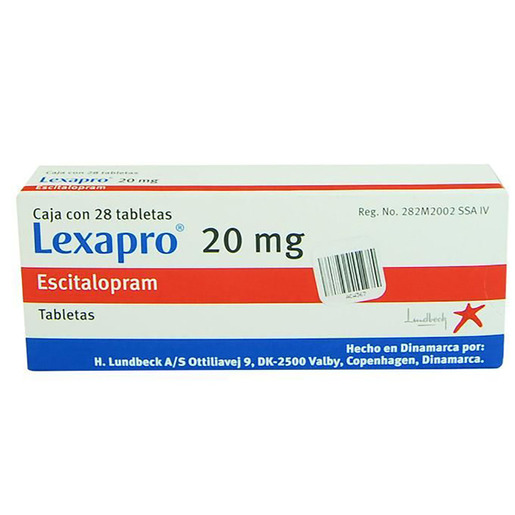
Lexapro contains escitalopram, an antidepressant that acts by blocking the reuptake of serotonin, and is registered in 21 countries across several continents. The brand is encountered by travellers and expatriates in markets as varied as Japan, Brazil, Ireland, Australia, and Mexico, which gives it a meaningfully international — though not universal — footprint.
Escitalopram is prescribed in the management of depression and a range of anxiety-spectrum conditions, including generalized anxiety disorder, obsessive compulsive disorder, and panic-related anxiety, as well as certain associated presentations such as phobic anxiety and sleep disturbance linked to these underlying conditions. The structured indication list further down this page details the registered uses recognised across the markets where Lexapro is authorised.
Because Lexapro is distributed across Latin America, East and Southeast Asia, Oceania, and parts of Europe, a reader who started escitalopram in one country and then moves or travels can often locate the same active ingredient abroad — sometimes as Lexapro, sometimes as a differently branded escitalopram product, sometimes as a generic. Regulatory status, packaging, and even whether the medication is dispensed under its originator brand vary considerably from one country to another, and a local pharmacist is the right person to confirm what is available regionally.
Other antidepressants in the broader serotonin-reuptake-inhibition category are sold worldwide under different molecules and brand names, but they are not interchangeable with escitalopram without medical guidance. Continuity of antidepressant therapy across borders is a clinical matter rather than a shelf-substitution decision, and any change of product, brand, or molecule should be made together with a healthcare provider who knows the patient's history.