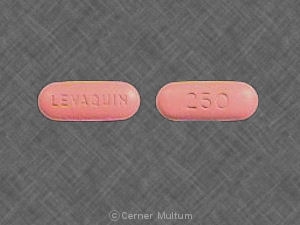
Travellers familiar with Levaquin from North or South America are unlikely to encounter the same brand elsewhere — it is registered in only five countries. Those markets are Argentina, Brazil, Canada, Lebanon, and the United States, a small and somewhat scattered footprint compared with the global reach of the underlying molecule.
The active ingredient is levofloxacin, classified within the bactericidal broad-spectrum category, with formulations that also extend into ophthalmological use. Levofloxacin-containing products are prescribed in the management of a range of bacterial infections, including bronchitis, community-acquired and hospital-acquired pneumonia, urinary tract infections, and certain other respiratory and systemic infections. The structured indication list further down this page details the registered uses recognised across the markets where Levaquin is sold.
Although the Levaquin brand has a narrow international presence, levofloxacin itself circulates very widely under other brand names and as a generic in essentially every regulated market in the world. A patient who has been prescribed Levaquin in one of its five registered countries and is now travelling, relocating, or seeking continuity of therapy abroad will generally find levofloxacin available locally — but it will likely be packaged under a different brand or as a non-branded generic rather than as Levaquin specifically.
A local pharmacist is the right first point of contact for translating the brand name into something stocked on regional shelves. Other antibiotics within the broader bactericidal class also exist internationally, but they are not interchangeable on the basis of class membership alone. Antibiotic therapy is calibrated to the specific infection, the patient, and local resistance patterns, so any decision to start, continue, or substitute Levaquin should be made together with a healthcare provider.