Home / Medicine / Klaricid

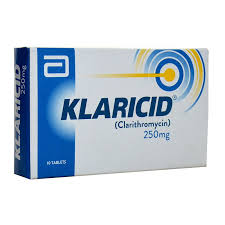
Klaricid

Klaricid contains clarithromycin, a bactericidal and bacteriostatic antibacterial agent, and is registered in 21 countries across Latin America, parts of Europe, and Asia. Markets where the brand is marketed include Japan, Brazil, Greece, Mexico, and Bangladesh — a footprint that brings Klaricid into regular contact with travellers and expatriates moving between these regions.

Clarithromycin is used in the management of a range of bacterial infections, with the registered indications for Klaricid covering respiratory tract infections such as bronchitis, pneumonia, and pharyngitis, as well as skin presentations and gastrointestinal use in the context of Helicobacter pylori-associated duodenal ulcer disease. The structured indication block further down this page lists the uses recognised by national regulators in each market where Klaricid is sold.

Because Klaricid is distributed in a mid-sized international footprint, travellers often encounter clarithromycin abroad either under the Klaricid brand or as a different clarithromycin-containing product. Regulatory packaging, prescription pathways, and brand names vary considerably between Latin American, European, and Asian markets, and a local pharmacist can usually confirm whether a clarithromycin product on the shelf corresponds to what was prescribed at home.

Other antibacterial agents with similar therapeutic positioning circulate worldwide under a range of active ingredients and brand names, although molecules within and adjacent to this class are not freely interchangeable — antibiotic selection depends on the specific infection, local resistance patterns, and individual patient factors. Anyone who has been prescribed Klaricid, is considering it, or is trying to identify a local equivalent abroad should make that decision together with a healthcare provider.
How does this drug class actually work?
Read the plain-language explainer in Pharmacology Academy (Antibiotics) →

Frequently asked questions

What conditions does Klaricid treat?

Klaricid is prescribed for a range of bacterial infections, including respiratory tract infections such as bronchitis, pneumonia, and pharyngitis, as well as skin infections and gastrointestinal use in the context of Helicobacter pylori eradication associated with duodenal ulcer disease. Clarithromycin acts on bacterial targets and is positioned within the bactericidal and bacteriostatic antibacterial categories. The structured indication list below details each registered use.

What is the active ingredient in Klaricid?

Klaricid contains clarithromycin, an antibacterial agent classified as both bactericidal and bacteriostatic depending on the organism and concentration. Clarithromycin is the same molecule whether sold as Klaricid or under other brand names — the active ingredient circulates internationally under a number of commercial names, particularly in markets where multiple manufacturers produce clarithromycin products in parallel.

In how many countries is Klaricid available?

Klaricid is registered in 21 countries, with a footprint that spans Latin America, parts of Europe, and Asia. Examples include Japan, Brazil, Greece, Mexico, Bangladesh, Argentina, and Malta. If your country is not represented on this list, a local pharmacist can usually confirm whether clarithromycin is available in that market under a different brand name or as a generic product.

Are there other medications with the same active ingredient as Klaricid?

Clarithromycin is sold under several brand names worldwide, particularly in markets where the original patent has expired and generic manufacturers produce clarithromycin products. Other antibacterial agents with similar therapeutic positioning also exist, although they are not freely interchangeable — antibiotic choice depends on the infection, resistance patterns, and patient factors. To identify a local clarithromycin product, search the active ingredient on Pill2Trip or ask a pharmacist.

Is Klaricid a prescription medication?

Yes. Klaricid is a prescription antibacterial in the markets where it is registered, and antibiotic therapy in general is calibrated to the specific infection, the patient's history, and local resistance patterns. This matters particularly for travellers and people relocating between countries, since prescription rules, available brands, and even formulary preferences differ. Starting, continuing, or substituting clarithromycin should be guided by a healthcare provider familiar with the situation.