Overdose
There is limited experience of overdose with saquinavir.
No acute toxicities or sequelae were noted in 1 subject
who ingested 8 grams of INVIRASE as a single dose. The subject was treated with
induction of emesis within 2 to 4 hours after ingestion. A second subject
ingested 2.4 grams of INVIRASE in combination with 600 mg of ritonavir and
experienced pain in the throat that lasted for 6 hours and then resolved. In an
exploratory Phase II study of oral dosing with INVIRASE at 7200 mg per day
(1200 mg q4h), there were no serious toxicities reported through the first 25
weeks of treatment.
Treatment of overdose with saquinavir should consist of
general supportive measures including monitoring of vital signs and ECG and
observations of the patient's clinical status. Since saquinavir is highly
protein bound, dialysis is unlikely to be beneficial in significant removal of
the active substance.
Contraindications
QT interval prolongation and torsades de pointes have
been reported rarely with INVIRASE/ritonavir use. Do not use in patients with
congenital long QT syndrome, those with refractory hypokalemia or
hypomagnesemia, and in combination with drugs that both increase saquinavir
plasma concentrations and prolong the QT interval.
INVIRASE is contraindicated in patients with complete
atrioventricular (AV) block without implanted pacemakers, or patients who are
at high risk of complete AV block.
INVIRASE is contraindicated in patients with clinically
significant hypersensitivity (e.g., anaphylactic reaction, Stevens-Johnson
syndrome) to saquinavir, saquinavir mesylate, or any of its ingredients.
INVIRASE when administered with ritonavir is contraindicated
in patients with severe hepatic impairment.
Coadministration of INVIRASE/ritonavir is contraindicated
with drugs that are CYP3A substrates for which increased plasma levels may
result in serious or life-threatening reactions. These drugs and potentially
related adverse events are listed in Table 1.
Table 1 : Drugs That Are Contraindicated With
INVIRASE/ritonavir
| Drug Class |
Drugs Within Class That Are Contraindicated With INVIRASE/ritonavir |
Clinical Comment |
| Alpha 1-adrenoreceptor antagonist |
Alfuzosin |
Potentially increased alfuzosin concentrations can resultin hypotension. |
| Antiarrhythmics |
Amiodarone, bepridil, dofetilide, flecainide, lidocaine (systemic), propafenone, quinidine |
Potential for serious and/or life-threatening cardiac arrhythmia. |
| Antidepressant |
Trazodone |
Increased trazodone concentrations can result in potentially life threatening cardiac arrhythmia. |
| Anti-infectives |
Clarithromycin, erythromycin, halofantrine, pentamidine |
Potential for serious and/or life-threatening cardiac arrhythmia. |
| Antimycobacterial Agents |
Rifampin |
Rifampin should not be administered in patients taking INVIRASE/ritonavir as part of an ART regimen due to the risk of severe hepatocellular toxicity. |
| Ergot Derivatives |
Dihydroergotamine, ergonovine, ergotamine, methylergonovine |
Potential for serious and life threatening reactions such as ergot toxicity characterized by peripheral vasospasm and ischemia of the extremities and other tissues. |
| GI Motility Agent |
Cisapride |
Potential for serious and/or life threatening reactions such as cardiac arrhythmias. |
| HIV-1 Protease Inhibitor |
Atazanavir |
Potential for serious and/or life-threatening cardiac arrhythmia. |
| HMG-CoA Reductase Inhibitors |
Lovastatin, Simvastatin |
Potential for myopathy including rhabdomyolysis. |
| Immunosuppressant |
Tacrolimus |
Potential for serious and/or life-threatening cardiac arrhythmia. |
| Neuroleptics |
Pimozide Chlorpromazine Sertindole Clozapine Haloperidol Mesoridazine Phenothiazines Thioridazine Ziprasidone |
Potential for serious and/or life threatening reactions such as cardiac arrhythmias. |
| PDE5 Inhibitors |
Sildenafil (Revatio®)[for treatment of pulmonary arterial hypertension] |
Increased potential for sildenafil-associated adverse events (which include visual disturbances, hypotension, prolonged erection, and syncope). A safe and effective dose has not been established when used with INVIRASE/ritonavir. |
| Sedative/Hypnotics |
Triazolam, orally administered |
Potential for serious and/or life threatening reactions |
|
midazolam |
such as prolonged or increased sedation or respiratory depression. Triazolam and orally administered midazolam are extensively metabolized by CYP3A4. Coadministrationof triazolam or orally administered midazolam with INVIRASE/ritonavir may cause large increases in the concentration of these benzodiazepines. |
| Other drugs that are CYP3A substrates |
Dapsone Disopyramide Quinine |
Potential for serious and/or life-threatening cardiac arrhythmia. |
Undesirable effects
The following adverse reactions are discussed in greater
detail in other sections of the labeling:
- PR Interval Prolongation
- QT Interval Prolongation
Clinical Trial Experience In Adult Subjects
Because clinical trials are conducted under widely
varying conditions, adverse reaction rates observed in the clinical trials of a
drug cannot be directly compared to rates in the clinical trials of another
drug and may not reflect the rates observed in clinical practice.
The original INVIRASE safety database consisted of a
total of 574 adult subjects who received saquinavir 600 mg alone or in
combination with ZDV or ddC. Combination dosing with ritonavir is based on 352
HIV-1 infected subjects and 166 healthy subjects who received various
combinations of either saquinavir (hard gel or soft-gel capsules) with
ritonavir.
The recommended dose of INVIRASE is 1000 mg twice daily
co-administered with ritonavir 100 mg twice daily, in combination with other
antiretroviral agents. Table 2 lists grade 2, 3 and 4 adverse events that
occurred in ≥ 2% of subjects receiving saquinavir soft gel capsules with
ritonavir (1000/100 mg bid).
Table 2 : Grade 2, 3 and 4 Adverse Events (All
Causalitya) Reported in ≥ 2% of Adult Subjects in the MaxCmin
1 Study of Saquinavir Soft Gel Capsules in Combination with Ritonavir 1000/100
mg twice a day
| Adverse Events |
Saquinavir soft gel capsules 1000 mg plusRitonavir 100 mg bid (48 weeks)
N=148
n (%=n/N) |
| Endocrine Disorders |
| Diabetes mellitus/hyperglycemia |
4 (3) |
| Lipodystrophy |
8 (5) |
| Gastrointestinal Disorders |
| Nausea |
16 (11) |
| Vomiting |
11 (7) |
| Diarrhea |
12 (8) |
| Abdominal Pain |
9 (6) |
| Constipation |
3 (2) |
| General Disorders and Administration Site Conditions |
| Fatigue |
9 (6) |
| Fever |
5 (3) |
| Musculoskeletal Disorders |
| Back Pain |
3 (2) |
| Respiratory Disorders |
| Pneumonia |
8(5) |
| Bronchitis |
4(3) |
| Influenza |
4(3) |
| Sinusitis |
4 (3) |
| Dermatological Disorders |
| Rash |
5 (3) |
| Pruritus |
5 (3) |
| Dry lips/skin |
3 (2) |
| Eczema |
3 (2) |
| aIncludes events with unknown relationship to
study drug |
Limited experience is available from three trials
investigating the pharmacokinetics of the INVIRASE 500 mg film-coated tablet
compared to the INVIRASE 200 mg capsule in healthy volunteers (n=140). In two
of these trials saquinavir was combined with ritonavir; in the other trial,
saquinavir was administered as single drug. The INVIRASE tablet and the capsule
formulations were similarly tolerated. The most common adverse events were
gastrointestinal disorders (such as nausea, vomiting, and diarrhea). Similar
bioavailability was demonstrated and no clinically significant differences in
saquinavir exposures were seen. Thus, similar safety profiles are expected
between the two INVIRASE formulations.
A study investigating the drug-drug interaction of
rifampin 600 mg/day daily and INVIRASE 1000 mg/ritonavir 100 mg twice daily
enrolled 28 healthy volunteers. Eleven of 17 healthy volunteers (65%) exposed
concomitantly to rifampin and INVIRASE/ritonavir developed severe
hepatocellular toxicity which presented as increased hepatic transaminases. In
some subjects, transaminases increased up to > 20-fold the upper limit of
normal and were associated with gastrointestinal symptoms, including abdominal
pain, gastritis, nausea, and vomiting. Following discontinuation of all three
drugs, clinical symptoms abated and the increased hepatic transaminases
normalized.
Additional Adverse Reactions Reported During Clinical
Trials with Saquinavir
Blood and lymphatic system disorders: anemia,
hemolytic anemia, leukopenia, lymphadenopathy, neutropenia, pancytopenia,
thrombocytopenia
Cardiac disorders: heart murmur, syncope
Ear and labyrinth disorders: tinnitus
Eye disorders: visual impairment
Gastrointestinal disorders: abdominal discomfort,
ascites, dyspepsia, dysphagia, eructation, flatulence, gastritis,
gastrointestinal hemorrhage, intestinal obstruction, mouth dry, mucosal
ulceration, pancreatitis
General disorders and administration site conditions:
anorexia, asthenia, chest pain, edema, lethargy, wasting syndrome, weight
increased
Hepatobiliary disorders: chronic active hepatitis,
hepatitis, hepatomegaly, hyperbilirubinemia, jaundice, portal hypertension
Immune system disorders: allergic reaction
Investigations: ALT increase, AST increase, blood
creatine phosphokinase increased, increased alkaline phosphatase, GGT increase,
raised amylase, raised LDH
Metabolism and nutrition disorders: increased or
decreased appetite, dehydration, hypertriglyceridemia
Musculoskeletal and connective tissue disorders: arthralgia,
muscle spasms, myalgia, polyarthritis
Neoplasms benign, malignant and unspecified (incl
cysts and polyps): acute myeloid leukemia, papillomatosis
Nervous system disorders: confusion, convulsions,
coordination abnormal, dizziness, dysgeusia, headache, hypoaesthesia,
intracranial hemorrhage leading to death, loss of consciousness, paresthesia,
peripheral neuropathy, somnolence, tremor
Psychiatric disorders: anxiety, depression,
insomnia, libido disorder, psychotic disorder, sleep disorder, suicide attempt
Renal and urinary disorders: nephrolithiasis
Respiratory, thoracic and mediastinal disorders: cough,
dyspnea
Skin and subcutaneous tissue disorders: acne,
alopecia, dermatitis bullous, drug eruption, erythema, severe cutaneous
reaction associated with increased liver function tests, Stevens-Johnson
syndrome, sweating increased, urticaria
Vascular disorders: hypertension, hypotension,
thrombophlebitis, peripheral vasoconstriction
Clinical Trial Experience In Pediatric Subjects
Limited safety data are available from two pediatric
clinical trials of saquinavir hard gel capsules (approximately 50 mg per kg twice
daily) used in combination with either low dose ritonavir or
lopinavir/ritonavir. These trials enrolled pediatric subjects aged 4 months to
16 years old. In the HIVNAT 017 study (INVIRASE + lopinavir/ritonavir), adverse
events were reported in 90% of the 50 subjects enrolled. The most commonly
reported adverse events considered related to study treatment were diarrhea
(18%) and vomiting (10%). In the NV20911 study (INVIRASE + ritonavir), 4
subjects (22% of 18 enrolled) experienced adverse events that were considered
related to INVIRASE + ritonavir. These events (n) were vomiting (3), abdominal
pain (1) and diarrhea (1). All reported adverse events were mild or moderate in
intensity. The adverse reaction profile of INVIRASE in the pediatric trials is similar
to that observed in adult trials.
Postmarketing Experience
Additional adverse events identified during postmarketing
use are similar to those observed in clinical trials with INVIRASE and
saquinavir soft gel capsules alone or in combination with ritonavir. Because
these events are reported voluntarily from a population of uncertain size, it
is not always possible to reliably estimate their frequency or establish a
causal relationship to INVIRASE exposure. In addition, torsades de pointes has
been reported rarely.
Therapeutic indications
INVIRASE in combination with ritonavir and other
antiretroviral agents is indicated for the treatment of HIV-1 infection in
adults (over the age of 16 years).
The following points should be considered when initiating
therapy with INVIRASE:
- The twice daily administration of INVIRASE in combination
with ritonavir is supported by safety data from the MaxCmin 1 trial and pharmacokinetic data.
- The efficacy of INVIRASE with ritonavir has not been
compared against the efficacy of antiretroviral regimens currently considered
standard of care.
- The number of baseline primary protease inhibitor
mutations affects the virologic response to INVIRASE/ritonavir.
Pharmacodynamic properties
QTcS interval was evaluated in a randomized, placebo and
active (moxifloxacin 400 mg once daily) controlled crossover study in 59
healthy adults, with ECG measurements on Day 3. The maximum mean (95% upper
confidence bound) differences in QTcS interval from placebo after
baseline-correction were 18.9 (22.0) and 30.2 (33.4) ms for 1000/100 mg twice
daily and supratherapeutic 1500/100 mg twice daily of INVIRASE/ritonavir,
respectively. There is a delayed effect between QTc interval change and drug
concentrations, with the maximum placebo-adjusted baseline-corrected QTcS
observed at about 12-20 h post-dose. INVIRASE/ritonavir 1500/100 mg twice daily
resulted in a Day 3 mean Cmax of INVIRASE approximately 1.4-fold higher than
the mean Cmax observed on Day 3 with the approved therapeutic dose in healthy
volunteers (within the same study). QTcS in this study was QT/RR0.319 for
males and QT/RR0.337 for females, which are similar to Fridericia's
correction (QTcF=QT/RR0.3333).
PR and QRS interval prolongations were also noted in
subjects receiving INVIRASE/ritonavir in the same study on Day 3. The maximum
mean (95% upper confidence bound) difference from placebo in the PR interval
after baseline-correction were 28.6 (31.6) and 38.4 (41.4) ms for 1000/100 mg
twice daily and supratherapeutic 1500/100 mg twice daily saquinavir/ritonavir
respectively. The maximum mean (95% upper confidence bound) difference from
placebo in QRS interval after baseline correction were 2.9 (3.9) and 4.4 (5.3)
ms for 1000/100 mg twice daily and supratherapeutic 1500/100 mg twice daily
INVIRASE/ritonavir respectively. In this study using healthy subjects, PR
interval prolongation of > 200 ms was also observed in 40% and 47% of
subjects receiving INVIRASE/ritonavir 1000/100 mg bid and 1500/100 mg bid,
respectively, on Day 3. Three (3%) of subjects in the active control
moxifloxacin arm and 5% in the placebo arm experienced PR prolongation of
> 200 ms.
Pharmacokinetic properties
| Coadministered Drug |
Saquinavir soft gel capsules or saquinavir soft gel capsules/ritonavir Dose |
N |
% Change for Saquinavir |
AUC
(95% CI) |
Cmax
(95% CI) |
| Clarithromycin 500 mg bid x 7 days |
1200 mg tid x 7 days |
12V |
↑177%
(108-269%) |
↑187%
(105-300%) |
| Efavirenz 600 mg qd |
1200 mg tid |
13V |
↓62% |
↓50% |
| Indinavir 800 mg q8h x 2 days |
1200 mg single dose |
6V |
↑364%
(190-644%) |
↑299%
(138-568%) |
| Ritonavir 400 mg bid x 14 days |
400 mg bid x 14 days† |
8V |
↑121%
(7-359%) |
↑64%§ |
Lopinavir/ritonavir
Evidence from several clinical trials indicates that saquinavir concentrations achieved with saquinavir 1000 mg + lopinavir/ritonavir 400/100 mg BID are similar to those achieved following saquinavir/ritonavir 1000/100 mg BID. |
| Coadministered Drug |
INVIRASE or INVIRASE/ritonavir Dose |
N |
% Change for Saquinavir |
| AUC (95% CI) |
Cmax (95% CI) |
| Atazanavir 300 mg qd |
1600/100 mg qd |
18S |
↑60%
(16-122%) |
↑42%
(10-84%) |
| Ritonavir 100 mg bid |
1000 mg bid‡ |
24S |
↑1124% |
↑1325% |
| Tenofovir 300 mg qd |
1000 mg bid/100 mg bid |
18S |
↔ |
↔ |
| Tipranavir 500 mg + ritonavir 200 mg bid |
600 mg bid/100 mg bid |
20S |
↓76%
(68-81%)^ |
↓70%
(60-77%)^ |
| Omeprazole 40 mg qd x 5 days |
1000/100 mg bid x 15 days |
19V |
↑82%
(37-234%)^ |
↑ 75%
(31-234%)^ |
| Ketoconazole 200 mg/day |
1000 mg bid/100 mg bid |
20V |
↔^ |
↔ |
| Rifabutin 150 mg q3d |
1000 mg bid/100 mg bid |
19V |
↓13%
(-31% to 9%)^ |
↓15%
(-32% to 7%)^ |
↑ Denotes an average increase in exposure by the
percentage indicated.
↓ Denotes an average decrease in exposure by the percentage indicated.
↔ Mean change < 10%
† Compared to saquinavir soft gel capsules 1200 mg tid regimen (n=33).
‡ Compared to INVIRASE 600 mg tid regimen (n=114).
§Did not reach statistical significance.
^ 90% Confidence Interval
S Subjects
V Healthy Volunteers |
The HIV-1 antiviral drugs didanosine, tenofovir, and
zidovudine are not predicted to have any clinically significant effect on the
pharmacokinetics of saquinavir with and without ritonavir. No clinically
significant effect on the pharmacokinetic parameters of enfuvirtide was
observed with coadministration of INVIRASE/ritonavir. No clinically significant
effect on the pharmacokinetic parameters of saquinavir was observed with
coadministration of fosamprenavir.
Microbiology
Mechanism of Action
Saquinavir is an inhibitor of HIV-1 protease. HIV-1 protease
is an enzyme required for the proteolytic cleavage of viral polyprotein
precursors into individual functional proteins found in HIV-1 particles.
Saquinavir is a peptide-like substrate analogue that binds to the protease
active site and inhibits the activity of the enzyme. Saquinavir inhibition
prevents cleavage of the viral polyproteins resulting in the formation of
immature noninfectious viral particles.
Antiviral Activity
The antiviral activity of saquinavir was assessed in
lymphoblastoid and monocytic cell lines and in peripheral blood lymphocytes in
cell culture. Saquinavir inhibited HIV-1 activity in both acutely and
chronically infected cells. EC50 and EC90 values (50% and 90% inhibitory
concentrations) ranged from 1 to 30 nM and 5 to 80 nM, respectively. In the
presence of 40% human serum, the mean EC50 of saquinavir against laboratory
strain HIV-1 RF in MT4 cells was 37.7± 5 nM representing a 4-fold
increase in the EC50 value. In cell culture, saquinavir demonstrated additive
to synergistic effects against HIV-1 in combination with reverse transcriptase
inhibitors (didanosine, lamivudine, nevirapine, stavudine and zidovudine)
without enhanced cytotoxicity. Saquinavir in combination with the protease
inhibitors amprenavir, atazanavir, or lopinavir resulted in synergistic
antiviral activity. Saquinavir displayed antiviral activity in cell culture
against HIV-1 clades A-H (EC50 values ranged from 0.9 to 2.5 nM). The EC50 and EC90
values of saquinavir against HIV-2 isolates in cell culture ranged from 0.25 nM
to 14.6 nM and 4.65 nM to 28.6 nM, respectively.
Resistance
HIV-1 isolates with reduced susceptibility to saquinavir
have been selected during passage in cell culture. Genotypic analyses of these
isolates showed several amino acid substitutions in the HIV-1 protease. Only
the G48V and L90M substitutions were associated with reduced susceptibility to
saquinavir, and conferred an increase in the EC50 value of 8- and 3-fold,
respectively.
HIV-1 isolates with reduced susceptibility ( ≥ 4-fold
increase in the EC50 value) to saquinavir emerged in some subjects treated with
INVIRASE. Genotypic analysis of these isolates identified resistance conferring
primary amino acid substitutions in the protease G48V and L90M, and secondary
substitutions L10I/R/V, I54V/L, A71V/T, G73S, V77I, V82A and I84V that
contributed additional resistance to saquinavir. Forty-one isolates from 37
subjects failing therapy with INVIRASE had a median decrease in susceptibility
to saquinavir of 4.3-fold.
The degree of reduction in cell culture susceptibility to
saquinavir of clinical isolates bearing substitutions G48V and L90M depends on
the number of secondary substitutions present. In general, higher levels of
resistance are associated with greater number of substitutions only in
association with either or both of the primary substitutions G48V and L90M. No
data are currently available to address the development of resistance in
patients receiving saquinavir/ritonavir.
Cross-resistance
Among protease inhibitors, variable cross-resistance has
been observed. In one clinical study, 22 HIV-1 isolates with reduced
susceptibility ( > 4-fold increase in the EC50 value) to saquinavir following
therapy with INVIRASE were evaluated for cross-resistance to amprenavir,
indinavir, nelfinavir and ritonavir. Six of the 22 isolates (27%) remained
susceptible to all 4 protease inhibitors, 12 of the 22 isolates (55%) retained
susceptibility to at least one of the protease inhibitors and 4 out of the 22
isolates (18%) displayed broad cross-resistance to all protease inhibitors.
Sixteen (73%) and 11 (50%) of the 22 isolates remained susceptible ( < 4-fold)
to amprenavir and indinavir, respectively. Four of 16 (25%) and nine of 21
(43%) with available data remained susceptible to nelfinavir and ritonavir,
respectively.
After treatment failure with amprenavir, cross-resistance
to saquinavir was evaluated. HIV-1 isolates from 22/22 subjects failing
treatment with amprenavir and containing one or more substitutions M46L/I,
I50V, I54L, V32I, I47V, and I84V were susceptible to saquinavir.
Clinical Studies
Description Of Clinical Studies In Adults
In a randomized, double-blind clinical study NV14256 in
zidovudine-experienced, HIV-1-infected adult subjects, INVIRASE in combination
with zalcitabine2 was shown to be superior to either INVIRASE or
zalcitabine monotherapy in decreasing the cumulative incidence of clinical
disease progression to AIDS-defining events or death. In another randomized
study ACTG229/NV14255, subjects with advanced HIV-1 infection with history of
prolonged zidovudine treatment were administered INVIRASE 600 mg (three times
daily) + zidovudine + zalcitabine. Subjects receiving this regimen experienced
greater increases in CD4+ cell counts as compared to those who
received INVIRASE + zidovudine or zalcitabine + zidovudine. It should be noted
the HIV treatment regimens that were used in these clinical trials are no
longer considered standard of care.
In the MaxCmin1 trial, saquinavir gel capsule 1000 mg
twice daily coadministered with ritonavir 100 mg twice daily was evaluated in a
heterogeneous population of 148 HIV-1-infected subjects. A total of 42 subjects
enrolled were treatment naïve, and 106 subjects were treatment experienced (of
which 52 subjects had HIV-1 RNA < 400 copies/mL at baseline). Results showed
that 91/148 (61%) subjects achieved and/or sustained an HIV-1 RNA < 400 copies
per mL at the completion of 48 weeks treatment.
2No longer available in the US.
Date of revision of the text
Dec 2015
Name of the medicinal product
Invirase
Fertility, pregnancy and lactation
Pregnancy Category B
Reproduction studies conducted with saquinavir have shown
no embryotoxicity or teratogenicity in both rats and rabbits. Because of
limited bioavailability of saquinavir in animals and/or dosing limitations, the
plasma exposures (AUC values) in the respective species were approximately 29%
(using rat) and 21% (using rabbit) of those obtained in humans at the
recommended clinical dose combined with ritonavir. Clinical experience in
pregnant women is limited. Saquinavir should be used during pregnancy only if
the potential benefit justifies the potential risk to the fetus.
Antiretroviral Pregnancy Registry
To monitor maternal-fetal outcomes of pregnant women
exposed to antiretroviral medications, including INVIRASE, an Antiretroviral
Pregnancy Registry has been established. Physicians are encouraged to register
patients by calling 1-800-258-4263.
Qualitative and quantitative composition
Dosage Forms And Strengths
Capsules: 200 mg
Film-coated tablets: 500 mg
Storage And Handling
INVIRASE 200-mg capsules are light brown and green opaque
capsules with ROCHE and 0245 imprinted on the capsule shell—bottles of 270 (NDC
0004-0245-15).
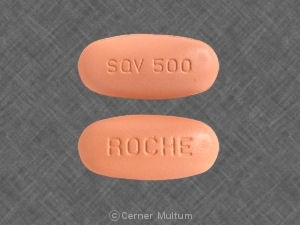
INVIRASE 500-mg film-coated tablets are light orange to
greyish- or brownish-orange, oval cylindrical, biconvex tablets with ROCHE and
SQV 500 imprinted on the tablet face—bottles of 120 (NDC 0004-0244-51).
The capsules and tablets should be stored at 25°C
(77°F); excursions permitted to 15° to 30°C (59° to
86°F) in tightly closed
bottles.
Distributed by: Genentech USA, Inc., A Member of the
Roche Group 1 DNA Way, Wouth San Francisco, CA 94080 4990. Revised: Dec 2015
Special warnings and precautions for use
WARNINGS
Included as part of the PRECAUTIONS section.
PRECAUTIONS
INVIRASE must be used in combination with ritonavir.
Please refer to the ritonavir full prescribing information for additional
precautionary measures.
INVIRASE is not recommended for use in combination
with cobicistat. Dosing recommendations for this combination have not been
established. Cobicistat is also not recommended in combination with regimens
containing ritonavir due to similar effects of cobicistat and ritonavir on
CYP3A. Please refer to the cobicistat full prescribing information for
additional precautionary measures.
If a serious or severe toxicity occurs during treatment
with INVIRASE, INVIRASE should be interrupted until the etiology of the event
is identified or the toxicity resolves. At that time, resumption of treatment
with full-dose INVIRASE may be considered. For antiretroviral agents used in
combination with INVIRASE, physicians should refer to the complete product
information for these drugs for dose adjustment recommendations and for
information regarding drug-associated adverse reactions.
Risk Of Serious Adverse Reactions Due To Drug
Interactions
Initiation of INVIRASE/ritonavir, a CYP3A inhibitor, in
patients receiving medications metabolized by CYP3A or initiation of
medications metabolized by CYP3A in patients already receiving
INVIRASE/ritonavir, may increase plasma concentrations of medications
metabolized by CYP3A. Initiation of medications that inhibit or induce CYP3A
may increase or decrease concentrations of INVIRASE/ritonavir, respectively.
These interactions may lead to:
- Clinically significant adverse reactions potentially
leading to severe, life threatening, or fatal events from greater exposures of
concomitant medications.
- Clinically significant adverse reactions from greater
exposures of INVIRASE/ritonavir.
- Loss of therapeutic effect of INVIRASE/ritonavir and
possible development of resistance.
See Table 3 for steps to prevent or manage these possible
and known significant drug interactions, including dosing recommendations. Consider the potential for drug interactions prior to and
during INVIRASE/ritonavir therapy; review concomitant medications during
INVIRASE/ritonavir therapy; and monitor for the adverse reactions associated
with the concomitant medications.
PR Interval Prolongation
Saquinavir/ritonavir prolongs the PR interval in a
dose-dependent fashion. Cases of second or third degree atrioventricular block
have been reported rarely. Patients with underlying structural heart disease,
pre-existing conduction system abnormalities, cardiomyopathies and ischemic
heart disease may be at increased risk for developing cardiac conduction
abnormalities. ECG monitoring is recommended in these patients.
The impact on the PR interval of co-administration of
saquinavir/ritonavir with other drugs that prolong the PR interval (including
calcium channel blockers, beta-adrenergic blockers, digoxin and atazanavir) has
not been evaluated. As a result, co-administration of saquinavir/ritonavir with
these drugs should be undertaken with caution, particularly with those drugs
metabolized by CYP3A, and clinical monitoring is recommended.
QT Interval Prolongation
Saquinavir/ritonavir causes dose-dependent QT
prolongation. Torsades de pointes has been reported rarely post-marketing.
Avoid saquinavir/ritonavir in patients with long QT syndrome. ECG monitoring is
recommended if therapy is initiated in patients with congestive heart failure,
bradyarrhythmias, hepatic impairment and electrolyte abnormalities. Correct
hypokalemia or hypomagnesemia prior to initiating saquinavir/ritonavir and
monitor these electrolytes periodically during therapy. Do not use in combination
with drugs that both increase saquinavir plasma concentrations and prolong the
QT interval (see Tables 1 and 3).
Patients initiating therapy with INVIRASE/ritonavir
An ECG should be performed prior to initiation of treatment.
Patients with a QT interval > 450 msec should not receive ritonavir-boosted
INVIRASE. For patients with a QT interval < 450 msec, an on-treatment ECG is
suggested after approximately 3 to 4 days of therapy; patients with a QT
interval > 480 msec or prolongation over pre-treatment by > 20 msec
should discontinue INVIRASE/ritonavir.
Patients Requiring Treatment With Medications With The Potential To Increase The QT Interval And Concomitant Invirase/Ritonavir
Such combinations should only be used where no
alternative therapy is available and the potential benefits outweigh the
potential risks. An ECG should be performed prior to initiation of the
concomitant therapy, and patients with a QT interval > 450 msec should not initiate
the concomitant therapy. If baseline QT interval < 450 msec, an on-treatment
ECG should be performed after 3-4 days of therapy. For patients demonstrating a
subsequent increase in QT interval to > 480 msec or increase by > 20 msec
after commencing concomitant therapy, the physician should use best clinical
judgment to discontinue either INVIRASE/ritonavir or the concomitant therapy or
both.
A cardiology consult is recommended if drug
discontinuation or interruption is being considered on the basis of ECG
assessment.
Diabetes Mellitus / Hyperglycemia
New onset diabetes mellitus, exacerbation of preexisting
diabetes mellitus and hyperglycemia have been reported during postmarketing
surveillance in HIV-1-infected patients receiving protease-inhibitor therapy.
Some patients required either initiation or dose adjustments of insulin or oral
hypoglycemic agents for the treatment of these events. In some cases diabetic
ketoacidosis has occurred. In those patients who discontinued
protease-inhibitor therapy, hyperglycemia persisted in some cases. Because
these events have been reported voluntarily during clinical practice, estimates
of frequency cannot be made and a causal relationship between
protease-inhibitor therapy and these events has not been established.
Hepatotoxicity
In patients with underlying hepatitis B or C, cirrhosis,
chronic alcoholism and/or other underlying liver abnormalities, there have been
reports of worsening liver disease.
Hemophilia
There have been reports of spontaneous bleeding in
patients with hemophilia A and B treated with protease inhibitors. In some
patients additional factor VIII was required. In the majority of reported cases
treatment with protease inhibitors was continued or restarted. A causal
relationship between protease inhibitor therapy and these episodes has not been
established.
Hyperlipidemia
Elevated cholesterol and/or triglyceride levels have been
observed in some patients taking saquinavir in combination with ritonavir.
Marked elevation in triglyceride levels is a risk factor for development of
pancreatitis. Cholesterol and triglyceride levels should be monitored prior to
initiating combination dosing regimen of INVIRASE with ritonavir, and at
periodic intervals while on such therapy. In these patients, lipid disorders
should be managed as clinically appropriate.
Lactose Intolerance
Each capsule contains lactose (anhydrous) 63.3 mg. This
quantity should not induce specific symptoms of intolerance.
Fat Redistribution
Redistribution/accumulation of body fat including central
obesity, dorsocervical fat enlargement (buffalo hump), facial wasting,
peripheral wasting, breast enlargement, and “cushingoid appearance” have been
observed in patients receiving antiretroviral therapy. The mechanism and
long-term consequences of these events are currently unknown. A causal
relationship has not been established.
Immune Reconstitution Syndrome
Immune reconstitution syndrome has been reported in
patients treated with combination antiretroviral therapy, including INVIRASE.
During the initial phase of combination antiretroviral treatment, patients
whose immune system responds may develop an inflammatory response to indolent
or residual opportunistic infections (such as Mycobacterium avium infection,
cytomegalovirus, Pneumocystis jiroveci pneumonia [PCP], or tuberculosis), which
may necessitate further evaluation and treatment.
Autoimmune disorders (such as Graves' disease,
polymyositis, and Guillain-Barré syndrome) have also been reported to occur in
the setting of immune reconstitution; however, the time to onset is more
variable, and can occur many months after initiation of treatment.
Resistance/Cross-resistance
Varying degrees of cross-resistance among HIV-1 protease
inhibitors have been observed. Continued administration of INVIRASE therapy
following loss of viral suppression may increase the likelihood of cross
resistance to other protease inhibitors.
Patient Counseling Information
- Advise the patient to read the FDA-approved patient
labeling (Medication Guide).
A statement to patients and health care providers is
included on the product's bottle label: ALERT: Find out about medicines that
should NOT be taken with INVIRASE.
INVIRASE is not a cure for HIV-1 infection and patients
may continue to experience illnesses associated with HIV-1 infection, including
opportunistic infections. Patients should remain under the care of a physician
when using INVIRASE.
Advise patients to avoid doing things that can spread
HIV-1 infection to others.
- Do not share needles or other injection equipment.
- Do not share personal items that can have blood or
body fluids on them, like toothbrushes and razor blades.
- Do not have any kind of sex without protection. Always
practice safe sex by using a latex or polyurethane condom to lower the chance
of sexual contact with semen, vaginal secretions, or blood.
- Do not breastfeed. We do not know if INVIRASE can
be passed to your baby in your breast milk and whether it could harm your baby.
Also, mothers with HIV-1 should not breastfeed because HIV-1 can be passed to
the baby in the breast milk.
Pregnancy
An Antiretroviral Pregnancy Registry has been
established. See Pregnancy for information on how to enroll.
Drug Interactions
INVIRASE may interact with some drugs; therefore, advise
patients to report to their doctor the use of any other prescription,
nonprescription medication, or herbal products, particularly St. John's wort.
PR and QT Interval Prolongation
Inform patients that INVIRASE may produce changes in the
electrocardiogram (PR interval or QT interval prolongation). Patients should
consult their health care provider if they are experiencing symptoms such as
dizziness, lightheadedness, or palpitations.
Fat Redistribution
Inform patients that redistribution or accumulation of
body fat may occur in patients receiving protease inhibitors and that the cause
and long-term health effects of these conditions are not known at this time.
Dosing Instructions
Advise patients that INVIRASE must be used in
combination with ritonavir, which significantly inhibits saquinavir's
metabolism to provide increased plasma saquinavir levels.
Advise patients that INVIRASE administered with ritonavir
should be taken within 2 hours after a full meal.
When INVIRASE is taken without food, concentrations of saquinavir in the blood
are substantially reduced and may result in no antiviral activity. Advise
patients of the importance of taking their medication every day, as prescribed,
to achieve maximum benefit. Patients should not alter the dose or discontinue
therapy without consulting their physician. If a dose is missed, patients
should take the next dose as soon as possible. However, the patient should not
double the next dose.
Nonclinical Toxicology
Carcinogenesis, Mutagenesis, Impairment Of Fertility
Carcinogenesis
Carcinogenicity studies found no indication of
carcinogenic activity in rats and mice administered saquinavir for
approximately 2 years. Because of limited bioavailability of saquinavir in
animals, the plasma exposures (AUC values) in the respective species were
approximately 29% (using rat) and 65% (using mouse) of those obtained in humans
at the recommended clinical dose combined with ritonavir.
Mutagenesis
Mutagenicity and genotoxicity studies, with and without
metabolic activation where appropriate, have shown that saquinavir has no
mutagenic activity in vitro in either bacterial (Ames test) or mammalian cells
(Chinese hamster lung V79/HPRT test). Saquinavir does not induce chromosomal
damage in vivo in the mouse micronucleus assay or in vitro in human peripheral
blood lymphocytes, and does not induce primary DNA damage in vitro in the
unscheduled DNA synthesis test.
Impairment of Fertility
No adverse effects were reported in fertility and
reproductive performance study conducted in rats. Because of limited
bioavailability of saquinavir in animals, the maximal plasma exposures achieved
in rats were approximately 26% of those obtained in humans at the recommended
clinical dose combined with ritonavir.
Use In Specific Populations
Pregnancy
Pregnancy Category B
Reproduction studies conducted with saquinavir have shown
no embryotoxicity or teratogenicity in both rats and rabbits. Because of
limited bioavailability of saquinavir in animals and/or dosing limitations, the
plasma exposures (AUC values) in the respective species were approximately 29%
(using rat) and 21% (using rabbit) of those obtained in humans at the
recommended clinical dose combined with ritonavir. Clinical experience in
pregnant women is limited. Saquinavir should be used during pregnancy only if
the potential benefit justifies the potential risk to the fetus.
Antiretroviral Pregnancy Registry
To monitor maternal-fetal outcomes of pregnant women
exposed to antiretroviral medications, including INVIRASE, an Antiretroviral
Pregnancy Registry has been established. Physicians are encouraged to register
patients by calling 1-800-258-4263.
Nursing Mothers
The Centers for Disease Control and Prevention
recommend that HIV-infected mothers not breastfeed their infants to avoid
risking postnatal transmission of HIV-1.
It is not known whether saquinavir is excreted in human
milk. Because of both the potential for HIV-1 transmission and the potential
for serious adverse reactions in nursing infants, mothers should be instructed
not to breastfeed if they are receiving INVIRASE.
Pediatric Use
The safety and activity of saquinavir have been evaluated
in 68 pediatric subjects 4 months to less than 16 years of age treated with
INVIRASE combined with either ritonavir or with lopinavir/ritonavir in two
clinical trials. Data from the NV20911 trial demonstrated that saquinavir
combined with low dose ritonavir provided plasma levels of saquinavir that were
significantly higher than those historically observed in adults at the approved
dose. The HIVNAT 017 trial provided long
term 96-week activity and safety data; however, pharmacokinetic data from this
study could not be validated.
HIVNAT 017 was an open-label, single-arm trial at two
centers in Thailand that evaluated the use of INVIRASE (50 mg per kg twice
daily given as 200 mg capsules) with lopinavir/ritonavir (230/57.5 mg/m² twice
daily) for 96 weeks. Fifty subjects 4 years to less than 16 years of age were
enrolled. In this trial population, treatment resulted in HIV-1 RNA < 400
copies/mL at week 96 in 78% of subjects (HIV-1 RNA < 50 copies per mL at week
96 in 66%). Mean CD4 lymphocyte percentage increased from 8% at screening to
22% at week 96.
NV20911 was an open label, multinational trial that
evaluated the pharmacokinetics, safety, and activity of INVIRASE (50 mg per kg
twice daily as 200 mg capsules, up to the adult dose of 1000 mg twice daily)
and ritonavir oral solution plus ≥ 2 background ARVs. Eighteen subjects
4 months to less than 6 years of age were enrolled. Treatment with
INVIRASE/ritonavir resulted in HIV-1 RNA < 400 copies per mL at week 48 in
72% of subjects (HIV-1 RNA < 50 copies per mL at week 48 in 61%). The
percentage of subjects with HIV-1 RNA < 50 copies per mL at week 48 was 61%.
Mean CD4 lymphocyte percentage increased from 29% at screening to 34% at week
48.
Steady state saquinavir
exposures observed in pediatric trials were substantially higher than
historical data in adults where dose- and exposure-dependent QTc and PR
prolongation were observed. Although electrocardiogram abnormalities were not reported
in these pediatric trials, the trials were small and not designed to evaluate
QT or PR intervals. Modeling and simulation assessment of
pharmacokinetic/pharmacodynamic relationships in pediatric subjects suggest
that reducing the INVIRASE dose to minimize risk of QT prolongation is likely
to reduce antiviral efficacy. In addition, no clinical efficacy data are
available at INVIRASE doses less than 50 mg per kg in pediatric subjects.
Therefore, pediatric dose recommendations that are both reliably effective and
below thresholds of concern with respect to QT and PR prolongation could not be
determined.
Geriatric Use
Clinical trials of INVIRASE did not include sufficient
numbers of subjects aged 65 and over to determine whether they respond
differently from younger subjects. In general, dosing INVIRASE in elderly patients
should be undertaken with caution keeping in mind the greater frequency of
decreased hepatic, renal, or cardiac function, and of concomitant disease or
other drug therapy.
Impaired Renal Function
Renal clearance is a minor elimination pathway; the
principal route of excretion for saquinavir is by hepatic metabolism.
Therefore, no initial dose adjustment is necessary for patients with renal
impairment. However, patients with severe renal impairment or end-stage renal
disease (ESRD) have not been studied, and caution should be exercised when
prescribing INVIRASE in this population.
Impaired Hepatic Function
No dosage adjustment is necessary for HIV-1-infected
patients with mild or moderate hepatic impairment based on limited data. In
patients with underlying hepatitis B or C, cirrhosis, chronic alcoholism and/or
other underlying liver abnormalities, there have been reports of worsening
liver disease. INVIRASE when administered
with ritonavir is contraindicated in patients with severe hepatic impairment.
Dosage (Posology) and method of administration
INVIRASE must be used in combination with ritonavir
because ritonavir significantly inhibits saquinavir's metabolism to provide
increased plasma saquinavir levels.
Cobicistat is not interchangeable with ritonavir to
increase systemic exposure of saquinavir.
Recommended Dose
- INVIRASE 1000-mg twice daily (5 x 200-mg capsules or 2 x
500-mg tablets) in combination with ritonavir 100-mg twice daily.
- Ritonavir should be taken at the same time as INVIRASE.
- INVIRASE and ritonavir should be taken within 2 hours
after a meal.
- For patients already taking ritonavir 100-mg twice daily
as part of their antiretroviral regimen, no additional ritonavir is needed.
- Pediatric dose recommendations that are both reliably
effective and below thresholds of concern for QT and PR interval prolongation
could not be determined.
Administration For Patients Unable To Swallow Capsules
Open the INVIRASE capsules and place the contents into an
empty container. Add 15 mL of either sugar syrup or sorbitol syrup (for
patients with Type 1 diabetes or glucose intolerance) OR 3 teaspoons of jam to
the contents of INVIRASE capsules that are in the container. Stir with a spoon
for 30 to 60 seconds. Administer the full amount prepared for each dose.
Suspensions should be at room temperature before administering.
Interaction with other medicinal products and other forms of interaction
Table 5 summarizes the effect of saquinavir soft gel
capsules and INVIRASE with and without ritonavir on the geometric mean AUC and
Cmax of coadministered drugs. Table 6 summarizes the effect of coadministered
drugs on the geometric mean AUC and Cmax of saquinavir.
Table 5 : Effect of Saquinavir (+/- Ritonavir) on the
Pharmacokinetics of Coadministered Drugs
| Coadministered Drug |
Saquinavir soft gel capsules or saquinavir soft gel capsules/ ritonavir |
N |
% Change for Coadministered Drug |
| AUC (95% CI) |
Cmax (95% CI) |
| Dose |
| Clarithromycin 500 mg bid x 7 days |
| Clarithromycin |
1200 mg tid x 7 days |
12V |
↑45% (17-81%) |
↑39% (10-76%) |
| 14-OH clarithromycin metabolite |
↓24% (5-40%) |
↓34% (14-50%) |
| Sildenafil 100-mg single dose |
1200 mg tid x 8 days |
27V |
↑210% (150-300%) |
↑140% (80-230%) |
| Efavirenz 600 mg qd |
1200 mg tid |
13V |
↓12% |
↓13% |
| INVIRASE/ritonavir Dose |
| Digoxin 0.5 mg single dose |
1000/100 mg bid x 16 days |
16V |
↑49% (32-69%)^ |
↑27% (5-54%)^ |
| R-Methadone 60-120 mg qd |
1000/100 mg bid x 14 days |
12M |
↓19% (9-29%)^ |
NA |
| Ketoconazole 200 mg/day |
1000/100 mg bid |
12V |
↑168% (146-193%)^ |
↑45% (32-59%)^ |
| Midazolam 7.5 mg oral single dose |
1000/100 mg bid |
16V |
↑1144% (975-1339%)^ |
↑327% (264 -402%)^ |
| Rifabutin 150 mg q4d |
1000/100 mg bid |
11V |
↑60%†* (43-79%)^ ↔§ (-10 to 13%)^ |
↑111%†* (75-153%)^ ↑68%§ (38-105%)^ |
↑ Denotes an average increase in exposure by the
percentage indicated.
↓ Denotes an average decrease in exposure by the percentage indicated.
↔ Denotes no statistically significant change in exposure was observed.
* Compared to rifabutin 150 mg QD
^ 90% Confidence Interval
† AUC0-96hr and Cmax of the active moiety (rifabutin + 25-O-desacetyl
rifabutin)
§AUC0-96hr and Cmax for rifabutin only
S Subjects
V Healthy Volunteers
M Methadone-dependent, HIV negative subjects. None of the 12 subjects
experienced withdrawal symptoms.
NA Not Available |
Table 6 : Effect of Coadministered Drugs on Saquinavir
Pharmacokinetics
| Coadministered Drug |
Saquinavir soft gel capsules or saquinavir soft gel capsules/ritonavir Dose |
N |
% Change for Saquinavir |
AUC
(95% CI) |
Cmax
(95% CI) |
| Clarithromycin 500 mg bid x 7 days |
1200 mg tid x 7 days |
12V |
↑177%
(108-269%) |
↑187%
(105-300%) |
| Efavirenz 600 mg qd |
1200 mg tid |
13V |
↓62% |
↓50% |
| Indinavir 800 mg q8h x 2 days |
1200 mg single dose |
6V |
↑364%
(190-644%) |
↑299%
(138-568%) |
| Ritonavir 400 mg bid x 14 days |
400 mg bid x 14 days† |
8V |
↑121%
(7-359%) |
↑64%§ |
Lopinavir/ritonavir
Evidence from several clinical trials indicates that saquinavir concentrations achieved with saquinavir 1000 mg + lopinavir/ritonavir 400/100 mg BID are similar to those achieved following saquinavir/ritonavir 1000/100 mg BID. |
| Coadministered Drug |
INVIRASE or INVIRASE/ritonavir Dose |
N |
% Change for Saquinavir |
| AUC (95% CI) |
Cmax (95% CI) |
| Atazanavir 300 mg qd |
1600/100 mg qd |
18S |
↑60%
(16-122%) |
↑42%
(10-84%) |
| Ritonavir 100 mg bid |
1000 mg bid‡ |
24S |
↑1124% |
↑1325% |
| Tenofovir 300 mg qd |
1000 mg bid/100 mg bid |
18S |
↔ |
↔ |
| Tipranavir 500 mg + ritonavir 200 mg bid |
600 mg bid/100 mg bid |
20S |
↓76%
(68-81%)^ |
↓70%
(60-77%)^ |
| Omeprazole 40 mg qd x 5 days |
1000/100 mg bid x 15 days |
19V |
↑82%
(37-234%)^ |
↑ 75%
(31-234%)^ |
| Ketoconazole 200 mg/day |
1000 mg bid/100 mg bid |
20V |
↔^ |
↔ |
| Rifabutin 150 mg q3d |
1000 mg bid/100 mg bid |
19V |
↓13%
(-31% to 9%)^ |
↓15%
(-32% to 7%)^ |
↑ Denotes an average increase in exposure by the
percentage indicated.
↓ Denotes an average decrease in exposure by the percentage indicated.
↔ Mean change < 10%
† Compared to saquinavir soft gel capsules 1200 mg tid regimen (n=33).
‡ Compared to INVIRASE 600 mg tid regimen (n=114).
§Did not reach statistical significance.
^ 90% Confidence Interval
S Subjects
V Healthy Volunteers |
The HIV-1 antiviral drugs didanosine, tenofovir, and
zidovudine are not predicted to have any clinically significant effect on the
pharmacokinetics of saquinavir with and without ritonavir. No clinically
significant effect on the pharmacokinetic parameters of enfuvirtide was
observed with coadministration of INVIRASE/ritonavir. No clinically significant
effect on the pharmacokinetic parameters of saquinavir was observed with
coadministration of fosamprenavir.