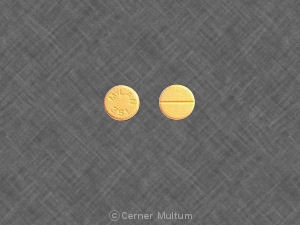
Marketed in 31 countries across Europe, Latin America, the Middle East, and Asia, Haldol is a globally distributed brand of haloperidol decanoate, classified within the antipsychotic category. For travellers and expatriates, it is one of the more recognisable names in long-acting antipsychotic therapy, and the brand turns up in pharmacy formularies in markets as varied as France, Brazil, Indonesia, Israel, and Iceland.
The active ingredient, haloperidol decanoate, is the long-acting ester form of haloperidol. It is prescribed in the management of psychosis, schizophrenia, and certain behavioural manifestations associated with conditions such as dementia and vascular dementia, as well as several other indications including agitation in specific clinical contexts. The structured indication list further down this page details the registered uses recognised across the markets where Haldol is sold, which can vary meaningfully from country to country.
Because Haldol has a wide international footprint, travellers and people relocating across borders frequently encounter the same medication abroad — sometimes under the Haldol name, sometimes as a haloperidol-containing product from a different manufacturer. Regulatory status, packaging, and the way long-acting injectable therapy is administered through local clinic networks differ considerably between markets. A local pharmacist or prescribing clinician can confirm whether a product available in the destination country corresponds to the formulation a patient has been receiving.
Other medications within the broader antipsychotic class are also distributed worldwide under various molecules and brand names, although they are not interchangeable on a like-for-like basis — long-acting antipsychotic therapy in particular is calibrated to the individual patient. Anyone taking Haldol, recently prescribed it, or trying to identify a regional equivalent should treat any change as a clinical decision and discuss it with the healthcare provider managing their treatment.