Overdose
Development of hypertension, edema, hypokalemia, excessive increase in weight,
and increase in heart size are signs of overdosage of fludrocortisone acetate.
When these are noted, administration of the drug should be discontinued, after
which the symptoms will usually subside within several days; subsequent treatment
with fludrocortisone acetate should be with a reduced dose. Muscular weakness
may develop due to excessive potassium loss and can be treated by administering
a potassium supplement. Regular monitoring of blood pressure and serum electrolytes
can help to prevent overdosage (see WARNINGS).
Contraindications
Corticosteroids are contraindicated in patients with systemic fungal infections
and in those with a history of possible or known hypersensitivity to these agents.
Undesirable effects
Most adverse reactions are caused by the drug's mineralocorticoid activity (retention of sodium and water) and include hypertension, edema, cardiac enlargement, congestive heart failure, potassium loss, and hypokalemic alkalosis.
When fludrocortisone is used in the small dosages recommended, the glucocorticoid
side effects often seen with cortisone and its derivatives are not usually a
problem; however the following untoward effects should be kept in mind, particularly
when fludrocortisone is used over a prolonged period of time or in conjunction
with cortisone or a similar glucocorticoid.
Musculoskeletal-muscle weakness, steroid myopathy, loss of muscle mass,
osteoporosis, vertebral compression fractures, aseptic necrosis of femoral and
humeral heads, pathologic fracture of long bones, and spontaneous fractures.
Gastrointestinal-peptic ulcer with possible perforation and hemorrhage,
pancreatitis, abdominal distention, and ulcerative esophagitis.
Dermatologic-impaired wound healing, thin fragile skin, bruising, petechiae
and ecchymoses, facial erythema, increased sweating, subcutaneous fat atrophy,
purpura, striae, hyperpigmentation of the skin and nails, hirsutism, acneiform
eruptions, and hives; reactions to skin tests may be suppressed.
Neurological-convulsions, increased intracranial pressure with papilledema
(pseudotumor cerebri) usually after treatment, vertigo, headache, and severe
mental disturbances.
Endocrine-menstrual irregularities; development of the cushingoid state;
suppression of growth in children; secondary adrenocortical and pituitary unresponsiveness,
particularly in times of stress (e.g., trauma, surgery, or illness); decreased
carbohydrate tolerance; manifestations of latent diabetes mellitus; and increased
requirements for insulin or oral hypoglycemic agents in diabetics.
Ophthalmic-posterior subcapsular cataracts, increased intraocular pressure,
glaucoma, and exophthalmos.
Metabolic-hyperglycemia, glycosuria, and negative nitrogen balance due
to protein catabolism.
Allergic Reactions-allergic skin rash, maculopapular rash, and urticaria.
Other adverse reactions that may occur following the administration of a corticosteroid
are necrotizing angiitis, thrombophlebitis, aggravation or masking of infections,
insomnia, syncopal episodes, and anaphylactoid reactions.
Therapeutic indications
Florinef (fludrocortisone) Acetate is indicated as partial replacement therapy for primary and
secondary adrenocortical insufficiency in Addison's disease and for the treatment
of salt-losing adrenogenital syndrome.
Qualitative and quantitative composition
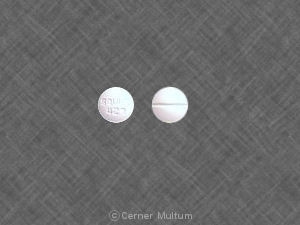
Florinef Acetate Tablets (Fludrocortisone Acetate Tablets USP), 0.1 mg/tablet:
white, round, biconvex, scored tablets in bottles of 100 (NDC 61570-190-01);
identification no. 429.
Storage
Store at room temperature; avoid excessive heat.
Prescribing Information as of July 2003. Distributed by: Monarch
Pharmaceuticals, Inc., Bristol, TN 37620. (A wholly wned subsidiary of King
Pharmaceuticals, Inc.) Manufactured by: Bristol-Myers Squibb Company, Princeton,
NJ 08540 USA. FDA Rev date: 6/9/2004
Special warnings and precautions for use
WARNINGS
BECAUSE OF ITS MARKED EFFECT ON SODIUM RETENTION, THE USE OF FLUDROCORTISONE
ACETATE IN THE TREATMENT OF CONDITIONS OTHER THAN THOSE INDICATED HEREIN IS
NOT ADVISED.
Corticosteroids may mask some signs of infection, and new infections may appear
during their use. There may be decreased resistance and inability to localize
infection when corticosteroids are used. If an infection occurs during fludrocortisone
acetate therapy, it should be promptly controlled by suitable antimicrobial
therapy. Prolonged use of corticosteroids may produce posterior subcapsular
cataracts, glaucoma with possible damage to the optic nerves, and may enhance
the establishment of secondary ocular infections due to fungi or viruses.
Average and large doses of hydrocortisone or cortisone can cause elevation of blood pressure, salt and water retention, and increased excretion of potassium. These effects are less likely to occur with the synthetic derivatives except when used in large doses. However, since fludrocortisone acetate is a potent mineralocorticoid, both the dosage and salt intake should be carefully monitored in order to avoid the development of hypertension, edema, or weight gain.
Periodic checking of serum electrolyte levels is advisable during prolonged
therapy; dietary salt restriction and potassium supplementation may be necessary.
All corticosteroids increase calcium excretion.
Patients should not be vaccinated against smallpox while on corticosteroid
therapy. Other immunization procedures should not be undertaken in patients
who are on corticosteroids, especially on high dose, because of possible hazards
of neurological complications and a lack of antibody response.
The use of Florinef Acetate (Fludrocortisone Acetate Tablets USP) in patients
with active tuberculosis should be restricted to those cases of fulminating
or disseminated tuberculosis in which the corticosteroid is used for the management
of the disease in conjunction with an appropriate antituberculous regimen. If
corticosteroids are indicated in patients with latent tuberculosis or tuberculin
reactivity, close observation is necessary since reactivation of the disease
may occur. During prolonged corticosteroid therapy these patients should receive
chemoprophylaxis.
Children who are on immunosuppressant drugs are more susceptible to infections than healthy children. Chicken pox and measles, for example, can have a more serious or even fatal course in children on immunosuppressant corticosteroids. In such children, or in adults who have not had these diseases, particular care should be taken to avoid exposure. If exposed, therapy with varicella zoster immune globulin (VZIG) or pooled intravenous immunoglobulin (IVIG), as appropriate, may be indicated. If chicken pox develops, treatment with antiviral agents may be considered.
PRECAUTIONS
General
Adverse reactions to corticosteroids may be produced by too rapid withdrawal
or by continued use of large doses. To avoid drug-induced adrenal insufficiency,
supportive dosage may be required in times of stress (such as trauma, surgery,
or severe illness) both during treatment with fludrocortisone acetate and for
a year afterwards.
There is an enhanced corticosteroid effect in patients with hypothyroidism
and in those with cirrhosis. Corticosteroids should be used cautiously in patients
with ocular herpes simplex because of possible corneal perforation. The lowest
possible dose of corticosteroid should be used to control the condition being
treated. A gradual reduction in dosage should be made when possible.
Psychic derangements may appear when corticosteroids are used. These may range
from euphoria, insomnia, mood swings, personality changes, and severe depression
to frank psychotic manifestations. Existing emotional instability or psychotic
tendencies may also be aggravated by corticosteroids.
Aspirin should be used cautiously in conjunction with corticosteroids in patients
with hypoprothrombinemia. Corticosteroids should be used with caution in patients
with nonspecific ulcerative colitis if there is a probability of impending perforation,
abscess, or other pyogenic infection. Corticosteroids should also be used cautiously
in patients with diverticulitis, fresh intestinal anastomoses, active or latent
peptic ulcer, renal insufficiency, hypertension, osteoporosis, and myasthenia
gravis.
Laboratory Tests
Patients should be monitored regularly for blood pressure determinations and
serum electrolyte determinations (see WARNINGS).
Carcinogenesis, Mutagenesis, Impairment of Fertility
Adequate studies have not been performed in animals to determine whether fludrocortisone acetate has carcinogenic or mutagenic activity or whether it affects fertility in males or females.
Pregnancy: Category C
Adequate animal reproduction studies have not been conducted with fludrocortisone acetate. However, many corticosteroids have been shown to be teratogenic in laboratory animals at low doses. Teratogenicity of these agents in man has not been demonstrated. It is not known whether fludrocortisone acetate can cause fetal harm when administered to a pregnant woman or can affect reproduction capacity. Fludrocortisone acetate should be given to a pregnant woman only if clearly needed.
Pregnancy: Nonteratogenic Effects
Infants born of mothers who have received substantial doses of fludrocortisone
acetate during pregnancy should be carefully observed for signs of hypoadrenalism.
Maternal treatment with corticosteroids should be carefully documented in the
infant's medical records to assist in follow up.
Nursing Mothers
Corticosteroids are found in the breast milk of lactating women receiving systemic therapy with these agents. Caution should be exercised when fludrocortisone acetate is administered to a nursing woman.
Pediatric Use
Safety and effectiveness in children have not been established. Growth and
development of infants and children on prolonged corticosteroid therapy should
be carefully observed.
Geriatric Use
Elderly subjects may commonly have conditions that may be exacerbated by fludrocortisone
therapy including, but not limited to, hypertension, edema, hypokalemia, congestive
heart failure, cataracts, glaucoma, increased intraocular pressure, renal insufficiency,
and osteoporisis (see WARNINGS, PRECAUTIONS and ADVERSE
REACTIONS). Elderly subjects may also commonly be taking concomitant
drug therapy such as digitalis glycosides, oral anticoagulants, antidiabetic
drugs (oral agents and insulin), and aspirin which may interact with fludrocortisone
(see PRECAUTIONS-DRUG INTERACTIONS). In general,
dose selection for an elderly patient should be cautious, usually starting at
the low end of the dosing range, reflecting the greater frequency of decreased
hepatic, renal, or cardiac function, and of concomitant disease or other drug
therapy.
Dosage (Posology) and method of administration
Dosage depends on the severity of the disease and the response of the patient.
Patients should be continually monitored for signs that indicate dosage adjustment
is necessary, such as remissions or exacerbations of the disease and stress
(surgery, infection, trauma) (see WARNINGS and
PRECAUTIONS, General).
Addison's Disease
In Addison's disease, the combination of Florinef Acetate (Fludrocortisone
Acetate Tablets USP) with a glucocorticoid such as hydrocortisone or cortisone
provides substitution therapy approximating normal adrenal activity with minimal
risks of unwanted effects.
The usual dose is 0.1 mg of Florinef (fludrocortisone) Acetate daily, although dosage ranging
from 0.1 mg three times a week to 0.2 mg daily has been employed. In the event
transient hypertension develops as a consequence of therapy, the dose should
be reduced to 0.05 mg daily. Florinef (fludrocortisone) Acetate is preferably administered in
conjunction with cortisone (10 mg to 37.5 mg daily in divided doses) or hydrocortisone
(10 mg to 30 mg daily in divided doses).
Salt-Losing Adrenogenital Syndrome
The recommended dosage for treating the salt-losing adrenogenital syndrome is 0.1 mg to 0.2 mg of Florinef (fludrocortisone) Acetate daily.
Interaction with other medicinal products and other forms of interaction
SIDE EFFECTS
Most adverse reactions are caused by the drug's mineralocorticoid activity (retention of sodium and water) and include hypertension, edema, cardiac enlargement, congestive heart failure, potassium loss, and hypokalemic alkalosis.
When fludrocortisone is used in the small dosages recommended, the glucocorticoid
side effects often seen with cortisone and its derivatives are not usually a
problem; however the following untoward effects should be kept in mind, particularly
when fludrocortisone is used over a prolonged period of time or in conjunction
with cortisone or a similar glucocorticoid.
Musculoskeletal-muscle weakness, steroid myopathy, loss of muscle mass,
osteoporosis, vertebral compression fractures, aseptic necrosis of femoral and
humeral heads, pathologic fracture of long bones, and spontaneous fractures.
Gastrointestinal-peptic ulcer with possible perforation and hemorrhage,
pancreatitis, abdominal distention, and ulcerative esophagitis.
Dermatologic-impaired wound healing, thin fragile skin, bruising, petechiae
and ecchymoses, facial erythema, increased sweating, subcutaneous fat atrophy,
purpura, striae, hyperpigmentation of the skin and nails, hirsutism, acneiform
eruptions, and hives; reactions to skin tests may be suppressed.
Neurological-convulsions, increased intracranial pressure with papilledema
(pseudotumor cerebri) usually after treatment, vertigo, headache, and severe
mental disturbances.
Endocrine-menstrual irregularities; development of the cushingoid state;
suppression of growth in children; secondary adrenocortical and pituitary unresponsiveness,
particularly in times of stress (e.g., trauma, surgery, or illness); decreased
carbohydrate tolerance; manifestations of latent diabetes mellitus; and increased
requirements for insulin or oral hypoglycemic agents in diabetics.
Ophthalmic-posterior subcapsular cataracts, increased intraocular pressure,
glaucoma, and exophthalmos.
Metabolic-hyperglycemia, glycosuria, and negative nitrogen balance due
to protein catabolism.
Allergic Reactions-allergic skin rash, maculopapular rash, and urticaria.
Other adverse reactions that may occur following the administration of a corticosteroid
are necrotizing angiitis, thrombophlebitis, aggravation or masking of infections,
insomnia, syncopal episodes, and anaphylactoid reactions.
DRUG INTERACTIONS
When administered concurrently, the following drugs may interact with adrenal corticosteroids.
Amphotericin B or potassium-depleting diuretics (benzothiadiazines and related
drugs, ethacrynic acid and furosemide)-enhanced hypokalemia. Check serum
potassium levels at frequent intervals; use potassium supplements if necessary
(see WARNINGS).
Digitalis glycosides-enhanced possibility of arrhythmias or digitalis toxicity associated with hypokalemia. Monitor serum potassium levels; use potassium
supplements if necessary.
Oral anticoagulants-decreased prothrombin time response. Monitor prothrombin
levels and adjust anticoagulant dosage accordingly.
Antidiabetic drugs (oral agents and insulin)-diminished antidiabetic
effect. Monitor for symptoms of hyperglycemia; adjust dosage of antidiabetic
drug upward if necessary.
Aspirin-increased ulcerogenic effect; decreased pharmacologic effect
of aspirin. Rarely salicylate toxicity may occur in patients who discontinue
steroids after concurrent high-dose aspirin therapy. Monitor salicylate levels
or the therapeutic effect for which aspirin is given; adjust salicylate dosage
accordingly if effect is altered (see PRECAUTIONS,
General).
Barbiturates, phenytoin, or rifampin-increased metabolic clearance of
fludrocortisone acetate because of the induction of hepatic enzymes. Observe
the patient for possible diminished effect of steroid and increase the steroid
dosage accordingly.
Anabolic steroids (particularly C-17 alkylated androgens such as oxymetholone,
methandrostenolone, norethandrolone, and similar compounds)-enhanced tendency
toward edema. Use caution when giving these drugs together, especially in patients
with hepatic or cardiac disease.
Vaccines-neurological complications and lack of antibody response (see
WARNINGS).
Estrogen-increased levels of corticosteroid-binding globulin, thereby
increasing the bound (inactive) fraction; this effect is at least balanced by
decreased metabolism of corticosteroids. When estrogen therapy is initiated,
a reduction in corticosteroid dosage may be required, and increased amounts
may be required when estrogen is terminated.
Drug/Laboratory Test Interactions
Corticosteroids may affect the nitrobluetetrazolium test for bacterial infection and produce false-negative results.