Home / Medicine / Flagyl

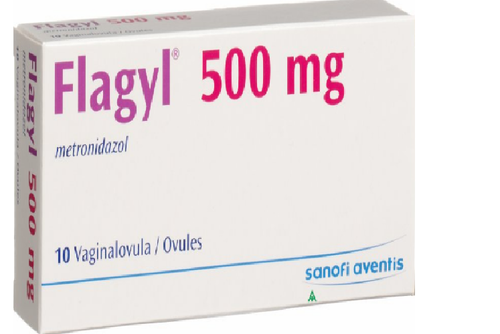
Flagyl

Marketed in 47 countries across Europe, Latin America, Asia-Pacific, the Middle East and North Africa, Flagyl is a globally distributed brand of metronidazole, an antimicrobial agent with both antibacterial and antiprotozoal activity. The breadth of its registration makes it one of the more frequently encountered metronidazole brands for travellers and expatriates moving between regulatory regions.

The active ingredient, metronidazole, is used in the management of a range of bacterial and protozoal infections. The indications recorded against Flagyl include pneumonia, abscesses, peritonitis, sepsis, cellulitis, wound infections, and bone infections, alongside its broader role in anaerobic and protozoal disease. The structured indication and classification block further down this page lists the registered uses recognised in each market where Flagyl is sold.

Because Flagyl has such a wide international footprint, travellers often see it on pharmacy shelves in countries far from where they were originally prescribed. Markets where it is registered include Brazil, France, Egypt, Australia, and Bangladesh, but local packaging, prescription pathways, and even tablet strengths can differ meaningfully between jurisdictions. A pharmacist in the destination country can confirm whether a metronidazole product on hand corresponds to what was prescribed at home.

Metronidazole also circulates worldwide under several other brand names and as a generic, and other antimicrobials with overlapping indications exist within related pharmacological categories. These are not casually interchangeable — antibiotic and antiprotozoal choice depends on the specific organism, the site of infection, and the individual patient. Anyone taking Flagyl, identifying a local equivalent, or considering any change to an antimicrobial course should treat that decision as a clinical one and involve a healthcare provider.
How does this drug class actually work?
Read the plain-language explainer in Pharmacology Academy (Antibiotics) →

Frequently asked questions

What conditions does Flagyl treat?

Flagyl is prescribed for a range of bacterial and protozoal infections, with registered indications that include pneumonia, abscesses, peritonitis, sepsis, cellulitis, wound infections, and bone infections. Metronidazole's pharmacological profile spans antibacterial, antiprotozoal, and related antimicrobial categories. The structured indication list further down this page details each registered use in the markets where Flagyl is sold.

What is the active ingredient in Flagyl?

Flagyl contains metronidazole, classified across antibacterial and antiprotozoal categories, with bactericidal activity against susceptible organisms. Metronidazole is the same molecule whether sold under the Flagyl brand or as a generic — internationally, the same active ingredient circulates under multiple commercial names, and many countries also stock metronidazole as an unbranded generic produced by local manufacturers.

In how many countries is Flagyl available?

Flagyl is registered in 47 countries, spanning Europe, Latin America, Asia-Pacific, and the Middle East and North Africa. Examples include Brazil, France, Egypt, Australia, Bangladesh, Denmark, and Chile. If your country is not represented in the list shown on this page, a local pharmacist can usually confirm whether metronidazole is available in that market under a different brand name or as a generic.

Are there other medications with the same active ingredient as Flagyl?

Metronidazole is sold under several brand names worldwide and is also widely available as a generic, particularly in markets where the original patent has long expired. Other antimicrobials addressing related infections exist within adjacent pharmacological categories, but they are not freely interchangeable — antibiotic and antiprotozoal selection depends on the organism and the clinical context. To identify a local metronidazole product, search the active ingredient on Pill2Trip or ask a pharmacist.

Should I consult a doctor before taking Flagyl?

Yes. Flagyl is a prescription medication in most jurisdictions, and antimicrobial therapy in particular is calibrated to the specific infection, the suspected organism, and the patient's wider health picture. Prescription requirements, available formulations, and even regulatory status can differ between countries, which matters for travellers and people relocating. Any decision to start, stop, switch, or substitute metronidazole should involve a healthcare provider familiar with the case.

Flagyl

Available in 47 countries