Home / Medicine / Duphalac

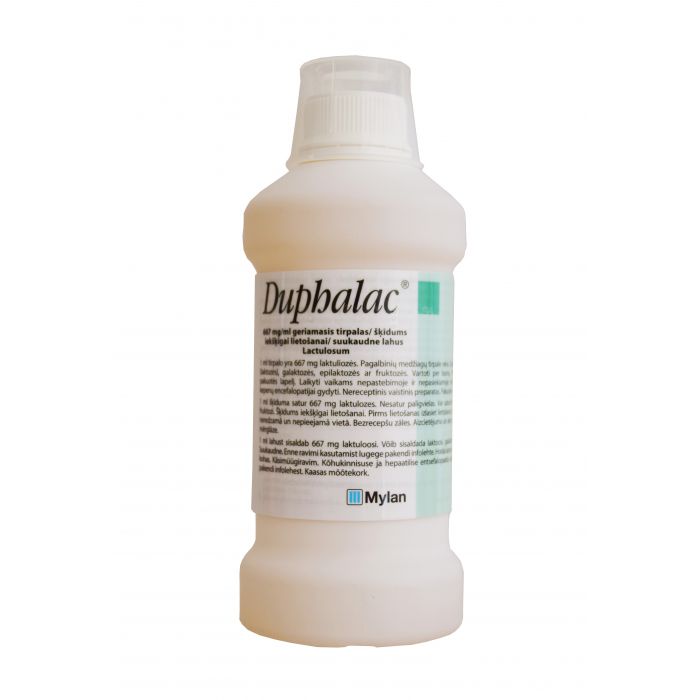
Duphalac

Marketed in 48 countries across Europe, Asia, and Latin America, Duphalac is a globally distributed brand of lactulose, classified within the laxative category. The international footprint spans Western European markets, much of Central and Eastern Europe, and a number of Asian and Latin American countries — a distribution pattern that puts the brand in front of travellers and expatriates across very different healthcare systems.

Lactulose is used for the management of constipation and for hepatic encephalopathy, and the broader registered indication list includes enteritis. Its pharmacological profile reflects more than one mechanism: alongside its laxative action through stimulating intestinal peristalsis, it lowers the pH of intestinal contents and acts as a hypoazotemic and detoxifying agent, which is the basis for its use in hepatic encephalopathy. The structured indication section further down this page details the registered uses recognised in each market.

Because Duphalac is widely distributed, travellers frequently encounter it abroad — sometimes under the Duphalac brand and sometimes as a lactulose-containing generic. Markets where the brand is registered include France, China, Chile, Greece, and Estonia, but regulatory packaging, prescription status, and presentation can differ noticeably from one country to another. A local pharmacist can confirm whether a lactulose product on a foreign shelf corresponds to what the patient is used to at home.

Other medications within the broader laxative class are sold internationally under different active ingredients and brand names, and their clinical positioning is not interchangeable with lactulose — particularly where the indication is hepatic encephalopathy rather than simple constipation. Decisions about starting, continuing, or substituting Duphalac should be made together with a healthcare provider who knows the patient's history.
Frequently asked questions

What conditions does Duphalac treat?

Duphalac is prescribed for constipation and for the management of hepatic encephalopathy, with additional registered uses including enteritis. The active ingredient functions as a laxative and works by lowering the pH of intestinal contents and stimulating peristalsis, which also contributes to its role in hepatic encephalopathy where it acts as a hypoazotemic and detoxifying agent. The structured indication block on this page lists each registered use.

What is the active ingredient in Duphalac?

Duphalac contains lactulose, a synthetic disaccharide classified within the laxative category and also recognised for its pH-lowering and hypoazotemic effects in the intestine. Lactulose is the same molecule whether sold as Duphalac or under other commercial names — internationally, the same active ingredient circulates under multiple brand names, particularly in markets where several manufacturers produce lactulose-containing products in parallel.

In how many countries is Duphalac available?

Duphalac is registered in 48 countries across Europe, Asia, and Latin America. Examples include France, China, Chile, Finland, Bulgaria, Georgia, and Colombia. The footprint spans both Western and Eastern European markets along with parts of South America and East Asia. If your country is not represented on this list, a local pharmacist can usually confirm whether lactulose is available in that market under another brand name.

Are there other medications with the same active ingredient as Duphalac?

Lactulose is sold under several brand names worldwide and is widely available as a generic in many regulated markets. Other medications within the broader laxative category also exist, although they work through different mechanisms and are not directly interchangeable — choice of laxative often depends on the underlying indication. To identify a local lactulose-containing product, search the active ingredient on Pill2Trip or ask a pharmacist in your country.

Should I consult a doctor before taking Duphalac?

Yes. While lactulose is available without prescription in some countries and only by prescription in others, its use in conditions such as hepatic encephalopathy is firmly within medical management rather than self-care. Prescription rules and product formats also differ between regulatory regimes, which matters for travellers and people relocating. Any decision to start, continue, or substitute lactulose-containing therapy should involve a healthcare provider familiar with the patient's situation.