Home / Medicine / Diflucan

Diflucan

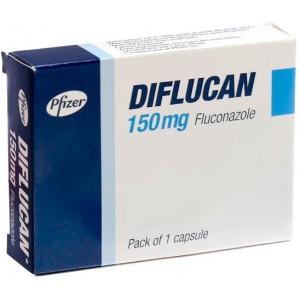
Marketed in 53 countries across Europe, the Americas, Asia, and Oceania, Diflucan is a globally distributed brand of fluconazole, classified as a broad-spectrum antifungal. It is one of the more recognisable antifungal brands a traveller or expatriate is likely to encounter when crossing borders, and the page below is intended for international readers trying to identify it in an unfamiliar market.

Fluconazole is prescribed in the management of a range of fungal infections, including cryptococcosis and histoplasmosis, as well as superficial conditions such as pityriasis versicolor and other skin infections sometimes referred to in Spanish-speaking markets as empeines. It is also used in patients with weakened immune defences — for example, in the context of immunodeficiency or during chemotherapy — where antifungal cover is part of the broader treatment plan. The structured indication list further down this page reflects the registered uses across the markets where Diflucan is authorised.

Because the brand is so widely registered, travellers frequently recognise the same medication abroad, although packaging, prescription pathways, and even whether the product is dispensed as Diflucan or as a fluconazole generic vary considerably between regulators. Markets where Diflucan is available include Canada, China, Egypt, Chile, and Finland, among many others. A local pharmacist is usually best placed to confirm whether a fluconazole-containing product on the shelf corresponds to what the reader is used to at home.

Other medications in the broad-spectrum antifungal class circulate worldwide under different active ingredients and brand names, although they are not freely interchangeable with fluconazole. Anyone taking Diflucan, considering a substitution while abroad, or trying to identify a regional equivalent should treat that as a clinical conversation with a healthcare provider rather than a pharmacy-counter decision.
Frequently asked questions

What conditions does Diflucan treat?

Diflucan is prescribed in the management of fungal infections, including cryptococcosis, histoplasmosis, pityriasis versicolor, and skin conditions sometimes referred to as empeines. It is also used to provide antifungal cover in patients with weakened immune defences, for example during chemotherapy or in the context of immunodeficiency. Fluconazole belongs to the broad-spectrum antifungal class. The structured indication block below this introduction lists each registered use in the markets where Diflucan is authorised.

Which active substance is in Diflucan?

Diflucan contains fluconazole, classified as a broad-spectrum antifungal. Fluconazole is the same molecule whether dispensed under the Diflucan brand or as a generic, and it circulates internationally under a number of different commercial names, particularly in markets where the original patent has expired and several manufacturers produce fluconazole-containing products in parallel.

In how many countries is Diflucan available?

Diflucan is registered in 53 countries, spanning Europe, the Americas, Asia, Africa, and Oceania. Examples include Australia, Canada, China, Egypt, Chile, Denmark, and Bulgaria. If your country does not appear on the list shown on this page, a local pharmacist can usually confirm whether fluconazole is available in that market, either as Diflucan or under a different brand name or generic label.

Can I find a generic version of Diflucan?

Fluconazole is sold under several brand names worldwide, and generic fluconazole products are widely available in markets where the original patent has expired. Other medications in the broad-spectrum antifungal class also exist under different active ingredients, although they are not interchangeable with fluconazole without medical guidance. To identify a local fluconazole-containing product, search the active ingredient on Pill2Trip or ask a pharmacist in your country.

Is Diflucan a prescription medication?

In most markets Diflucan is dispensed as a prescription medication, although prescription rules and the conditions under which fluconazole can be obtained vary between countries. Antifungal therapy is calibrated to the specific infection, the patient's immune status, and any concurrent medications, which makes professional input particularly important. Travellers and expatriates who use Diflucan should arrange any continuation, substitution, or new course with a healthcare provider in their destination country.