Overdose
Overdosage of sulfonylureas including DIABINESE (chlorpropamide) can produce hypoglycemia. Mild hypoglycemic symptoms without loss of consciousness or neurologic findings should be treated aggressively with oral glucose and adjustments in drug dosage and/or meal patterns. Close monitoring should continue until the physician is assured that the patient is out of danger. Severe hypoglycemic reactions with coma, seizure, or other neurological impairment occur infrequently, but constitute medical emergencies requiring immediate hospitalization. If hypoglycemic coma is diagnosed or suspected, the patient should be given a rapid intravenous injection of concentrated (50%) glucose solution. This should be followed by a continuous infusion of a more dilute (10%) glucose solution at a rate that will maintain the blood glucose at a level above 100 mg/dL. Patients should be closely monitored for a minimum of 24 to 48 hours since hypoglycemia may recur after apparent clinical recovery.
Contraindications
DIABINESE (chlorpropamide) is contraindicated in patients with:
- Known hypersensitivity to any component of this medicine.
- Type 1 diabetes mellitus, diabetic ketoacidosis, with or without coma.
This condition should be treated with insulin.
Undesirable effects
Body as a Whole: Disulfiram-like reactions have rarely been reported
with DIABINESE (chlorpropamide) (see DRUG INTERACTIONS).
Central and Peripheral Nervous System: Dizziness and headache.
Hypoglycemia: See PRECAUTIONS and OVERDOSAGE sections.
Gastrointestinal: Gastrointestinal disturbances are the most
common reactions; nausea has been reported in less than 5% of patients, and
diarrhea, vomiting, anorexia, and hunger in less than 2%. Other gastrointestinal
disturbances have occurred in less than 1% of patients including proctocolitis.
They tend to be dose-related and may disappear when dosage is reduced.
Liver/Biliary: Cholestatic jaundice and hepatitis may occur rarely,
which may progress to liver failure; DIABINESE (chlorpropamide) should be discontinued if this
occurs. Hepatic porphyria and disulfiram-like reactions have been reported with
DIABINESE (chlorpropamide).
Skin/Appendages: Pruritus has been reported in less than 3% of
patients. Other allergic skin reactions, e.g., urticaria and maculopapular eruptions
have been reported in approximately 1% or less of patients. These may be transient
and may disappear despite continued use of DIABINESE (chlorpropamide) ; if skin reactions persist
the drug should be discontinued.
As with other sulfonylureas, porphyria cutanea tarda and photosensitivity reactions have been reported.
Skin eruptions rarely progressing to erythema multiforme and exfoliative dermatitis have also been reported.
Hematologic Reactions: Leukopenia, agranulocytosis, thrombocytopenia,
hemolytic anemia (see PRECAUTIONS), aplastic anemia, pancytopenia, and
eosinophilia have been reported with sulfonylureas.
Metabolic/Nutritional Reactions: Hypoglycemia (see PRECAUTIONS
and OVERDOSAGE sections). Hepatic porphyria and disulfiram-like reactions
have been reported with DIABINESE (chlorpropamide). See DRUG INTERACTIONS section.
Endocrine Reactions: On rare occasions, chlorpropamide has caused
a reaction identical to the syndrome of inappropriate antidiuretic hormone (ADH)
secretion. The features of this syndrome result from excessive water retention
and include hyponatremia, low serum osmolality, and high urine osmolality. This
reaction has also been reported for other sulfonylureas.
Therapeutic indications
DIABINESE (chlorpropamide) is indicated as an adjunct to diet and exercise to improve glycemic control in adults with type 2 diabetes mellitus.
Name of the medicinal product
Diabinese
Fertility, pregnancy and lactation
Teratogenic Effects
Pregnancy Category C. Animal reproductive studies have not been conducted with DIABINESE (chlorpropamide). It is also not known whether DIABINESE (chlorpropamide) can cause fetal harm when administered to a pregnant woman or can affect reproduction capacity. DIABINESE (chlorpropamide) should be given to a pregnant woman only if the potential benefits justify the potential risk to the patient and fetus.
Because data suggest that abnormal blood glucose levels during pregnancy are associated with a higher incidence of congenital abnormalities, many experts recommend that insulin be used during pregnancy to maintain blood glucose levels as close to normal as possible.
Nonteratogenic Effects
Prolonged severe hypoglycemia (4 to 10 days) has been reported in neonates born to mothers who were receiving a sulfonylurea drug at the time of delivery. This has been reported more frequently with the use of agents with prolonged half-lives. If DIABINESE (chlorpropamide) is used during pregnancy, it should be discontinued at least one month before the expected delivery date and other therapies instituted to maintain blood glucose levels as close to normal as possible.
Qualitative and quantitative composition
| Strength |
Tablet Description |
Tablet Code |
NDC |
Package Size |
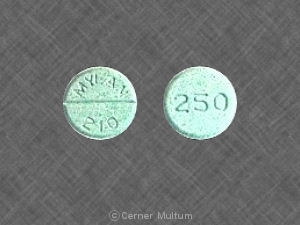
| DIABINESE (chlorpropamide) 100 mg |
Blue, D- shaped, scored |
393 |
0069-3930-66 |
100's |
| DIABINESE (chlorpropamide) 250 mg |
Blue, D- shaped, scored |
394 |
0069-3940-66
0069-3940-82 |
100's
1000's |
RECOMMENDED STORAGE: Store below 86°F (30°C).
Distributed by: Pfizer Labs, Division of Pfizer Inc, NY, NY, 10017
Special warnings and precautions for use
WARNINGS
Special Warning on Increased Risk of Cardiovascular Mortality
The administration of oral hypoglycemic drugs has been reported to be associated
with increased cardiovascular mortality as compared to treatment with diet alone
or diet plus insulin. This warning is based on the study conducted by the University
Group Diabetes Program (UGDP), a long-term prospective clinical trial designed
to evaluate the effectiveness of glucose-lowering drugs in preventing or delaying
vascular complications in patients with non-insulin-dependent diabetes. The
study involved 823 patients who were randomly assigned to one of four treatment
groups (Diabetes, 19 [supp. 2]:747-830,1970).
UGDP reported that patients treated for 5 to 8 years with diet plus a fixed
dose of tolbutamide (1.5 grams per day) had a rate of cardiovascular mortality
approximately 2V2 times that of patients treated with diet alone. A significant
increase in total mortality was not observed, but the use of tolbutamide was
discontinued based on the increase in cardiovascular mortality, thus limiting
the opportunity for the study to show an increase in over-all mortality. Despite
controversy regarding the interpretation of these results, the findings of the
UGDP study provide an adequate basis for this warning. The patient should be
informed of the potential risks and advantages of DIABINESE (chlorpropamide) and of alternative
modes of therapy.
Although only one drug in the sulfonylurea class (tolbutamide) was included
in this study, it is prudent from a safety standpoint to consider that this
warning may also apply to other oral hypoglycemic drugs in this class, in view
of their close similarities in mode of action and chemical structure.
PRECAUTIONS
General
Macrovascular Outcomes: There have been no clinical studies establishing
conclusive evidence of macrovascular risk reduction with DIABINESE (chlorpropamide) or any other
anti-diabetic drug.
Hypoglycemia: All sulfonylurea drugs including chlorpropamide
are capable of producing severe hypoglycemia, which may result in coma, and
may require hospitalization. Patients experiencing hypoglycemia should be managed
with appropriate glucose therapy and be monitored for a minimum of 24 to 48
hours (see OVERDOSAGE section). Proper patient selection, dosage, and
instructions are important to avoid hypoglycemic episodes. Regular, timely carbohydrate
intake is important to avoid hypoglycemic events occurring when a meal is delayed
or insufficient food is eaten or carbohydrate intake is unbalanced. Renal or
hepatic insufficiency may affect the disposition of DIABINESE (chlorpropamide) and may also diminish
gluconeogenic capacity, both of which increase the risk of serious hypoglycemic
reactions. Elderly, debilitated or malnourished patients, and those with adrenal
or pituitary insufficiency are particularly susceptible to the hypoglycemic
action of glucose-lowering drugs. Hypoglycemia may be difficult to recognize
in the elderly, and in people who are taking beta-adrenergic blocking drugs.
Hypoglycemia is more likely to occur when caloric intake is deficient, after
severe or prolonged exercise, when alcohol is ingested, or when more than one
glucose-lowering drug is used.
Because of the long half-life of chlorpropamide, patients who become hypoglycemic during therapy require careful supervision of the dose and frequent feedings for at least 3 to 5 days. Hospitalization and intravenous glucose may be necessary.
Loss of control of blood glucose: When a patient stabilized on
any diabetic regimen is exposed to stress such as fever, trauma, infection,
or surgery, a loss of control may occur. At such times, it may be necessary
to discontinue DIABINESE (chlorpropamide) and administer insulin.
The effectiveness of any oral hypoglycemic drug, including DIABINESE (chlorpropamide) , in lowering blood glucose to a desired level decreases in many patients over a period of time, which may be due to progression of the severity of the diabetes or to diminished responsiveness to the drug. This phenomenon is known as secondary failure, to distinguish it from primary failure in which the drug is ineffective in an individual patient when first given. Adequate adjustment of dose and adherence to diet should be assessed before classifying a patient as a secondary failure.
Hemolytic Anemia: Treatment of patients with glucose 6-phosphate dehydrogenase
(G6PD) deficiency with sulfonylurea agents can lead to hemolytic anemia. Because
DIABINESE (chlorpropamide) belongs to the class of sulfonylurea agents, caution should be used
in patients with G6PD deficiency and a non-sulfonylurea alternative should be
considered. In post marketing reports, hemolytic anemia has also been reported
in patients who did not have known G6PD deficiency.
Geriatric Use
The safety and effectiveness of DIABINESE (chlorpropamide) in patients aged 65 and over has not been properly evaluated in clinical studies. Adverse event reporting suggests that elderly patients may be more prone to developing hypoglycemia and/or hyponatremia when using DIABINESE (chlorpropamide). Although the underlying mechanisms are unknown, abnormal renal function, drug interaction and poor nutrition appear to contribute to these events.
Laboratory Tests
Blood glucose should be monitored periodically. Measurement of glycosylated hemoglobin should be performed and goals assessed by the current standard of care.
Carcinogenesis, Mutagenesis, Impairment of Fertility
Studies
with DIABINESE (chlorpropamide) have not been conducted to evaluate carcinogenic or mutagenic
potential.
Rats treated with continuous DIABINESE (chlorpropamide) therapy for 6 to 12 months showed varying
degrees of suppression of spermatogenesis at a dose level of 250 mg/kg (five
times the human dose based on body surface area). The extent of suppression
seemed to follow that of growth retardation associated with chronic administration
of high-dose DIABINESE in rats. The human dose of chlorpropamide is 500 mg/day
(300 mg/M2). Six- and 12-month toxicity work in the dog and rat,
respectively, indicates the 150 mg/kg is well tolerated. Therefore, the safety
margins based upon body-surf ace-area comparisons are three times human exposure
in the rat and 10 times human exposure in the dog.
Pregnancy
Teratogenic Effects
Pregnancy Category C. Animal reproductive studies have not been conducted with DIABINESE (chlorpropamide). It is also not known whether DIABINESE (chlorpropamide) can cause fetal harm when administered to a pregnant woman or can affect reproduction capacity. DIABINESE (chlorpropamide) should be given to a pregnant woman only if the potential benefits justify the potential risk to the patient and fetus.
Because data suggest that abnormal blood glucose levels during pregnancy are associated with a higher incidence of congenital abnormalities, many experts recommend that insulin be used during pregnancy to maintain blood glucose levels as close to normal as possible.
Nonteratogenic Effects
Prolonged severe hypoglycemia (4 to 10 days) has been reported in neonates born to mothers who were receiving a sulfonylurea drug at the time of delivery. This has been reported more frequently with the use of agents with prolonged half-lives. If DIABINESE (chlorpropamide) is used during pregnancy, it should be discontinued at least one month before the expected delivery date and other therapies instituted to maintain blood glucose levels as close to normal as possible.
Nursing Mothers
An analysis of a composite of two samples of
human breast milk, each taken five hours after ingestion of 500 mg of chlorpropamide
by a patient, revealed a concentration of 5 mcg/mL. For reference, the normal
peak blood level of chlorpropamide after a single 250 mg dose is 30 mcg/mL.
Therefore, it is not recommended that a woman breast feed while taking this
medication.
Use in Children
Safety and effectiveness in children have not
been established.
Ability to Drive and Use Machines
The effect of DIABINESE (chlorpropamide) on
the ability to drive or operate machinery has not been studied. However, there
is no evidence to suggest that DIABINESE (chlorpropamide) may affect these abilities. Patients
should be aware of the symptoms of hypoglycemia and take caution while driving
and operating machinery.
Dosage (Posology) and method of administration
There is no fixed dosage regimen for the management of type 2 diabetes with DIABINESE (chlorpropamide) or any other hypoglycemic agent. The patient's blood glucose must be monitored periodically to determine the minimum effective dose for the patient; to detect primary failure, i.e., inadequate lowering of blood glucose at the maximum recommended dose of medication; and to detect secondary failure, i.e., loss of an adequate blood glucose lowering response after an initial period of effectiveness. Glycosylated hemoglobin levels may also be of value in monitoring the patient's response to therapy.
Short-term administration of DIABINESE (chlorpropamide) may be sufficient during periods of transient loss of control in patients usually controlled well on diet.
The total daily dosage is generally taken at a single time each morning with breakfast. Occasionally cases of gastrointestinal intolerance may be relieved by dividing the daily dosage. A LOADING OR PRIMING DOSE IS NOT NECESSARY AND SHOULD NOT BE USED.
Initial Therapy
- The mild to moderately severe, middle-aged, stable
type 2 diabetes patient should be started on 250 mg daily. In elderly patients,
debilitated or malnourished patients, and patients with impaired renal or hepatic
function, the initial and maintenance dosing should be conservative to avoid
hypoglycemic reactions (see PRECAUTIONS section). Older patients should
be started on smaller amounts of DIABINESE (chlorpropamide) , in the range of 100 to 125 mg daily.
- No transition period is necessary when transferring patients from other oral hypoglycemic agents to DIABINESE (chlorpropamide). The other agent may be discontinued abruptly and chlorpropamide started at once. In prescribing chlorpropamide, due consideration must be given to its greater potency.
Many mild to moderately severe, middle-aged, stable type 2 diabetes patients receiving insulin can be placed directly on the oral drug and their insulin abruptly discontinued. For patients requiring more than 40 units of insulin daily, therapy with DIABINESE (chlorpropamide) may be initiated with a 50 per cent reduction in insulin for the first few days, with subsequent further reductions dependent upon the response.
During the initial period of therapy with chlorpropamide, hypoglycemic reactions may occasionally occur, particularly during the transition from insulin to the oral drug. Hypoglycemia within 24 hours after withdrawal of the intermediate or long-acting types of insulin will usually prove to be the result of insulin carry-over and not primarily due to the effect of chlorpropamide.
During the insulin withdrawal period, the patient should self-monitor glucose levels at least three times daily. If they are abnormal, the physician should be notified immediately. In some cases, it may be advisable to consider hospitalization during the transition period.
Five to seven days after the initial therapy, the blood level of chlorpropamide reaches a plateau. Dosage may subsequently be adjusted upward or downward by increments of not more than 50 to 125 mg at intervals of three to five days to obtain optimal control. More frequent adjustments are usually undesirable.
Maintenance Therapy
Most moderately severe, middle-aged, stable type
2 diabetes patients are controlled by approximately 250 mg daily. Many investigators
have found that some milder diabetics do well on daily doses of 100 mg or less.
Many of the more severe diabetics may require 500 mg daily for adequate control.
PATIENTS WHO DO NOT RESPOND COMPLETELY TO 500 MG DAILY WILL USUALLY NOT RESPOND
TO HIGHER DOSES. MAINTENANCE DOSES ABOVE 750 mg DAILY SHOULD BE AVOIDED.
Interaction with other medicinal products and other forms of interaction
SIDE EFFECTS
Body as a Whole: Disulfiram-like reactions have rarely been reported
with DIABINESE (chlorpropamide) (see DRUG INTERACTIONS).
Central and Peripheral Nervous System: Dizziness and headache.
Hypoglycemia: See PRECAUTIONS and OVERDOSAGE sections.
Gastrointestinal: Gastrointestinal disturbances are the most
common reactions; nausea has been reported in less than 5% of patients, and
diarrhea, vomiting, anorexia, and hunger in less than 2%. Other gastrointestinal
disturbances have occurred in less than 1% of patients including proctocolitis.
They tend to be dose-related and may disappear when dosage is reduced.
Liver/Biliary: Cholestatic jaundice and hepatitis may occur rarely,
which may progress to liver failure; DIABINESE (chlorpropamide) should be discontinued if this
occurs. Hepatic porphyria and disulfiram-like reactions have been reported with
DIABINESE (chlorpropamide).
Skin/Appendages: Pruritus has been reported in less than 3% of
patients. Other allergic skin reactions, e.g., urticaria and maculopapular eruptions
have been reported in approximately 1% or less of patients. These may be transient
and may disappear despite continued use of DIABINESE (chlorpropamide) ; if skin reactions persist
the drug should be discontinued.
As with other sulfonylureas, porphyria cutanea tarda and photosensitivity reactions have been reported.
Skin eruptions rarely progressing to erythema multiforme and exfoliative dermatitis have also been reported.
Hematologic Reactions: Leukopenia, agranulocytosis, thrombocytopenia,
hemolytic anemia (see PRECAUTIONS), aplastic anemia, pancytopenia, and
eosinophilia have been reported with sulfonylureas.
Metabolic/Nutritional Reactions: Hypoglycemia (see PRECAUTIONS
and OVERDOSAGE sections). Hepatic porphyria and disulfiram-like reactions
have been reported with DIABINESE (chlorpropamide). See DRUG INTERACTIONS section.
Endocrine Reactions: On rare occasions, chlorpropamide has caused
a reaction identical to the syndrome of inappropriate antidiuretic hormone (ADH)
secretion. The features of this syndrome result from excessive water retention
and include hyponatremia, low serum osmolality, and high urine osmolality. This
reaction has also been reported for other sulfonylureas.
DRUG INTERACTIONS
The following products can lead to hypoglycemia:
The hypoglycemic action of sulfonylurea may be potentiated by certain drugs including nonsteroidal anti-inflammatory agents and other drugs that are highly protein bound, salicylates, sulfonamides, chloramphenicol, probenecid, coumarins, monoamine oxidase inhibitors, and beta adrenergic blocking agents. When such drugs are administered to a patient receiving DIABINESE (chlorpropamide) , the patient should be observed closely for hypoglycemia. When such drugs are withdrawn from a patient receiving DIABINESE (chlorpropamide) , the patient should be observed closely for loss of control.
Miconazole: A potential interaction between oral miconazole and
oral hypoglycemic agents leading to severe hypoglycemia has been reported. Whether
this interaction also occurs with intravenous, topical, or vaginal preparations
of miconazole is not known.
Alcohol: In some patients, a disulfiram-like reaction may be
produced by the ingestion of alcohol. Moderate to large amounts of alcohol may
increase the risk of hypoglycemia (ref.l), (ref. 2).
The following products can lead to hyperglycemia:
Certain drugs tend to produce hyperglycemia and may lead to loss of control. These drugs include the thiazides and other diuretics, corticosteroids, phenothiazines, thyroid products, estrogens, oral contraceptives, phenytoin, nicotinic acid, sympathomimetics, calcium channel blocking drugs, and isoniazid.
When such drugs are administered to a patient receiving DIABINESE (chlorpropamide) , the patient should be closely observed for loss of control. When such drugs are withdrawn from a patient receiving DIABINESE (chlorpropamide) , the patient should be observed closely for hypoglycemia.
Since animal studies suggest that the action of barbiturates may be prolonged by therapy with chlorpropamide, barbiturates should be employed with caution.