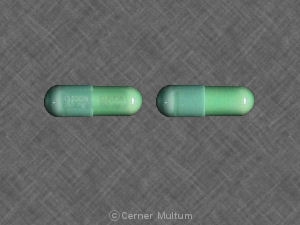
Cleocin is essentially a regional brand with a narrow international footprint. It is registered in just five countries — Italy, the United States, Turkey, Taiwan, and South Korea — a scattered rather than clustered distribution that spans North America, southern Europe, and parts of East Asia. A traveller arriving outside these markets is unlikely to find the Cleocin brand on a pharmacy shelf, even though its active ingredient is broadly available worldwide.
The active ingredient in Cleocin is clindamycin phosphate, classified as an antibacterial agent with bacteriostatic activity, and also used in topical antiacne and gynaecological anti-infective formulations. It is prescribed across a range of bacterial infections — including soft tissue infections, abscesses, lung abscess, peritonitis, bacterial vaginosis, and colitis — as well as for acne when used topically. The structured indication list further down this page details each registered use as recognised by national regulators.
Outside the handful of countries where Cleocin is registered, clindamycin is generally available under different brand names and across a variety of formulations — oral, topical, vaginal, and injectable — depending on the indication. Patients who have been prescribed Cleocin in one country and are travelling or relocating to another will usually find clindamycin-containing therapy available in the destination market, but under an unfamiliar label. A local pharmacist familiar with the regional formulary is the right person to identify the equivalent product and confirm whether the formulation matches the prescribed use.
Other antibacterial agents from related classes are also distributed internationally, although they are not freely interchangeable with clindamycin. Antibiotic selection is closely tied to the specific infection and the patient's clinical context, and any substitution or change in therapy should be made by the prescribing healthcare provider rather than improvised across borders.