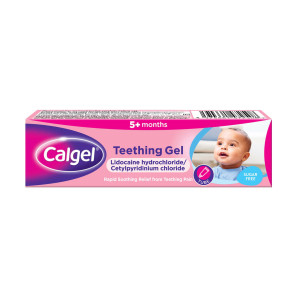
Calgel is a fixed-dose combination of lidocaine hydrochloride and cetylpyridinium chloride, paired in a single oral preparation for the management of pain and inflammation in the mouth and throat. Combination products of this kind bring together a local-anaesthetic ingredient and an antiseptic ingredient so that the symptomatic and antimicrobial aspects of an oral-cavity complaint can be addressed within one formulation rather than two separate products.
Lidocaine hydrochloride is a well-established local anaesthetic, while cetylpyridinium chloride sits within the disinfectant category and is widely used in oral-care preparations. In Calgel, the two ingredients support indications that include gingivitis, stomatitis, pharyngitis, tonsillitis, laryngitis, and teething-related pain — a range that spans both adult oral and throat complaints and the discomfort associated with teething in young children.
Calgel is registered in 13 countries, with a footprint concentrated across Central and Eastern Europe, the Balkans, and parts of the Caucasus. Representative markets include Poland, the United Kingdom, Russia, Georgia, and Croatia. Travellers familiar with Calgel from any of these markets may not encounter the same brand in Western Europe, the Americas, or much of Asia, although lidocaine-based and cetylpyridinium-based oral preparations exist internationally under different brand names and formulations.
Combination oral and throat-care products vary noticeably between countries, both in their precise ingredient pairings and in their regulatory status — some are pharmacy medicines, others are over-the-counter, and guidance on use in young children has shifted in several markets. A local pharmacist can identify a comparable product where Calgel is not sold, and any decision about use, especially for a child, is best made in consultation with a healthcare provider.
Shelf life
3 years (unopened)
Incompatibilities
None known
List of excipients
Sorbitol solution (70%) (E420)
Xylitol (E967)
Ethanol 96%
Glycerol
Hydroxyethyl cellulose 5000
Macrogolglycerol hydroxystearate (Cremophor RH 40) (castor oil polyoxyl hydrogenated)
Macrogol lauryl ether 9
Macrogol 300
Saccharin sodium
Levomenthol
Pharmaceutical liquid flavour, (containing chamomile)
Caramel (E150)
Citric acid monohydrate
Sodium citrate dihydrate
Purified water
Preclinical safety data
No additional information.
Date of revision of the text
02/09/2016
Marketing authorisation holder
McNeil Products Limited
Foundation Park
Roxborough Way
Maidenhead
Berkshire
SL6 3UG
United Kingdom
Special precautions for storage
Do not store above 25°C.
Nature and contents of container
10 g collapsible, internally lacquered, aluminium tube, the nozzle of which possesses a membrane.
Marketing authorisation number(s)
PL 15513/0015
Special precautions for disposal and other handling
No special requirements for disposal
Date of first authorisation/renewal of the authorisation
04.06.99