Home / Medicine / Betoblock

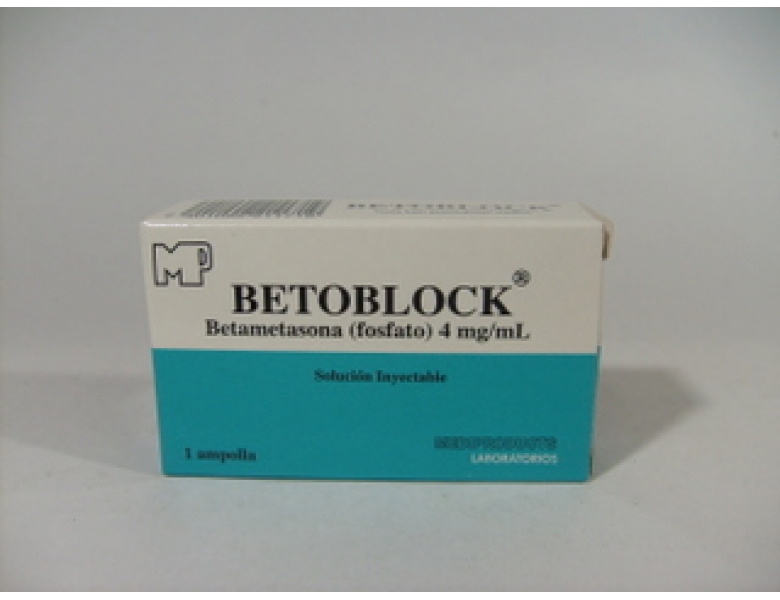
Betoblock

Betoblock is essentially a regional brand. Its marketing authorisation extends to five countries clustered across Central America, and its active ingredient is betamethasone dipropionate. Outside this geography — Belize, Guatemala, Honduras, El Salvador, and Nicaragua — the specific Betoblock brand is unlikely to appear on a pharmacy shelf, even though the underlying molecule is one of the most internationally familiar corticosteroids in clinical use.

Betamethasone dipropionate is classified as a glucocorticoid and falls within the broader corticosteroid category, used both as a dermatological preparation and, in certain formulations, for systemic use. Across its registered indications, the ingredient is associated with a range of therapeutic roles — from inflammatory and allergic skin conditions such as dermatitis, psoriasis, and neurodermatitis, through to respiratory indications like asthma and pneumonia, and supportive use in oncology contexts including leukaemia and chemotherapy. The structured indication block further down this page lists the registered uses recognised in the markets where Betoblock is sold.

A traveller or expatriate familiar with Betoblock from Central America will not generally find the same brand elsewhere, but betamethasone-containing products circulate worldwide under a variety of other brand names and formulations. The corticosteroid class as a whole is one of the best-represented therapeutic categories in international pharmacy practice, with multiple molecules available as topical preparations, inhalers, and systemic forms depending on the indication.

A local pharmacist is well placed to act as a translator between the Betoblock packaging a patient knows and what is stocked in another country, since regulatory status, presentation, and prescription pathways for corticosteroids vary substantially between markets. Any decision to begin, continue, switch, or discontinue a corticosteroid should be made together with a healthcare provider who knows the patient's full medical picture.
How does this drug class actually work?
Read the plain-language explainer in Pharmacology Academy (H1 antihistamines) →

Frequently asked questions

What conditions does Betoblock treat?

Betoblock is prescribed across a broad range of indications associated with its active ingredient, a glucocorticoid corticosteroid. Registered uses include inflammatory and allergic skin conditions such as dermatitis, psoriasis, and neurodermatitis, respiratory indications including asthma and pneumonia, and supportive roles in oncology contexts such as leukaemia and chemotherapy. The structured indication section beneath this introduction lists each registered use in the markets where Betoblock is sold.

Which active substance is in Betoblock?

Betoblock contains betamethasone dipropionate, a glucocorticoid in the corticosteroid class. It is used both as a dermatological preparation and, depending on formulation, for systemic effects. Betamethasone-containing products circulate internationally under several different brand names and presentations, so the same active ingredient a patient knows from Betoblock is generally accessible elsewhere even where this specific brand is not registered.

In how many countries is Betoblock available?

Betoblock is registered in five countries, all within Central America: Belize, Guatemala, Honduras, El Salvador, and Nicaragua. Outside this regional cluster the brand is not commonly encountered, although betamethasone dipropionate itself is widely available worldwide under other brand names. If your country is not on this list, a local pharmacist can confirm whether a comparable corticosteroid preparation is available locally.

Are there other medications with the same active ingredient as Betoblock?

Betamethasone dipropionate is sold under multiple brand names internationally, both as topical dermatological preparations and in other formulations. The wider corticosteroid class also includes a number of other glucocorticoid molecules, although these are not freely interchangeable — strength, route, and clinical positioning differ. To identify a regional equivalent, search the active ingredient on Pill2Trip or ask a pharmacist about corticosteroid products appropriate for your situation.

Should I consult a doctor before taking Betoblock?

Yes. Corticosteroid therapy is individualised to the indication, the formulation, and the patient's broader medical picture, and prescription requirements for these medications vary considerably between countries. Travellers and expatriates moving between regulatory regimes may find that the same molecule is dispensed differently abroad. Any decision to start, continue, change, or discontinue a corticosteroid should be made in consultation with a healthcare provider familiar with the patient.

Betoblock

Available in 5 countries