Home / Medicine / Betaserc

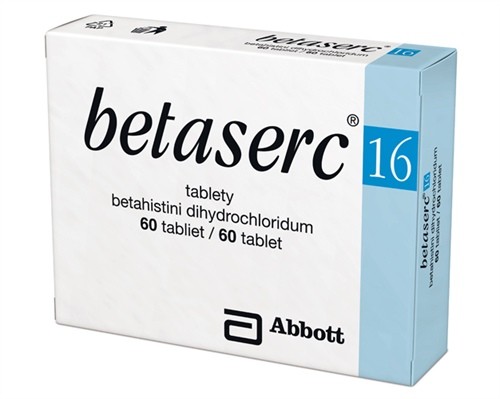
Betaserc

Marketed in 44 countries across Europe, Latin America, the Middle East, and parts of Asia, Betaserc is a globally distributed brand of betahistine, classified within the histaminergic and vestibular-function categories of nervous system medication. For travellers and expatriates who recognise the brand from one country and are trying to identify it in another, this page collects the registered international footprint in one place.

Betahistine is prescribed in the management of vestibular and inner-ear-related symptoms, including dizziness and lightheadedness, tinnitus, and certain forms of hearing disturbance. The structured indication block further down this page reflects the registered uses recognised by national regulators in the markets where Betaserc is sold, and the wording can vary subtly from one country's authorisation to another.

Because Betaserc has a wide international footprint, the same brand frequently turns up in pharmacies across very different regulatory environments — examples include Brazil, Belgium, Egypt, the Czech Republic, and Chile. In some markets it is sold as Betaserc; in others the same active ingredient circulates under different brand names or as a generic. Packaging, labelling language, and the route to obtaining it can all vary, and a local pharmacist is generally the most efficient point of contact for confirming what is available regionally.

Other medications acting on histaminergic pathways or used to support vestibular function exist internationally under different molecules and brand names, and the appropriateness of any one of them depends on the underlying diagnosis. A pharmacist abroad can identify locally registered options containing betahistine, but the decision to begin, continue, switch, or discontinue treatment belongs with a healthcare provider familiar with the patient's full clinical picture.
Frequently asked questions

What conditions does Betaserc treat?

Betaserc is prescribed in the management of inner-ear and vestibular-related symptoms, including dizziness and lightheadedness, tinnitus, and certain forms of hearing disturbance. As a histaminergic agent that also acts on vestibular function and microcirculation, it is positioned within the broader category of nervous system medications used for balance-related complaints. The structured indication section below this introduction lists each registered use in the markets where Betaserc is sold.

Which active substance is in Betaserc?

Betaserc contains betahistine, a histamine-like agent classified among medications that support vestibular function and microcirculation. Betahistine is the same molecule whether sold under the Betaserc brand or as a generic, and the active ingredient circulates internationally under multiple commercial names — particularly in markets where several manufacturers produce betahistine-containing products in parallel.

In how many countries is Betaserc available?

Betaserc carries marketing authorisation in 44 countries, spanning Europe, Latin America, the Middle East, and parts of South Asia. Representative examples include Brazil, Belgium, Egypt, Argentina, the Czech Republic, Bangladesh, and Denmark. If your country is not represented in the list shown on this page, a local pharmacist can usually confirm whether betahistine is available in that market under a different brand name or as a generic.

Are there other medications with the same active ingredient as Betaserc?

Betahistine is sold under several brand names worldwide, particularly in markets where the original patent has expired and multiple manufacturers produce the molecule. Other medications used in the management of vestibular and balance-related symptoms also exist, although they are not interchangeable without medical guidance — different molecules differ meaningfully in profile and indication. To identify a local betahistine-containing product, search the active ingredient on Pill2Trip or ask a pharmacist.

Should I consult a doctor before taking Betaserc?

Yes. Betaserc is a prescription medication in most of the markets where it is registered, and vestibular symptoms in particular benefit from a proper diagnosis before any therapy is started — dizziness, tinnitus, and hearing changes can arise from a wide range of underlying causes. Prescription requirements and available formulations also differ between countries, which matters for travellers and people relocating. Any decision to start, stop, or substitute betahistine should involve a healthcare provider.