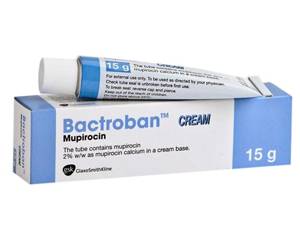
Among mupirocin-based products on the international market, Bactroban is one of the more broadly distributed brands, registered in 55 countries. Its active ingredient is mupirocin calcium, classified within the category of antibiotics and chemotherapeutics for dermatological use, with bactericidal and bacteriostatic activity across a wide range of skin pathogens. The page exists for travellers, expatriates, and family members trying to identify a familiar topical antibacterial under a different label or confirm what a local prescriber has handed them.
Bactroban is prescribed for a range of bacterial skin conditions and complications of broken skin, including impetigo, folliculitis, furuncles, infected eczema, and the management of abrasions, lacerations, and crush injuries where bacterial colonisation is a concern. The structured indication list below this introduction shows the registered uses recognised in the markets where Bactroban is sold.
With a footprint that spans 55 countries — including Brazil, Australia, Canada, China, and Denmark — Bactroban is encountered by travellers across very different regulatory regimes. Local labelling, pack size, and whether a topical antibacterial is dispensed on prescription or over the counter vary considerably. The same active ingredient also circulates internationally under several other brand names, particularly in markets where multiple manufacturers produce mupirocin preparations in parallel.
Other topical antibacterial agents within the broader dermatological-antibiotic category exist worldwide and may be stocked in place of Bactroban in some pharmacies, although they are not freely interchangeable. A local pharmacist can identify which mupirocin-containing or comparable topical product is available in a given country. Decisions about starting a topical antibiotic, continuing one begun abroad, or switching to an alternative are appropriately made with input from a healthcare provider familiar with the patient.