Home / Medicine / Bactrim

Bactrim

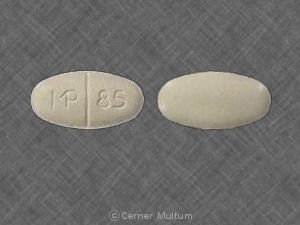
Bactrim is a widely registered sulfonamide combination, marketed in 35 countries across both established and emerging healthcare markets. Its active ingredients are sulphamethoxazole and trimethoprim, two antibacterial molecules paired within a single oral preparation and classified together as a sulfonamide combination.

The combination is prescribed for a range of bacterial infections, including urinary tract infections, certain types of pneumonia, shigellosis, and enteritis, as well as for the prevention of specific infections in patients at higher risk. The two ingredients act on sequential steps of the same bacterial pathway, which is why they have been formulated together rather than prescribed individually — a pairing that has been a backbone of antibacterial therapy for decades. The structured indication list further down this page details the registered uses recognised in the markets where Bactrim is sold.

Because Bactrim has such a broad international footprint, travellers and expatriates frequently encounter the same combination abroad, sometimes labelled as Bactrim and sometimes under other brand names or as a generic sulphamethoxazole-trimethoprim product. Markets where the brand is registered include Brazil, Italy, Australia, Indonesia, and Lebanon, but regulatory status, packaging, and prescription pathways differ considerably from one country to another. A pharmacist in the destination market can confirm whether a locally available sulphamethoxazole-trimethoprim product corresponds to what the patient is used to.

Other antibacterial agents are available worldwide for overlapping indications, but antibiotic choice is rarely a like-for-like substitution — it depends on the type of infection, the patient's history, and regional resistance patterns. Any change to antibacterial therapy, whether at home or while travelling, belongs in the hands of a prescribing healthcare provider.
Frequently asked questions

What conditions does Bactrim treat?

Bactrim is prescribed for a range of bacterial infections, including urinary tract infections, certain types of pneumonia, shigellosis, and enteritis, as well as for the prevention of specific infections in at-risk patients. The pairing of two antibacterial molecules within the sulfonamide combination class underpins its use across these indications. The structured indication block further down this page lists each registered use in the markets where Bactrim is sold.

What is Bactrim made of?

Bactrim contains two active ingredients: sulphamethoxazole and trimethoprim, paired together as a sulfonamide combination. The two molecules work on sequential steps of the same bacterial pathway, which is why they are formulated together rather than used alone. The same fixed combination circulates worldwide under several other brand names and as a generic in markets where the original patent has long expired.

In how many countries is Bactrim available?

Bactrim is registered in 35 countries spanning Europe, Latin America, Asia, and Oceania. Examples include Brazil, Australia, France, India, Lebanon, and Argentina. If your country is not represented on this list, a local pharmacist can usually confirm whether the sulphamethoxazole-trimethoprim combination is available in that market under a different brand name or as a generic equivalent.

Can I find a generic version of Bactrim?

The sulphamethoxazole-trimethoprim combination is widely available as a generic and under several other brand names internationally, particularly in markets where the original patent has expired. Other antibacterial agents exist for overlapping indications, but they are not interchangeable without medical guidance, since antibiotic selection depends on the type of infection and local resistance patterns. To identify a regional equivalent, search the active ingredients on Pill2Trip or ask a pharmacist.

Should I consult a doctor before taking Bactrim?

Yes. Bactrim is a prescription antibacterial medication, and antibiotic therapy in particular needs to be matched to the specific infection, the patient's history, and local resistance considerations. This is especially relevant for travellers and people relocating between countries, where prescription rules, available brands, and treatment guidelines can differ. Any decision to start, stop, or substitute Bactrim should be made with a healthcare provider rather than at a pharmacy counter.