Home / Medicine / Axid

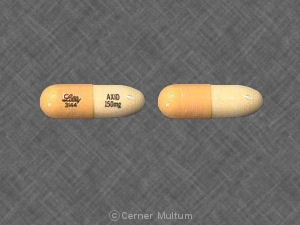
Axid

Axid contains nizatidine, an antiulcer medication that falls within the broader category of drugs for acid-related disorders. The brand is registered in 14 countries spread across several distinct regional markets, which makes it a moderately distributed product rather than a globally ubiquitous one.

Nizatidine is prescribed in the management of acid-related gastrointestinal conditions, including peptic ulcer, duodenal ulcer, stomach ulcer, gastroesophageal reflux disease, reflux esophagitis, and symptomatic heartburn. It belongs to a generation of acid-suppressing medications that work on the stomach's acid-producing pathway, a category that has been a mainstay of upper-gastrointestinal therapy for decades. The structured indication section further down this page lists each registered use as recognised in the markets where Axid is sold.

The 14-country footprint of Axid spans North America, Europe, the Middle East, and parts of Asia, with marketing authorisation in places such as Canada, Brazil, Turkey, China, Pakistan, and the Netherlands. Travellers and expatriates moving between these regions may find the brand under the Axid name, while in other countries the same molecule — nizatidine — circulates under different commercial names, and in some markets it has been withdrawn or replaced by other acid-suppressing options. Local regulatory status, prescription rules, and even over-the-counter availability vary considerably from one country to another.

Other medications in the broader acid-suppression category, including different molecules used to manage reflux and ulcer disease, are widely available worldwide. A local pharmacist familiar with the regional formulary is well placed to identify whether nizatidine itself or a comparable acid-related-disorder medication is available in your destination. Any decision to begin, continue, change, or substitute a medication of this kind is best made together with a healthcare provider who knows the patient's history.
Overdose

Contraindications

Incompatibilities

Undesirable effects

Therapeutic indications

Pharmacotherapeutic group

Pharmacokinetic properties

Special precautions for storage

Nature and contents of container

Fertility, pregnancy and lactation

Nosological classification (ICD-10)

Qualitative and quantitative composition

Special warnings and precautions for use

Dosage (Posology) and method of administration

ATC - Anatomical and therapeutic chemical classification

Interaction with other medicinal products and other forms of interaction

Frequently asked questions

What conditions does Axid treat?

Axid is prescribed in the management of acid-related gastrointestinal conditions, including peptic ulcer, duodenal ulcer, stomach ulcer, gastroesophageal reflux disease, reflux esophagitis, and symptomatic heartburn. It sits within the antiulcer and acid-related-disorder category of medications, which act on the stomach's acid-producing pathway. The structured indication block below this introduction lists each registered use as recognised by regulators in the markets where Axid is sold.

Which active substance is in Axid?

Axid contains nizatidine, classified as an antiulcer medication and as part of the broader category of drugs for acid-related disorders. Nizatidine is the same molecule whether sold under the Axid brand or under other commercial names — internationally, the same active ingredient circulates under multiple brand names depending on the manufacturer and the regulatory market in which it is authorised.

In how many countries is Axid available?

Axid is registered in 14 countries spanning several regions, including Canada, Brazil, Turkey, China, Pakistan, the Netherlands, Russia, and Lebanon. If your country is not represented on this list, a local pharmacist can usually confirm whether nizatidine is available locally under a different brand name, or whether another medication within the acid-related-disorder category is the appropriate option for your situation.

Can I find a generic version of Axid?

Nizatidine is sold under several brand names internationally, particularly in markets where the original patent has expired and generic manufacturers produce the molecule in parallel. Other medications within the broader acid-related-disorder category also exist, although they are not freely interchangeable — different molecules within the category have meaningfully different profiles. To identify a local nizatidine product, search the active ingredient on Pill2Trip or ask a pharmacist.

Is Axid a prescription medication?

Yes. Acid-suppressing medications used for ulcer disease and reflux are generally calibrated to a patient's symptoms, history, and concurrent medications, and prescription requirements differ between countries — in some markets nizatidine and similar products are dispensed only on prescription, while in others related categories are partly available over the counter. Travellers and expatriates should confirm local rules and involve a healthcare provider in any change of therapy.

Axid

Available in 14 countries