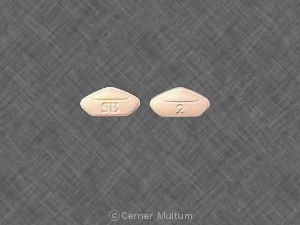
Overdose
Limited data are available with regard to overdosage in
humans. In clinical trials in volunteers, AVANDIA has been administered at
single oral doses of up to 20 mg and was well tolerated. In the event of an
overdose, appropriate supportive treatment should be initiated as dictated by
the patient's clinical status.
Contraindications
- Initiation of AVANDIA in patients with established New
York Heart Association (NYHA) Class III or IV heart failure is contraindicated
.
- Use in patients with a history of a hypersensitivity
reaction to rosiglitazone or any of the product's ingredients.
Undesirable effects
The following adverse reactions are discussed in more
detail elsewhere in the labeling:
- Cardiac Failure
- Major Adverse Cardiovascular Events
- Edema
- Weight Gain
- Hepatic Effects
- Macular Edema
- Fractures
- Hematologic Effects
- Ovul ati on
Clinical Trial Experience
Because clinical trials are conducted under widely
varying conditions, adverse reaction rates observed in the clinical trials of a
drug cannot be directly compared with rates in the clinical trials of another
drug and may not reflect the rates observed in practice.
Adult
In clinical trials, approximately 9,900 patients with
type 2 diabetes have been treated with AVANDIA.
Short-term Trials of AVANDIA as Monotherapy and In
Combination With Other Hypoglycemic Agents: The incidence and types of
adverse events reported in short-term clinical trials of AVANDIA as monotherapy
are shown in Table 3.
Table 3: Adverse Events (≥5% in any Treatment
Group) Reported by Patients in Short terma Double-blind Clinical Trials With AVANDIA as Monotherapy
| Preferred Term |
Clinical Trials With AVANDIA as Monotherapy |
AVANDIA Monotherapy
N = 2,526 % |
Placebo
N = 601 % |
Metformin
N = 225 % |
Sulfonylureasb
N = 626 % |
| Upper respiratory tract infection |
9.9 |
8.7 |
8.9 |
7.3 |
| Injury |
7.6 |
4.3 |
7.6 |
6.1 |
| Headache |
5.9 |
5.0 |
8.9 |
5.4 |
| Back pain |
4.0 |
3.8 |
4.0 |
5.0 |
| Hyperglycemia |
3.9 |
5.7 |
4.4 |
8.1 |
| Fatigue |
3.6 |
5.0 |
4.0 |
1.9 |
| Sinusitis |
3.2 |
4.5 |
5.3 |
3.0 |
| Diarrhea |
2.3 |
3.3 |
15.6 |
3.0 |
| Hypoglycemia |
0.6 |
0.2 |
1.3 |
5.9 |
a Short-term trials ranged from 8 weeks to 1
year.
b Includes patients receiving glyburide (N = 514), gliclazide (N =
91), or glipizide (N = 21). |
Overall, the types of adverse reactions without regard to
causality reported when AVANDIA was used in combination with a sulfonylurea or
metformin were similar to those during monotherapy with AVANDIA.
Events of anemia and edema tended to be reported more
frequently at higher doses, and were generally mild to moderate in severity and
usually did not require discontinuation of treatment with AVANDIA.
In double-blind trials, anemia was reported in 1.9% of
patients receiving AVANDIA as monotherapy compared with 0.7% on placebo, 0.6%
on sulfonylureas, and 2.2% on metformin. Reports of anemia were greater in
patients treated with a combination of AVANDIA and metformin (7.1%) and with a
combination of AVANDIA and a sulfonylurea plus metformin (6.7%) compared with
monotherapy with AVANDIA or in combination with a sulfonylurea (2.3%). Lower
pre-treatment hemoglobin/hematocrit levels in patients enrolled in the
metformin combination clinical trials may have contributed to the higher
reporting rate of anemia in these trials.
In clinical trials, edema was reported in 4.8% of
patients receiving AVANDIA as monotherapy compared with 1.3% on placebo, 1.0%
on sulfonylureas, and 2.2% on metformin. The reporting rate of edema was higher
for AVANDIA 8 mg in sulfonylurea combinations (12.4%) compared with other
combinations, with the exception of insulin. Edema was reported in 14.7% of
patients receiving AVANDIA in the insulin combination trials compared with 5.4%
on insulin alone. Reports of new onset or exacerbation of congestive heart
failure occurred at rates of 1% for insulin alone, and 2% (4 mg) and 3% (8 mg)
for insulin in combination with AVANDIA.
In controlled combination therapy trials with
sulfonylureas, mild to moderate hypoglycemic symptoms, which appear to be dose
related, were reported. Few patients were withdrawn for hypoglycemia ( < 1%)
and few episodes of hypoglycemia were considered to be severe ( < 1%).
Hypoglycemia was the most frequently reported adverse event in the fixed-dose
insulin combination trials, although few patients withdrew for hypoglycemia (4
of 408 for AVANDIA plus insulin and 1 of 203 for insulin alone). Rates of
hypoglycemia, confirmed by capillary blood glucose concentration ≤ 50
mg/dL, were 6% for insulin alone and 12% (4 mg) and 14% (8 mg) for insulin in
combination with AVANDIA.
Long-term Trial of AVANDIA as Monotherapy: A 4- to
6-year trial (ADOPT) compared the use of AVANDIA (n = 1,456), glyburide (n =
1,441), and metformin (n = 1,454) as monotherapy in patients recently diagnosed
with type 2 diabetes who were not previously treated with antidiabetic
medication. Table 4 presents adverse reactions without regard to causality;
rates are expressed per 100 patient-years (PY) exposure to account for the
differences in exposure to trial medication across the 3 treatment groups.
In ADOPT, fractures were reported in a greater number of
women treated with AVANDIA (9.3%, 2.7/100 patient-years) compared with
glyburide (3.5%, 1.3/100 patient-years) or metformin (5.1%, 1.5/100
patient-years). The majority of the fractures in the women who received rosiglitazone
were reported in the upper arm, hand, and foot. The observed incidence of fractures for
male patients was similar among the 3 treatment groups.
Table 4: On-therapy Adverse Events [≥5 Events/100
Patient-Years (PY)] in any Treatment Group Reported
in a 4-to 6-Year Clinical Trial of AVANDIA as Monotherapy (ADOPT)
| Preferred Term |
AVANDIA
N = 1,456
PY = 4,954 |
Glyburide
N = 1,441
PY = 4,244 |
Metformin
N = 1,454
PY = 4,906 |
| Nasopharyngitis |
6.3 |
6.9 |
6.6 |
| Back pain |
5.1 |
4.9 |
5.3 |
| Arthralgia |
5.0 |
4.8 |
4.2 |
| Hypertension |
4.4 |
6.0 |
6.1 |
| Upper respiratory tract infection |
4.3 |
5.0 |
4.7 |
| Hypoglycemia |
2.9 |
13.0 |
3.4 |
| Diarrhea |
2.5 |
3.2 |
6.8 |
Long-term Trial of AVANDIA as Combination Therapy
(RECORD): RECORD (Rosiglitazone Evaluated for Cardiac Outcomes and
Regulation of Glycemia in Diabetes) was a multicenter, randomized, open-label,
non-inferiority trial in subjects with type 2 diabetes inadequately controlled
on maximum doses of metformin or sulfonylurea (glyburide, gliclazide, or
glimepiride) to compare the time to reach the combined cardiovascular endpoint
of cardiovascular death or cardiovascular hospitalization between patients
randomized to the addition of AVANDIA versus metformin or sulfonylurea. The
trial included patients who have failed metformin or sulfonylurea monotherapy; those
who failed metformin (n = 2,222) were randomized to receive either AVANDIA as
add-on therapy (n = 1,117) or add-on sulfonylurea (n = 1,105), and those who
failed sulfonylurea (n = 2,225) were randomized to receive either AVANDIA as
add-on therapy (n = 1,103) or add-on metformin (n = 1,122). Patients were
treated to target HbA1c ≤ 7% throughout the trial.
The mean age of patients in this trial was 58 years, 52%
were male, and the mean duration of follow-up was 5.5 years. AVANDIA
demonstrated non-inferiority to active control for the primary endpoint of
cardiovascular hospitalization or cardiovascular death (HR 0.99, 95% CI:
0.85-1.16). There were no significant differences between groups for secondary
endpoints with the exception of congestive heart failure (see Table 5). The
incidence of congestive heart failure was significantly greater among patients
randomized to AVANDIA.
Table 5: Cardiovascular (CV) Outcomes for the RECORD
Trial
| Primary Endpoint |
AVANDIA
N = 2,220 |
Active Contro
l N = 2,227 |
Hazard Ratio |
95% CI |
| CV death or CV hospitalization |
321 |
323 |
0.99 |
0.85-1.16 |
| Secondary Endpoint |
| All-cause death |
136 |
157 |
0.86 |
0.68-1.08 |
| CV death |
60 |
71 |
0.84 |
0.59-1.18 |
| Myocardial infarction |
64 |
56 |
1.14 |
0.80-1.63 |
| Stroke |
46 |
63 |
0.72 |
0.49-1.06 |
| CV death, myocardial infarction, or stroke |
154 |
165 |
0.93 |
0.74-1.15 |
| Heart failure |
61 |
29 |
2.10 |
1.35-3.27 |
There was an increased incidence of bone fracture for subjects
randomized to AVANDIA in addition to metformin or sulfonylurea compared with
those randomized to metformin plus sulfonylurea (8.3% versus 5.3%). The majority
of fractures were reported in the upper limbs and distal lower limbs. The risk
of fracture appeared to be higher in females relative to control (11.5% versus
6.3%), than in males relative to control (5.3% versus 4.3%). Additional data
are necessary to determine whether there is an increased risk of fracture in
males after a longer period of follow-up.
Pediatric
AVANDIA has been evaluated for safety in a single,
active-controlled trial of pediatric patients with type 2 diabetes in which 99
were treated with AVANDIA and 101 were treated with metformin. The most common
adverse reactions (>10%) without regard to causality for either AVANDIA or
metformin were headache (17% versus 14%), nausea (4% versus 11%),
nasopharyngitis (3% versus 12%), and diarrhea (1% versus 13%). In this trial,
one case of diabetic ketoacidosis was reported in the metformin group. In
addition, there were 3 patients in the rosiglitazone group who had FPG of
approximately 300 mg/dL, 2+ ketonuria, and an elevated anion gap.
Laboratory Abnormalities
Hematologic
Decreases in mean hemoglobin and hematocrit occurred in a
dose-related fashion in adult patients treated with AVANDIA (mean decreases in
individual trials as much as 1.0 g/dL hemoglobin and as much as 3.3%
hematocrit). The changes occurred primarily during the first 3 months following
initiation of therapy with AVANDIA or following a dose increase in AVANDIA. The
time course and magnitude of decreases were similar in patients treated with a
combination of AVANDIA and other hypoglycemic agents or monotherapy with
AVANDIA. Pre-treatment levels of hemoglobin and hematocrit were lower in
patients in metformin combination trials and may have contributed to the higher
reporting rate of anemia. In a single trial in pediatric patients, decreases in
hemoglobin and hematocrit (mean decreases of 0.29 g/dL and 0.95%, respectively)
were reported. Small decreases in hemoglobin and hematocrit have also been
reported in pediatric patients treated with AVANDIA. White blood cell counts
also decreased slightly in adult patients treated with AVANDIA. Decreases in
hematologic parameters may be related to increased plasma volume observed with
treatment with AVANDIA.
Lipids
Changes in serum lipids have been observed following
treatment with AVANDIA in adults. Small changes in serum lipid parameters were reported in
children treated with AVANDIA for 24 weeks.
Serum Transaminase Levels
In pre-approval clinical trials in 4,598 patients treated
with AVANDIA (3,600 patient-years of exposure) and in a long-term 4- to 6-year
trial in 1,456 patients treated with AVANDIA (4,954 patient-years exposure),
there was no evidence of druginduced hepatotoxicity.
In pre-approval controlled trials, 0.2% of patients
treated with AVANDIA had elevations in ALT >3X the upper limit of normal
compared with 0.2% on placebo and 0.5% on active comparators. The ALT
elevations in patients treated with AVANDIA were reversible. Hyperbilirubinemia
was found in 0.3% of patients treated with AVANDIA compared with 0.9% treated
with placebo and 1% in patients treated with active comparators. In
pre-approval clinical trials, there were no cases of idiosyncratic drug
reactions leading to hepatic failure.
In the 4- to 6-year ADOPT trial, patients treated with
AVANDIA (4,954 patient-years exposure), glyburide (4,244 patient-years
exposure), or metformin (4,906 patient-years exposure), as monotherapy, had the
same rate of ALT increase to >3X upper limit of normal (0.3 per 100
patient-years exposure).
In the RECORD trial, patients randomized to AVANDIA in
addition to metformin or sulfonylurea (10,849 patient-years exposure) and to
metformin plus sulfonylurea (10,209 patientyears exposure) had a rate of ALT
increase to ≥3X upper limit of normal of approximately 0.2 and 0.3 per
100 patient-years exposure, respectively.
Postmarketing Experience
In addition to adverse reactions reported from clinical
trials, the events described below have been identified during post-approval
use of AVANDIA. Because these events are reported voluntarily from a population
of unknown size, it is not possible to reliably estimate their frequency or to
always establish a causal relationship to drug exposure.
In patients receiving thiazolidinedione therapy, serious
adverse events with or without a fatal outcome, potentially related to volume
expansion (e.g., congestive heart failure, pulmonary edema, and pleural
effusions) have been reported.
There are postmarketing reports with AVANDIA of
hepatitis, hepatic enzyme elevations to 3 or more times the upper limit of
normal, and hepatic failure with and without fatal outcome, although causality
has not been established.
There are postmarketing reports with AVANDIA of rash,
pruritus, urticaria, angioedema, anaphylactic reaction, Stevens-Johnson
syndrome.
Therapeutic indications
AVANDIA® is a thiazolidinedione antidiabetic agent
indicated as an adjunct to diet and exercise to improve glycemic control in
adults with type 2 diabetes mellitus.
Important Limitations of Use
- Due to its mechanism of action, AVANDIA is active only in
the presence of endogenous insulin. Therefore, AVANDIA should not be used in
patients with type 1 diabetes mellitus or for the treatment of diabetic
ketoacidosis.
- The coadministration of AVANDIA and insulin is not
recommended.
Pharmacodynamic properties
Patients with lipid abnormalities were not excluded from
clinical trials of AVANDIA. In all 26-week controlled trials, across the
recommended dose range, AVANDIA as monotherapy was associated with increases in
total cholesterol, LDL, and HDL and decreases in free fatty acids. These
changes were statistically significantly different from placebo or glyburide
controls (Table 7).
Increases in LDL occurred primarily during the first 1 to
2 months of therapy with AVANDIA and LDL levels remained elevated above
baseline throughout the trials. In contrast, HDL continued to rise over time.
As a result, the LDL/HDL ratio peaked after 2 months of therapy and then
appeared to decrease over time. Because of the temporal nature of lipid
changes, the 52-week, glyburide-controlled trial is most pertinent to assess
long-term effects on lipids. At baseline, Week 26, and Week 52, mean LDL/HDL
ratios were 3.1, 3.2, and 3.0, respectively, for AVANDIA 4 mg twice daily. The
corresponding values for glyburide were 3.2, 3.1, and 2.9. The differences in
change from baseline between AVANDIA and glyburide at Week 52 were
statistically significant.
The pattern of LDL and HDL changes following therapy with
AVANDIA in combination with other hypoglycemic agents were generally similar to
those seen with AVANDIA in monotherapy.
The changes in triglycerides during therapy with AVANDIA
were variable and were generally not statistically different from placebo or
glyburide controls.
Table 7: Summary of Mean Lipid Changes in 26-Week,
Placebo-controlled and 52-Week, Glyburide-controlled Monotherapy Trials
| Parameter |
Placebo-controlled Trials Week 26 |
Glyburide-controlled Trial Week 26 and Week 52 |
| Placebo |
AVANDIA |
Glyburide Titration |
AVANDIA 8 mg |
| |
4 mg Dailya |
8 mg Dailya |
Week 26 |
Week 52 |
Week 26 |
Week 52 |
| Free fatty acids |
| N |
207 |
428 |
436 |
181 |
168 |
166 |
145 |
| Baseline (mean) % |
18.1 |
17.5 |
17.9 |
26.4 |
26.4 |
26.9 |
26.6 |
| Change from baseline(mean) |
+0.2% |
-7.8% |
-14.7% |
-2.4% |
-4.7% |
-20.8% |
-21.5% |
| LDL |
| N |
190 |
400 |
374 |
175 |
160 |
161 |
133 |
| Baseline (mean) % |
123.7 |
126.8 |
125.3 |
142.7 |
141.9 |
142.1 |
142.1 |
| Change from baseline(mean) |
+4.8% |
+14.1% |
+18.6% |
-0.9% |
-0.5% |
+11.9% |
+12.1% |
| HDL |
| N |
208 |
429 |
436 |
184 |
170 |
170 |
145 |
| Baseline (mean) % |
44.1 |
44.4 |
43.0 |
47.2 |
47.7 |
48.4 |
48.3 |
| Change from baseline(mean) |
+8.0% |
+11.4% |
+14.2% |
+4.3% |
+8.7% |
+14.0% |
+18.5% |
| a Once-daily and twice-daily dosing groups
were combined. |
Pharmacokinetic properties
Maximum plasma concentration (Cmax) and the area under
the curve (AUC) of rosiglitazone increase in a dose-proportional manner over
the therapeutic dose range (Table 8). The elimination half-life is 3 to 4 hours
and is independent of dose.
Table 8: Mean (SD) Pharmacokinetic Parameters for
Rosiglitazone Following Single Oral Doses (N = 32)
| Parameter |
1 mg Fasting |
2 mg Fasting |
8 mg Fasting |
8 mg Fed |
| AUC0-inf (ng.h/mL) |
358 (112) |
733 (184) |
2,971 (730) |
2,890 (795) |
| Cmax (ng/mL) |
76 (13) |
156 (42) |
598 (117) |
432 (92) |
| T½ (h) |
3.16 (0.72) |
3.15 (0.39) |
3.37 (0.63) |
3.59 (0.70) |
| CL/F (L/h) |
3.03 (0.87) |
2.89 (0.71) |
2.85 (0.69) |
2.97 (0.81) |
| AUC = area under the curve; Cmax = maximum concentration;
T½ = terminal half-life; CL/F = Oral clearance. |
Absorption
The absolute bioavailability of rosiglitazone is 99%.
Peak plasma concentrations are observed about 1 hour after dosing. Administration
of rosiglitazone with food resulted in no change in overall exposure (AUC), but
there was an approximately 28% decrease in Cmax and a delay in Tmax (1.75
hours). These changes are not likely to be clinically significant; therefore,
AVANDIA may be administered with or without food.
Distribution
The mean (CV%) oral volume of distribution (Vss/F) of
rosiglitazone is approximately 17.6 (30%) liters, based on a population
pharmacokinetic analysis. Rosiglitazone is approximately 99.8% bound to plasma
proteins, primarily albumin.
Metabolism
Rosiglitazone is extensively metabolized with no
unchanged drug excreted in the urine. The major routes of metabolism were
N-demethylation and hydroxylation, followed by conjugation with sulfate and
glucuronic acid. All the circulating metabolites are considerably less potent
than parent and, therefore, are not expected to contribute to the
insulin-sensitizing activity of rosiglitazone.
In vitro data demonstrate that rosiglitazone is
predominantly metabolized by Cytochrome P450 (CYP) isoenzyme 2C8, with CYP2C9
contributing as a minor pathway.
Excretion
Following oral or intravenous administration of [14C]rosiglitazone
maleate, approximately 64% and 23% of the dose was eliminated in the urine and
in the feces, respectively. The plasma half-life of [14C]related
material ranged from 103 to 158 hours.
Population Pharmacokinetics in Patients With Type 2
Diabetes
Population pharmacokinetic analyses from 3 large clinical
trials including 642 men and 405 women with type 2 diabetes (aged 35 to 80
years) showed that the pharmacokinetics of rosiglitazone are not influenced by
age, race, smoking, or alcohol consumption. Both oral clearance (CL/F) and oral
steady-state volume of distribution (Vss/F) were shown to increase with increases
in body weight. Over the weight range observed in these analyses (50 to 150
kg), the range of predicted CL/F and Vss/F values varied by < 1.7-fold and
< 2.3-fold, respectively. Additionally, rosiglitazone CL/F was shown to be
influenced by both weight and gender, being lower (about 15%) in female
patients.
Special warnings and precautions for use
WARNINGS
Included as part of the PRECAUTIONS section.
PRECAUTIONS
Cardiac Failure
AVANDIA, like other thiazolidinediones, alone or in
combination with other antidiabetic agents, can cause fluid retention, which
may exacerbate or lead to heart failure. Patients should be observed for signs
and symptoms of heart failure. If these signs and symptoms develop, the heart
failure should be managed according to current standards of care. Furthermore,
discontinuation or dose reduction of rosiglitazone must be considered.
Patients with congestive heart failure (CHF) NYHA Class I
and II treated with AVANDIA have an increased risk of cardiovascular events. A
52-week, double-blind, placebocontrolled, echocardiographic trial was conducted
in 224 patients with type 2 diabetes mellitus and NYHA Class I or II CHF
(ejection fraction < 45%) on background antidiabetic and CHF therapy. An
independent committee conducted a blinded evaluation of fluid-related events
(including congestive heart failure) and cardiovascular hospitalizations
according to predefined criteria (adjudication). Separate from the
adjudication, other cardiovascular adverse events were reported by
investigators. Although no treatment difference in change from baseline of
ejection fractions was observed, more cardiovascular adverse events were
observed following treatment with AVANDIA compared with placebo during the
52-week trial. (See Table 1.)
Table 1: Emergent Cardiovascular Adverse Events in Patients
With Congestive Heart Failure (NYHA Class I and II) Treated With AVANDIA or
Placebo (in Addition to Background Antidiabetic and CHF Therapy)
| Events |
AVANDIA
N = 110
n (%) |
Placebo
N = 114
n (%) |
| Adjudicated |
| Cardiovascular deaths |
5 (5%) |
4 (4%) |
| CHF worsening |
7 (6%) |
4 (4%) |
| with overnight hospitalization |
5 (5%) |
4 (4%) |
| without overnight hospitalization |
2 (2%) |
0 (0%) |
| New or worsening edema |
28 (25%) |
10 (9%) |
| New or worsening dyspnea |
29 (26%) |
19 (17%) |
| Increases in CHF medication |
36 (33%) |
20 (18%) |
| Cardiovascular hospitalizationa |
21 (19%) |
15 (13%) |
| Investigator-reported, non-adjudicated |
| Ischemic adverse events |
10 (9%) |
5 (4%) |
| Myocardial infarction |
5 (5%) |
2 (2%) |
| Angina |
6 (5%) |
3 (3%) |
| a Includes hospitalization for any
cardiovascular reason. |
In a long-term, cardiovascular outcome trial (RECORD) in
patients with type 2 diabetes , the incidence of heart failure was higher in patients treated
with AVANDIA [2.7% (61/2,220) compared with active control 1.3% (29/2,227), HR
2.10 (95% CI: 1.35, 3.27)].
Initiation of AVANDIA in patients with established NYHA
Class III or IV heart failure is contraindicated. AVANDIA is not recommended in
patients with symptomatic heart failure.
Patients experiencing acute coronary syndromes have not
been studied in controlled clinical trials. In view of the potential for
development of heart failure in patients having an acute coronary event,
initiation of AVANDIA is not recommended for patients experiencing an acute coronary
event, and discontinuation of AVANDIA during this acute phase should be
considered.
Patients with NYHA Class III and IV cardiac status (with
or without CHF) have not been studied in controlled clinical trials. AVANDIA is
not recommended in patients with NYHA Class III and IV cardiac status.
Congestive Heart Failure During Coadministration of
AVANDIA With Insulin
In trials in which AVANDIA was added to insulin, AVANDIA
increased the risk of congestive heart failure. Coadministration of AVANDIA and
insulin is not recommended.
In 7 controlled, randomized, double-blind trials which
had durations from 16 to 26 weeks and which were included in a meta-analysis
,
patients with type 2 diabetes mellitus were randomized to coadministration of
AVANDIA and insulin (N = 1,018) or insulin (N = 815). In these 7 trials,
AVANDIA was added to insulin. These trials included patients with long-standing
diabetes (median duration of 12 years) and a high prevalence of pre-existing
medical conditions, including peripheral neuropathy, retinopathy, ischemic
heart disease, vascular disease, and congestive heart failure. The total number
of patients with emergent congestive heart failure was 23 (2.3%) and 8 (1.0%)
in the group receiving AVANDIA plus insulin and the insulin group,
respectively.
Heart Failure in Observational Studies of Elderly
Diabetic Patients Comparing AVANDIA to Pioglitazone
Three observational studies in elderly diabetic patients
(age 65 years and older) found that AVANDIA statistically significantly
increased the risk of hospitalized heart failure compared to use of
pioglitazone. One other observational study in patients with a mean age of 54
years, which also included an analysis in a subpopulation of patients >65
years of age, found no statistically significant increase in emergency
department visits or hospitalization for heart failure in patients treated with
AVANDIA compared to pioglitazone in the older subgroup.
Major Adverse Cardiovascular Events
Data from long-term, prospective, randomized, controlled
clinical trials of AVANDIA versus metformin or sulfonylureas, particularly a
cardiovascular outcome trial (RECORD), observed no difference in overall
mortality or in major adverse cardiovascular events (MACE) and its components.
A meta-analysis of mostly short-term trials suggested an increased risk for
myocardial infarction with AVANDIA compared with placebo.
Cardiovascular Events in Large, Long-term, Prospective,
Randomized, Controlled Trials of AVANDIA
RECORD, a prospectively designed cardiovascular outcome
trial (mean follow-up 5.5 years; 4,447 patients), compared the addition of
AVANDIA to metformin or a sulfonylurea (N = 2,220) with a control group of
metformin plus sulfonylurea (N = 2,227) in patients with type 2 diabetes. Non-inferiority was
demonstrated for the primary endpoint, cardiovascular hospitalization or
cardiovascular death, for AVANDIA compared with control [HR 0.99 (95% CI: 0.85,
1.16)] demonstrating no overall increased risk in cardiovascular morbidity or
mortality. The hazard ratios for total mortality and MACE were consistent with
the primary endpoint and the 95% CI similarly excluded a 20% increase in risk
for AVANDIA. The hazard ratios for the components of MACE were 0.72 (95% CI:
0.49, 1.06) for stroke, 1.14 (95% CI: 0.80, 1.63) for myocardial infarction,
and 0.84 (95% CI: 0.59, 1.18) for cardiovascular death.
The results of RECORD are consistent with the findings of
2 earlier long-term, prospective, randomized, controlled clinical trials (each
trial >3 years' duration; total of 9,620 patients) (see Figure 1). In
patients with impaired glucose tolerance (DREAM trial), although the incidence
of cardiovascular events was higher among subjects who were randomized to
AVANDIA in combination with ramipril than among subjects randomized to ramipril
alone, no statistically significant differences were observed for MACE and its
components between AVANDIA and placebo. In type 2 diabetes patients who were
initiating oral agent monotherapy (ADOPT trial), no statistically significant
differences were observed for MACE and its components between AVANDIA and
metformin or a sulfonylurea.
Figure 1: Hazard Ratios for the Risk of MACE,
Myocardial Infarction, and Total Mortality With AVANDIA Compared With a Control
Group in Long-term Trials
Cardiovascular Events in a Group of 52 Clinical Trials
In a meta-analysis of 52 double-blind, randomized,
controlled clinical trials designed to assess glucose-lowering efficacy in type
2 diabetes (mean duration 6 months), a statistically significant increased risk
of myocardial infarction with AVANDIA versus pooled comparators was observed
[0.4% versus 0.3%; OR 1.8, (95% CI: 1.03, 3.25)]. A statistically
non-significant increased risk of MACE was observed with AVANDIA versus pooled
comparators (OR 1.44, 95% CI: 0.95, 2.20). In the placebo-controlled trials, a
statistically significant increased risk of myocardial infarction [0.4% versus
0.2%, OR 2.23 (95% CI: 1.14, 4.64)] and statistically non-significant increased
risk of MACE [0.7% versus 0.5%, OR 1.53 (95% CI: 0.94, 2.54)] with AVANDIA were
observed. In the active-controlled trials, there was no increased risk of
myocardial infarction or MACE.
Mortality in Observational Studies of AVANDIA Compared to
Pioglitazone
Three observational studies in elderly diabetic patients
(age 65 years and older) found that AVANDIA statistically significantly
increased the risk of all-cause mortality compared to use of pioglitazone. One
observational study in patients with a mean age of 54 years found no difference
in all-cause mortality between patients treated with AVANDIA compared to
pioglitazone and reported similar results in the subpopulation of patients
>65 years of age. One additional small, prospective, observational study
found no statistically significant differences for CV mortality and all-cause
mortality in patients treated with AVANDIA compared to pioglitazone.
Edema
AVANDIA should be used with caution in patients with
edema. In a clinical trial in healthy volunteers who received 8 mg of AVANDIA
once daily for 8 weeks, there was a statistically significant increase in
median plasma volume compared with placebo.
Since thiazolidinediones, including rosiglitazone, can
cause fluid retention, which can exacerbate or lead to congestive heart
failure, AVANDIA should be used with caution in patients at risk for heart
failure. Patients should be monitored for signs and symptoms of heart failure
.
In controlled clinical trials of patients with type 2
diabetes, mild to moderate edema was reported in patients treated with AVANDIA,
and may be dose related. Patients with ongoing edema were more likely to have
adverse events associated with edema if started on combination therapy with
insulin and AVANDIA.
Weight Gain
Dose-related weight gain was seen with AVANDIA alone and
in combination with other hypoglycemic agents (Table 2). The mechanism of
weight gain is unclear but probably involves a combination of fluid retention
and fat accumulation.
In postmarketing experience, there have been reports of
unusually rapid increases in weight and increases in excess of that generally
observed in clinical trials. Patients who experience such increases should be
assessed for fluid accumulation and volume-related events such as excessive
edema and congestive heart failure.
Table 2: Weight Changes (kg) From Baseline at Endpoint
During Clinical Trials
| Monotherapy |
Duration |
Control Group |
AVANDIA 4 mg |
AVANDIA 8 mg |
| |
Median
(25th, 75th percentiles) |
Median
(25th, 75th percentiles) |
Median
(25th, 75th percentiles) |
| |
26 weeks |
placebo |
-0.9
(-2.8, 0.9)
N = 210 |
1.0
(-0.9, 3.6)
N = 436 |
3.1
(1.1, 5.8)
N = 439 |
| |
52 weeks |
sulfonylurea |
2.0
(0, 4.0)
N = 173 |
2.0
(-0.6, 4.0)
N = 150 |
2.6
(0, 5.3)
N = 157 |
| Combination Therapy |
| Sulfonylurea |
24-26 weeks |
sulfonylurea |
0
(-1.0, 1.3)
N = 1,155 |
2.2
(0.5, 4.0)
N = 613 |
3.5
(1.4, 5.9)
N = 841 |
| Metformin |
26 weeks |
metformin |
-1.4
(-3.2, 0.2)
N = 175 |
0.8
(-1.0, 2.6)
N = 100 |
2.1
(0, 4.3)
N = 184 |
| Insulin |
26 weeks |
insulin |
0.9
(-0.5, 2.7)
N = 162 |
4.1
(1.4, 6.3)
N = 164 |
5.4
(3.4, 7.3)
N = 150 |
| Sulfonylurea + metformin |
26 weeks |
sulfonylurea + metformin |
0.2
(-1.2, 1.6)
N = 272 |
2.5
(0.8, 4.6)
N = 275 |
4.5
(2.4, 7.3)
N = 276 |
In a 4- to 6-year, monotherapy, comparative trial (ADOPT)
in patients recently diagnosed with type 2 diabetes not previously treated with
antidiabetic medication , the median weight change (25th, 75th percentiles) from baseline at
4 years was 3.5 kg (0.0, 8.1) for AVANDIA, 2.0 kg (-1.0, 4.8) for glyburide,
and -2.4 kg (-5.4, 0.5) for metformin.
In a 24-week trial in pediatric patients aged 10 to 17
years treated with AVANDIA 4 to 8 mg daily, a median weight gain of 2.8 kg (25th
, 75th percentiles: 0.0, 5.8) was reported.
Hepatic Effects
Liver enzymes should be measured prior to the initiation
of therapy with AVANDIA in all patients and periodically thereafter per the
clinical judgment of the healthcare professional. Therapy with AVANDIA should
not be initiated in patients with increased baseline liver enzyme levels (ALT
>2.5X upper limit of normal). Patients with mildly elevated liver enzymes
(ALT levels ≤ 2.5X upper limit of normal) at baseline or during therapy
with AVANDIA should be evaluated to determine the cause of the liver enzyme
elevation. Initiation of, or continuation of, therapy with AVANDIA in patients
with mild liver enzyme elevations should proceed with caution and include close
clinical follow-up, including liver enzyme monitoring, to determine if the
liver enzyme elevations resolve or worsen. If at any time ALT levels increase
to >3X the upper limit of normal in patients on therapy with AVANDIA, liver
enzyme levels should be rechecked as soon as possible. If ALT levels remain
>3X the upper limit of normal, therapy with AVANDIA should be discontinued.
If any patient develops symptoms suggesting hepatic
dysfunction, which may include unexplained nausea, vomiting, abdominal pain,
fatigue, anorexia and/or dark urine, liver enzymes should be checked. The
decision whether to continue the patient on therapy with AVANDIA should be
guided by clinical judgment pending laboratory evaluations. If jaundice is
observed, drug therapy should be discontinued.
Macular Edema
Macular edema has been reported in postmarketing
experience in some diabetic patients who were taking AVANDIA or another
thiazolidinedione. Some patients presented with blurred vision or decreased
visual acuity, but some patients appear to have been diagnosed on routine
ophthalmologic examination. Most patients had peripheral edema at the time
macular edema was diagnosed. Some patients had improvement in their macular
edema after discontinuation of theirthiazolidinedione. Patients with diabetes
should have regular eye exams by an ophthalmologist, per the Standards of Care
of the American Diabetes Association. Additionally, any diabetic who reports
any kind of visual symptom should be promptly referred to an ophthalmologist,
regardless of the patient's underlying medications or other physical findings.
Fractures
Long-term trials (ADOPT and RECORD) show an increased
incidence of bone fracture in patients, particularly female patients, taking
AVANDIA.
This increased incidence was noted after the first year of treatment and
persisted during the course of the trial. The majority of the fractures in the
women who received AVANDIA occurred in the upper arm, hand, and foot. These
sites of fracture are different from those usually associated with
postmenopausal osteoporosis (e.g., hip or spine). Other trials suggest that
this risk may also apply to men, although the risk of fracture among women
appears higher than that among men. The risk of fracture should be considered
in the care of patients treated with AVANDIA, and attention given to assessing
and maintaining bone health according to current standards of care.
Hematologic Effects
Decreases in mean hemoglobin and hematocrit occurred in a
dose-related fashion in adult patients treated with AVANDIA. The observed
changes may be related to the increased plasma volume observed with treatment
with AVANDIA.
Diabetes And Blood Glucose Control
Patients receiving AVANDIA in combination with other
hypoglycemic agents may be at risk for hypoglycemia, and a reduction in the
dose of the concomitant agent may be necessary.
Periodic fasting blood glucose and HbA1c measurements
should be performed to monitor therapeutic response.
Ovulation
Therapy with AVANDIA, like other thiazolidinediones, may
result in ovulation in some premenopausal anovulatory women. As a result, these
patients may be at an increased risk for pregnancy while taking AVANDIA. Thus,
adequate contraception in premenopausal women should be recommended. This
possible effect has not been specifically investigated in clinical trials;
therefore, the frequency of this occurrence is not known.
Although hormonal imbalance has been seen in preclinical
studies ,
the clinical significance of this finding is not known. If unexpected menstrual
dysfunction occurs, the benefits of continued therapy with AVANDIA should be
reviewed.
Patient Counseling Information
Advise the patient to read the FDA-approved patient
labeling (Medication Guide).
There are multiple medications available to treat type 2
diabetes. The benefits and risks of each available diabetes medication should
be taken into account when choosing a particular diabetes medication for a
given patient.
Patients should be informed of the following:
- AVANDIA is not recommended for patients with symptomatic
heart failure.
- A meta-analysis of mostly short-term trials suggested an
increased risk for myocardial infarction with AVANDIA compared with placebo.
Data from long-term clinical trials of AVANDIA versus other antidiabetes agents
(metformin or sulfonylureas), including a cardiovascular outcome trial
(RECORD), observed no difference in overall mortality or in major adverse
cardiovascular events (MACE) and its components.
- AVANDIA is not recommended for patients who are taking
insulin.
- Management of type 2 diabetes should include diet
control. Caloric restriction, weight loss, and exercise are essential for the
proper treatment of the diabetic patient because they help improve insulin
sensitivity. This is important not only in the primary treatment of type 2
diabetes, but in maintaining the efficacy of drug therapy.
- It is important to adhere to dietary instructions and to
regularly have blood glucose and glycosylated hemoglobin tested. It can take 2
weeks to see a reduction in blood glucose and 2 to 3 months to see the full
effect of AVANDIA.
- Blood will be drawn to check their liver function prior
to the start of therapy and periodically thereafter per the clinical judgment
of the healthcare professional. Patients with unexplained symptoms of nausea,
vomiting, abdominal pain, fatigue, anorexia, or dark urine should immediately
report these symptoms to their physician.
- Patients who experience an unusually rapid increase in
weight or edema or who develop shortness of breath or other symptoms of heart
failure while on AVANDIA should immediately report these symptoms to their
physician.
- AVANDIA can be taken with or without meals.
- When using AVANDIA in combination with other hypoglycemic
agents, the risk of hypoglycemia, its symptoms and treatment, and conditions
that predispose to its development should be explained to patients and their
family members.
- Therapy with AVANDIA, like other thiazolidinediones, may
result in ovulation in some premenopausal anovulatory women. As a result, these
patients may be at an increased risk for pregnancy while taking AVANDIA. Thus,
adequate contraception in premenopausal women should be recommended. This
possible effect has not been specifically investigated in clinical trials so
the frequency of this occurrence is not known.
Nonclinical Toxicology
Carcinogenesis, Mutagenesis, Impairment Of Fertility
Carcinogenesis
A 2-year carcinogenicity study was conducted in Charles
River CD-1 mice at doses of 0.4, 1.5, and 6 mg/kg/day in the diet (highest dose
equivalent to approximately 12 times human AUC at the maximum recommended human
daily dose). Sprague-Dawley rats were dosed for 2 years by oral gavage at doses
of 0.05, 0.3, and 2 mg/kg/day (highest dose equivalent to approximately 10 and
20 times human AUC at the maximum recommended human daily dose for male and
female rats, respectively).
Rosiglitazone was not carcinogenic in the mouse. There
was an increase in incidence of adipose hyperplasia in the mouse at doses ≥1.5
mg/kg/day (approximately 2 times human AUC at the maximum recommended human
daily dose). In rats, there was a significant increase in the incidence of
benign adipose tissue tumors (lipomas) at doses ≥0.3 mg/kg/day
(approximately 2 times human AUC at the maximum recommended human daily dose).
These proliferative changes in both species are considered due to the
persistent pharmacological overstimulation of adipose tissue.
Mutagenesis
Rosiglitazone was not mutagenic or clastogenic in the in
vitro bacterial assays for gene mutation, the in vitro chromosome aberration
test in human lymphocytes, the in vivo mouse micronucleus test, and the in
vivo/in vitro rat UDS assay. There was a small (about 2-fold) increase in
mutation in the in vitro mouse lymphoma assay in the presence of metabolic
activation.
Impairment of Fertility
Rosiglitazone had no effects on mating or fertility of
male rats given up to 40 mg/kg/day (approximately 116 times human AUC at the
maximum recommended human daily dose). Rosiglitazone altered estrous cyclicity
(2 mg/kg/day) and reduced fertility (40 mg/kg/day) of female rats in
association with lower plasma levels of progesterone and estradiol
(approximately 20 and 200 times human AUC at the maximum recommended human
daily dose, respectively). No such effects were noted at 0.2 mg/kg/day
(approximately 3 times human AUC at the maximum recommended human daily dose).
In juvenile rats dosed from 27 days of age through to sexual maturity (at up to
40 mg/kg/day), there was no effect on male reproductive performance, or on
estrous cyclicity, mating performance or pregnancy incidence in females (approximately
68 times human AUC at the maximum recommended human daily dose). In monkeys,
rosiglitazone (0.6 and 4.6 mg/kg/day; approximately 3 and 15 times human AUC at
the maximum recommended human daily dose, respectively) diminished the
follicular phase rise in serum estradiol with consequential reduction in the
luteinizing hormone surge, lower luteal phase progesterone levels, and
amenorrhea. The mechanism for these effects appears to be direct inhibition of
ovarian steroidogenesis.
Use In Specific Populations
Pregnancy
Pregnancy Category C.
All pregnancies have a background risk of birth defects,
loss, or other adverse outcome regardless of drug exposure. This background
risk is increased in pregnancies complicated by hyperglycemia and may be
decreased with good metabolic control. It is essential for patients with
diabetes or history of gestational diabetes to maintain good metabolic control
before conception and throughout pregnancy. Careful monitoring of glucose
control is essential in such patients. Most experts recommend that insulin
monotherapy be used during pregnancy to maintain blood glucose levels as close
to normal as possible.
Human Data
Rosiglitazone has been reported to cross the human
placenta and be detectable in fetal tissue. The clinical significance of these
findings is unknown. There are no adequate and well-controlled trials in
pregnant women. AVANDIA should be used during pregnancy only if the potential
benefit justifies the potential risk to the fetus.
Animal Studies
There was no effect on implantation or the embryo with
rosiglitazone treatment during early pregnancy in rats, but treatment during
mid-late gestation was associated with fetal death and growth retardation in
both rats and rabbits. Teratogenicity was not observed at doses up to 3 mg/kg
in rats and 100 mg/kg in rabbits (approximately 20 and 75 times human AUC at
the maximum recommended human daily dose, respectively). Rosiglitazone caused
placental pathology in rats (3 mg/kg/day). Treatment of rats during gestation
through lactation reduced litter size, neonatal viability, and postnatal
growth, with growth retardation reversible after puberty. For effects on the
placenta, embryo/fetus, and offspring, the no-effect dose was 0.2 mg/kg/day in
rats and 15 mg/kg/day in rabbits. These no-effect levels are approximately 4
times human AUC at the maximum recommended human daily dose. Rosiglitazone
reduced the number of uterine implantations and live offspring when juvenile
female rats were treated at 40 mg/kg/day from 27 days of age through to sexual
maturity (approximately 68 times human AUC at the maximum recommended daily
dose). The no-effect level was 2 mg/kg/day (approximately 4 times human AUC at
the maximum recommended daily dose). There was no effect on pre- or post-natal
survival or growth.
Labor And Delivery
The effect of rosiglitazone on labor and delivery in
humans is not known.
Nursing Mothers
Drug-related material was detected in milk from lactating
rats. It is not known whether AVANDIA is excreted in human milk. Because many
drugs are excreted in human milk, a decision should be made whether to
discontinue nursing or to discontinue AVANDIA, taking into account the
importance of the drug to the mother.
Pediatric Use
After placebo run-in including diet counseling, children
with type 2 diabetes mellitus, aged 10 to 17 years and with a baseline mean
body mass index (BMI) of 33 kg/m , were randomized to treatment with 2 mg twice
daily of AVANDIA (n = 99) or 500 mg twice daily of metformin (n = 101) in a
24-week, double-blind clinical trial. As expected, FPG decreased in patients
naive to diabetes medication (n = 104) and increased in patients withdrawn from
prior medication (usually metformin) (n = 90) during the run-in period. After
at least 8 weeks of treatment, 49% of patients treated with AVANDIA and 55% of
metformin-treated patients had their dose doubled if FPG >126 mg/dL. For the
overall intent-to-treat population, at Week 24, the mean change from baseline
in HbA1c was -0.14% with AVANDIA and -0.49% with metformin. There was an
insufficient number of patients in this trial to establish statistically
whether these observed mean treatment effects were similar or different.
Treatment effects differed for patients naive to therapy with antidiabetic
drugs and for patients previously treated with antidiabetic therapy (Table 6).
Table 6:Week 24 FPG and HbA1c Change From Baseline
Last-observation—carried Forward in Children With Baseline HbA1c >6.5%
| Parameter |
Naive Patients |
Previously-treated Patients |
Metformin
N = 40 |
Rosiglitazone
N = 45 |
Metformin
N = 43 |
Rosiglitazone
N = 32 |
| FPG (mg/dL) |
|
|
|
|
| Baseline (mean) |
170 |
165 |
221 |
205 |
| Change from baseline (mean) |
-21 |
-11 |
-33 |
-5 |
| Adjusted treatment differencea (rosiglitazone-metformin)b (95% CI) |
|
8 (-15, 30) |
|
21 (-9, 51) |
| % of patients with ≥30 mg/dL decrease from baseline |
43% |
27% |
44% |
28% |
| HbA1c (%) |
| Baseline (mean) |
8.3 |
8.2 |
8.8 |
8.5 |
| Change from baseline (mean) |
-0.7 |
-0.5 |
-0.4 |
0.1 |
| Adjusted treatment differencea (rosiglitazone-metformin)b (95% CI) |
|
0.2 (-0.6, 0.9) |
|
0.5 (-0.2, 1.3) |
| % of patients with ≥ 0.7% decrease from baseline |
63% |
52% |
54% |
31% |
a Change from baseline means are least squares
means adjusting for baseline HbA1c, gender, and region.
bPositive values for the difference favor metformin. |
Treatment differences depended on baseline BMI or weight
such that the effects of AVANDIA and metformin appeared more closely comparable
among heavier patients. The median weight gain was 2.8 kg with rosiglitazone
and 0.2 kg with metformin. Fifty-four percent of patients treated with rosiglitazone
and 32% of patients treated with metformin gained ≥2 kg, and 33% of
patients treated with rosiglitazone and 7% of patients treated with metformin
gained ≥5 kg on trial.
Adverse events observed in this trial are described in
ADVERSE REACTIONS.
Figure 2: Mean HbAlc Over Time in a 24-Week Trial of
AVANDIA and Metformin in Pediatric Patients — Drug-naive Subgroup
Geriatric Use
Results of the population pharmacokinetic analysis showed
that age does not significantly affect the pharmacokinetics of rosiglitazone
.
Therefore, no dosage adjustments are required for the elderly. In controlled
clinical trials, no overall differences in safety and effectiveness between
older (≥65 years) and younger ( < 65 years) patients were observed.
Dosage (Posology) and method of administration
AVANDIA may be administered at a starting dose of 4 mg
either as a single daily dose or in 2 divided doses. For patients who respond
inadequately following 8 to 12 weeks of treatment, as determined by reduction
in fasting plasma glucose (FPG), the dose may be increased to 8 mg daily.
Increases in the dose of AVANDIA should be accompanied by careful monitoring
for adverse events related to fluid retention. AVANDIA may be taken with or without food.
The total daily dose of AVANDIA should not exceed 8 mg.
Patients receiving AVANDIA in combination with other
hypoglycemic agents may be at risk for hypoglycemia, and a reduction in the
dose of the concomitant agent may be necessary.
Specific Patient Populations
Renal Impairment
No dosage adjustment is necessary when AVANDIA is used as
monotherapy in patients with renal impairment. Since metformin is
contraindicated in such patients, concomitant administration of metformin and
AVANDIA is also contraindicated in patients with renal impairment.
Hepatic Impairment
Liver enzymes should be measured prior to initiating
treatment with AVANDIA. Therapy with AVANDIA should not be initiated if the
patient exhibits clinical evidence of active liver disease or increased serum
transaminase levels (ALT >2.5X upper limit of normal at start of therapy).
After initiation of AVANDIA, liver enzymes should be monitored periodically per
the clinical judgment of the healthcare professional.
Pediatric
Data are insufficient to recommend pediatric use of
AVANDIA.
Interaction with other medicinal products and other forms of interaction
SIDE EFFECTS
The following adverse reactions are discussed in more
detail elsewhere in the labeling:
- Cardiac Failure
- Major Adverse Cardiovascular Events
- Edema
- Weight Gain
- Hepatic Effects
- Macular Edema
- Fractures
- Hematologic Effects
- Ovul ati on
Clinical Trial Experience
Because clinical trials are conducted under widely
varying conditions, adverse reaction rates observed in the clinical trials of a
drug cannot be directly compared with rates in the clinical trials of another
drug and may not reflect the rates observed in practice.
Adult
In clinical trials, approximately 9,900 patients with
type 2 diabetes have been treated with AVANDIA.
Short-term Trials of AVANDIA as Monotherapy and In
Combination With Other Hypoglycemic Agents: The incidence and types of
adverse events reported in short-term clinical trials of AVANDIA as monotherapy
are shown in Table 3.
Table 3: Adverse Events (≥5% in any Treatment
Group) Reported by Patients in Short terma Double-blind Clinical Trials With AVANDIA as Monotherapy
| Preferred Term |
Clinical Trials With AVANDIA as Monotherapy |
AVANDIA Monotherapy
N = 2,526 % |
Placebo
N = 601 % |
Metformin
N = 225 % |
Sulfonylureasb
N = 626 % |
| Upper respiratory tract infection |
9.9 |
8.7 |
8.9 |
7.3 |
| Injury |
7.6 |
4.3 |
7.6 |
6.1 |
| Headache |
5.9 |
5.0 |
8.9 |
5.4 |
| Back pain |
4.0 |
3.8 |
4.0 |
5.0 |
| Hyperglycemia |
3.9 |
5.7 |
4.4 |
8.1 |
| Fatigue |
3.6 |
5.0 |
4.0 |
1.9 |
| Sinusitis |
3.2 |
4.5 |
5.3 |
3.0 |
| Diarrhea |
2.3 |
3.3 |
15.6 |
3.0 |
| Hypoglycemia |
0.6 |
0.2 |
1.3 |
5.9 |
a Short-term trials ranged from 8 weeks to 1
year.
b Includes patients receiving glyburide (N = 514), gliclazide (N =
91), or glipizide (N = 21). |
Overall, the types of adverse reactions without regard to
causality reported when AVANDIA was used in combination with a sulfonylurea or
metformin were similar to those during monotherapy with AVANDIA.
Events of anemia and edema tended to be reported more
frequently at higher doses, and were generally mild to moderate in severity and
usually did not require discontinuation of treatment with AVANDIA.
In double-blind trials, anemia was reported in 1.9% of
patients receiving AVANDIA as monotherapy compared with 0.7% on placebo, 0.6%
on sulfonylureas, and 2.2% on metformin. Reports of anemia were greater in
patients treated with a combination of AVANDIA and metformin (7.1%) and with a
combination of AVANDIA and a sulfonylurea plus metformin (6.7%) compared with
monotherapy with AVANDIA or in combination with a sulfonylurea (2.3%). Lower
pre-treatment hemoglobin/hematocrit levels in patients enrolled in the
metformin combination clinical trials may have contributed to the higher
reporting rate of anemia in these trials.
In clinical trials, edema was reported in 4.8% of
patients receiving AVANDIA as monotherapy compared with 1.3% on placebo, 1.0%
on sulfonylureas, and 2.2% on metformin. The reporting rate of edema was higher
for AVANDIA 8 mg in sulfonylurea combinations (12.4%) compared with other
combinations, with the exception of insulin. Edema was reported in 14.7% of
patients receiving AVANDIA in the insulin combination trials compared with 5.4%
on insulin alone. Reports of new onset or exacerbation of congestive heart
failure occurred at rates of 1% for insulin alone, and 2% (4 mg) and 3% (8 mg)
for insulin in combination with AVANDIA.
In controlled combination therapy trials with
sulfonylureas, mild to moderate hypoglycemic symptoms, which appear to be dose
related, were reported. Few patients were withdrawn for hypoglycemia ( < 1%)
and few episodes of hypoglycemia were considered to be severe ( < 1%).
Hypoglycemia was the most frequently reported adverse event in the fixed-dose
insulin combination trials, although few patients withdrew for hypoglycemia (4
of 408 for AVANDIA plus insulin and 1 of 203 for insulin alone). Rates of
hypoglycemia, confirmed by capillary blood glucose concentration ≤ 50
mg/dL, were 6% for insulin alone and 12% (4 mg) and 14% (8 mg) for insulin in
combination with AVANDIA.
Long-term Trial of AVANDIA as Monotherapy: A 4- to
6-year trial (ADOPT) compared the use of AVANDIA (n = 1,456), glyburide (n =
1,441), and metformin (n = 1,454) as monotherapy in patients recently diagnosed
with type 2 diabetes who were not previously treated with antidiabetic
medication. Table 4 presents adverse reactions without regard to causality;
rates are expressed per 100 patient-years (PY) exposure to account for the
differences in exposure to trial medication across the 3 treatment groups.
In ADOPT, fractures were reported in a greater number of
women treated with AVANDIA (9.3%, 2.7/100 patient-years) compared with
glyburide (3.5%, 1.3/100 patient-years) or metformin (5.1%, 1.5/100
patient-years). The majority of the fractures in the women who received rosiglitazone
were reported in the upper arm, hand, and foot. The observed incidence of fractures for
male patients was similar among the 3 treatment groups.
Table 4: On-therapy Adverse Events [≥5 Events/100
Patient-Years (PY)] in any Treatment Group Reported
in a 4-to 6-Year Clinical Trial of AVANDIA as Monotherapy (ADOPT)
| Preferred Term |
AVANDIA
N = 1,456
PY = 4,954 |
Glyburide
N = 1,441
PY = 4,244 |
Metformin
N = 1,454
PY = 4,906 |
| Nasopharyngitis |
6.3 |
6.9 |
6.6 |
| Back pain |
5.1 |
4.9 |
5.3 |
| Arthralgia |
5.0 |
4.8 |
4.2 |
| Hypertension |
4.4 |
6.0 |
6.1 |
| Upper respiratory tract infection |
4.3 |
5.0 |
4.7 |
| Hypoglycemia |
2.9 |
13.0 |
3.4 |
| Diarrhea |
2.5 |
3.2 |
6.8 |
Long-term Trial of AVANDIA as Combination Therapy
(RECORD): RECORD (Rosiglitazone Evaluated for Cardiac Outcomes and
Regulation of Glycemia in Diabetes) was a multicenter, randomized, open-label,
non-inferiority trial in subjects with type 2 diabetes inadequately controlled
on maximum doses of metformin or sulfonylurea (glyburide, gliclazide, or
glimepiride) to compare the time to reach the combined cardiovascular endpoint
of cardiovascular death or cardiovascular hospitalization between patients
randomized to the addition of AVANDIA versus metformin or sulfonylurea. The
trial included patients who have failed metformin or sulfonylurea monotherapy; those
who failed metformin (n = 2,222) were randomized to receive either AVANDIA as
add-on therapy (n = 1,117) or add-on sulfonylurea (n = 1,105), and those who
failed sulfonylurea (n = 2,225) were randomized to receive either AVANDIA as
add-on therapy (n = 1,103) or add-on metformin (n = 1,122). Patients were
treated to target HbA1c ≤ 7% throughout the trial.
The mean age of patients in this trial was 58 years, 52%
were male, and the mean duration of follow-up was 5.5 years. AVANDIA
demonstrated non-inferiority to active control for the primary endpoint of
cardiovascular hospitalization or cardiovascular death (HR 0.99, 95% CI:
0.85-1.16). There were no significant differences between groups for secondary
endpoints with the exception of congestive heart failure (see Table 5). The
incidence of congestive heart failure was significantly greater among patients
randomized to AVANDIA.
Table 5: Cardiovascular (CV) Outcomes for the RECORD
Trial
| Primary Endpoint |
AVANDIA
N = 2,220 |
Active Contro
l N = 2,227 |
Hazard Ratio |
95% CI |
| CV death or CV hospitalization |
321 |
323 |
0.99 |
0.85-1.16 |
| Secondary Endpoint |
| All-cause death |
136 |
157 |
0.86 |
0.68-1.08 |
| CV death |
60 |
71 |
0.84 |
0.59-1.18 |
| Myocardial infarction |
64 |
56 |
1.14 |
0.80-1.63 |
| Stroke |
46 |
63 |
0.72 |
0.49-1.06 |
| CV death, myocardial infarction, or stroke |
154 |
165 |
0.93 |
0.74-1.15 |
| Heart failure |
61 |
29 |
2.10 |
1.35-3.27 |
There was an increased incidence of bone fracture for subjects
randomized to AVANDIA in addition to metformin or sulfonylurea compared with
those randomized to metformin plus sulfonylurea (8.3% versus 5.3%). The majority
of fractures were reported in the upper limbs and distal lower limbs. The risk
of fracture appeared to be higher in females relative to control (11.5% versus
6.3%), than in males relative to control (5.3% versus 4.3%). Additional data
are necessary to determine whether there is an increased risk of fracture in
males after a longer period of follow-up.
Pediatric
AVANDIA has been evaluated for safety in a single,
active-controlled trial of pediatric patients with type 2 diabetes in which 99
were treated with AVANDIA and 101 were treated with metformin. The most common
adverse reactions (>10%) without regard to causality for either AVANDIA or
metformin were headache (17% versus 14%), nausea (4% versus 11%),
nasopharyngitis (3% versus 12%), and diarrhea (1% versus 13%). In this trial,
one case of diabetic ketoacidosis was reported in the metformin group. In
addition, there were 3 patients in the rosiglitazone group who had FPG of
approximately 300 mg/dL, 2+ ketonuria, and an elevated anion gap.
Laboratory Abnormalities
Hematologic
Decreases in mean hemoglobin and hematocrit occurred in a
dose-related fashion in adult patients treated with AVANDIA (mean decreases in
individual trials as much as 1.0 g/dL hemoglobin and as much as 3.3%
hematocrit). The changes occurred primarily during the first 3 months following
initiation of therapy with AVANDIA or following a dose increase in AVANDIA. The
time course and magnitude of decreases were similar in patients treated with a
combination of AVANDIA and other hypoglycemic agents or monotherapy with
AVANDIA. Pre-treatment levels of hemoglobin and hematocrit were lower in
patients in metformin combination trials and may have contributed to the higher
reporting rate of anemia. In a single trial in pediatric patients, decreases in
hemoglobin and hematocrit (mean decreases of 0.29 g/dL and 0.95%, respectively)
were reported. Small decreases in hemoglobin and hematocrit have also been
reported in pediatric patients treated with AVANDIA. White blood cell counts
also decreased slightly in adult patients treated with AVANDIA. Decreases in
hematologic parameters may be related to increased plasma volume observed with
treatment with AVANDIA.
Lipids
Changes in serum lipids have been observed following
treatment with AVANDIA in adults. Small changes in serum lipid parameters were reported in
children treated with AVANDIA for 24 weeks.
Serum Transaminase Levels
In pre-approval clinical trials in 4,598 patients treated
with AVANDIA (3,600 patient-years of exposure) and in a long-term 4- to 6-year
trial in 1,456 patients treated with AVANDIA (4,954 patient-years exposure),
there was no evidence of druginduced hepatotoxicity.
In pre-approval controlled trials, 0.2% of patients
treated with AVANDIA had elevations in ALT >3X the upper limit of normal
compared with 0.2% on placebo and 0.5% on active comparators. The ALT
elevations in patients treated with AVANDIA were reversible. Hyperbilirubinemia
was found in 0.3% of patients treated with AVANDIA compared with 0.9% treated
with placebo and 1% in patients treated with active comparators. In
pre-approval clinical trials, there were no cases of idiosyncratic drug
reactions leading to hepatic failure.
In the 4- to 6-year ADOPT trial, patients treated with
AVANDIA (4,954 patient-years exposure), glyburide (4,244 patient-years
exposure), or metformin (4,906 patient-years exposure), as monotherapy, had the
same rate of ALT increase to >3X upper limit of normal (0.3 per 100
patient-years exposure).
In the RECORD trial, patients randomized to AVANDIA in
addition to metformin or sulfonylurea (10,849 patient-years exposure) and to
metformin plus sulfonylurea (10,209 patientyears exposure) had a rate of ALT
increase to ≥3X upper limit of normal of approximately 0.2 and 0.3 per
100 patient-years exposure, respectively.
Postmarketing Experience
In addition to adverse reactions reported from clinical
trials, the events described below have been identified during post-approval
use of AVANDIA. Because these events are reported voluntarily from a population
of unknown size, it is not possible to reliably estimate their frequency or to
always establish a causal relationship to drug exposure.
In patients receiving thiazolidinedione therapy, serious
adverse events with or without a fatal outcome, potentially related to volume
expansion (e.g., congestive heart failure, pulmonary edema, and pleural
effusions) have been reported.
There are postmarketing reports with AVANDIA of
hepatitis, hepatic enzyme elevations to 3 or more times the upper limit of
normal, and hepatic failure with and without fatal outcome, although causality
has not been established.
There are postmarketing reports with AVANDIA of rash,
pruritus, urticaria, angioedema, anaphylactic reaction, Stevens-Johnson
syndrome.
DRUG INTERACTIONS
CYP2C8 Inhibitors And Inducers
An inhibitor of CYP2C8 (e.g., gemfibrozil) may increase
the AUC of rosiglitazone and an inducer of CYP2C8 (e.g., rifampin) may decrease
the AUC of rosiglitazone. Therefore, if an inhibitor or an inducer of CYP2C8 is
started or stopped during treatment with rosiglitazone, changes in diabetes
treatment may be needed based upon clinical response.