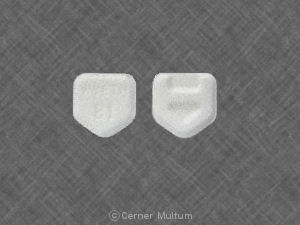
Ativan contains lorazepam, a molecule positioned across several overlapping pharmacological categories — anxiolytic, anticonvulsant, hypnotic, and muscle-relaxant — and is registered in 17 countries worldwide. The brand has a geographically scattered footprint rather than a single regional cluster, with marketing authorisation in markets as varied as Canada, India, Egypt, Australia, and Peru.
Lorazepam is used across a range of clinical situations, from the management of generalized anxiety disorder and acute anxiety or panic states to mania, certain seizure-related presentations including status epilepticus, and as a premedication for procedures such as endoscopy and bronchoscopy. The structured indication block below this introduction sets out the registered uses in detail; what matters at the level of this page is that the medication occupies several therapeutic roles rather than one.
For travellers and expatriates, the practical reality is that Ativan as a brand may or may not appear in any given country, but lorazepam itself is widely available internationally under a range of commercial names. Ireland, Hong Kong, Lebanon, New Zealand, and Pakistan are among the markets where Ativan is registered, and a pharmacist in any of these can usually confirm whether the local product on the shelf is the same molecule.
Medications in this broader pharmacological family are subject to controlled-substance regulation in many jurisdictions, which means prescription requirements, import rules for travellers, and even available brand names can differ markedly across borders. Other active ingredients within the same class also exist worldwide, although they are not interchangeable without medical guidance. Anyone carrying this medication across borders, or trying to identify a local equivalent, should treat the question as one for a healthcare provider rather than something to resolve at a pharmacy counter alone.
Shelf life
12 months
Incompatibilities
None known
List of excipients
Polyethylene glycol 400
Benzyl alcohol
Propylene glycol
Preclinical safety data
Nothing of relevance to the prescriber.
Pharmacodynamic properties
Ativan is a benzodiazepine with anxiolytic, sedative, hypnotic, anticonvulsant and muscle relaxant properties.
Pharmacokinetic properties
Ativan Injection is readily absorbed when given intramuscularly. Peak plasma concentrations occur approximately 60-90 minutes following intramuscular administration.
Ativan is metabolised by a simple one-step process to a pharmacologically inactive glucuronide. There is minimal risk of accumulation after repeated doses, giving a wide margin of safety.
There are no major active metabolites. The elimination half-life is about 12-16 hours when given intramuscularly or intravenously.
Date of revision of the text
05/2014
Marketing authorisation holder
Pfizer Limited
Ramsgate Road
Sandwich
Kent,
CT13 9NJ
United Kingdom
Special precautions for storage
Store and transport refrigerated (2°C to 8°C).
Keep ampoule in the outer carton.
Nature and contents of container
1ml solution in 2ml ampoules (Type I glass) with a one-point-cut opening, position marked by red spot in pack sizes of 10.
Marketing authorisation number(s)
PL 00057/1279
Special precautions for disposal and other handling
None.
Date of first authorisation/renewal of the authorisation
11 August 2011