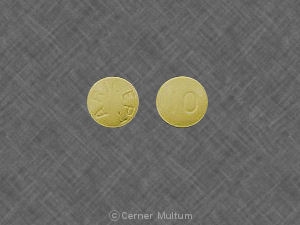
Marketed in 49 countries across Europe, North America, the Middle East, and the Asia-Pacific, Aricept is a globally distributed brand of donepezil, classified within the anticholinesterase group of psychoanaleptic medications. For an international reader, that wide footprint means the same medication is likely to surface under the same brand name — or as a donepezil-containing generic — in most regulated pharmaceutical markets a traveller or expatriate is likely to pass through.
Aricept is prescribed in the management of dementia, and the structured indication section further down this page lists the registered uses recognised by national regulators in each market where the brand is sold. Donepezil's role within this therapeutic area sits squarely inside the anticholinesterase class, a category of medication used in long-term cognitive care rather than acute symptomatic treatment.
Because dementia care typically involves continuous therapy, families relocating with an older relative, or patients travelling for extended periods, often need to confirm continuity of supply abroad. Markets where Aricept is registered include Canada, France, China, Australia, and Egypt, but local regulatory rules, packaging conventions, and prescription pathways vary considerably from one country to another. A pharmacist in the destination market is well placed to confirm whether the locally stocked product — Aricept itself or a donepezil generic — corresponds to what was prescribed at home.
Other medications in the anticholinesterase class are sold internationally under different molecules and brand names, and they are not freely interchangeable: each has its own clinical positioning within dementia care. Anyone taking Aricept, considering it, or looking for a regional equivalent should treat substitution as a clinical conversation, with a healthcare provider familiar with the patient's history leading the decision and a local pharmacist confirming what is actually available on the shelf.