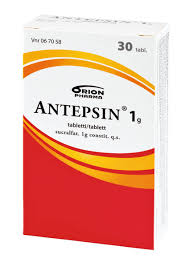
Antepsin contains sucralfate, a gastroprotective agent used in the management of acid-related disorders of the upper gastrointestinal tract. The medication sits within a category often described as antiulcer or mucosal-protective therapy, distinct from the acid-suppressing drugs that dominate much of modern reflux and ulcer treatment.
The indications associated with Antepsin include duodenal and stomach ulcers, gastritis, reflux and reflux esophagitis, heartburn, and stress-related mucosal conditions. Rather than reducing acid production, sucralfate-based products work locally at the mucosal surface, which is why they occupy a particular niche in gastroenterology that has persisted alongside more widely prescribed acid-suppression classes. The structured indication block further down this page sets out the registered uses recognised by national regulators in the markets where Antepsin is sold.
Antepsin is registered in ten countries, with a footprint that leans heavily toward Northern Europe and the British Isles — the United Kingdom, Ireland, Norway, Iceland, and Finland are all on the list, along with Italy, Malta, Denmark, Turkey, and Argentina. Travellers and expatriates moving between these markets will generally find the same brand, although packaging, prescription pathways, and formulary positioning can differ from one country to another.
Outside this cluster, sucralfate itself is available in many parts of the world under other brand names, and the broader gastroprotective and antiulcer categories are well-represented internationally under several different molecules. A local pharmacist can usually identify what is available regionally and whether a sucralfate-containing product can be obtained. Decisions about starting, continuing, or substituting Antepsin should be made together with a healthcare provider familiar with the patient's gastrointestinal history.